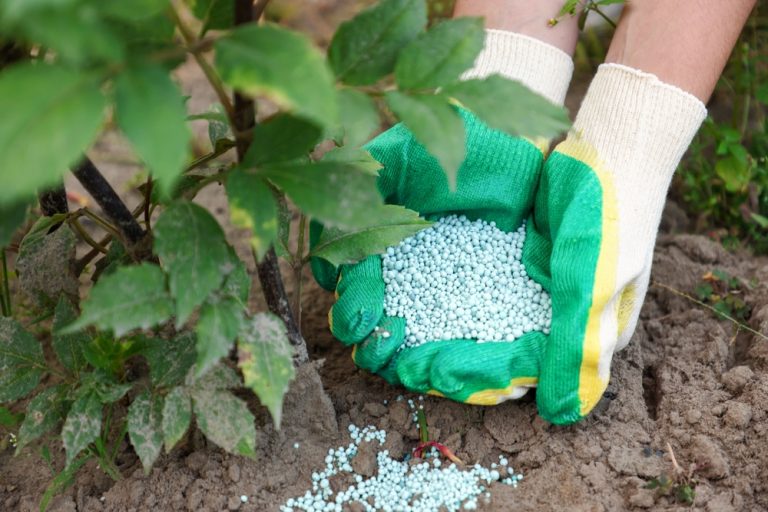
Fertilizer is like the garden equivalent of a helpful snack. A little boost seems harmless, especially when plants still look green and productive, but late-summer feeding can sometimes encourage exactly the kind of growth a plant does not need heading into cooler weather. For several common garden plants, August and early September mark the point…
roses
Garden Plants You Should Stop Fertilizing as Summer Ends
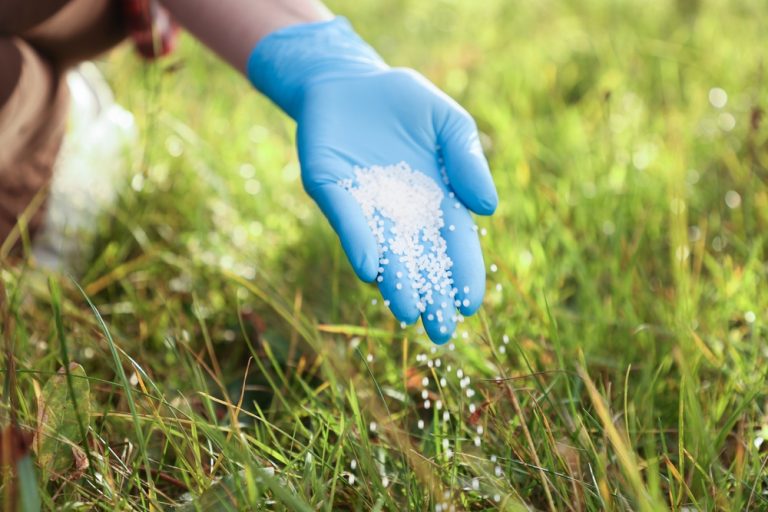
As summer starts running out of steam, your fertilizer routine deserves a second look. Continuing to feed certain garden plants simply because they still have green leaves can encourage tender new growth at exactly the wrong time, leaving plants less prepared for the cooler weather ahead. That does not mean every plant needs to go…
Why Are Gardeners Pairing Roses With Drought-Tolerant Grasses?
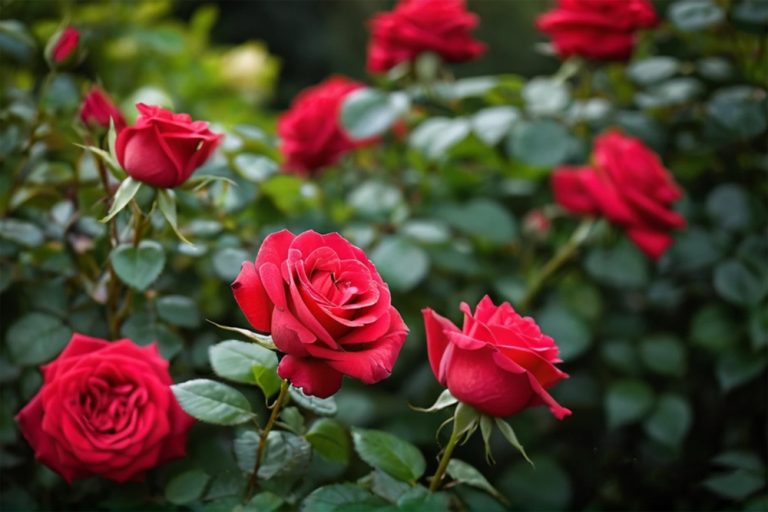
Roses bring the drama, and drought-tolerant grasses bring the cool confidence. Put them together, and a garden bed suddenly looks less like a collection of individual plants and more like a thoughtfully designed landscape, with lush flowers rising above ribbons of foliage that move when the breeze wanders through. There is a practical reason for…
Garden Pest Alert: Why Aphids Multiply Rapidly and How to Stop Them Early
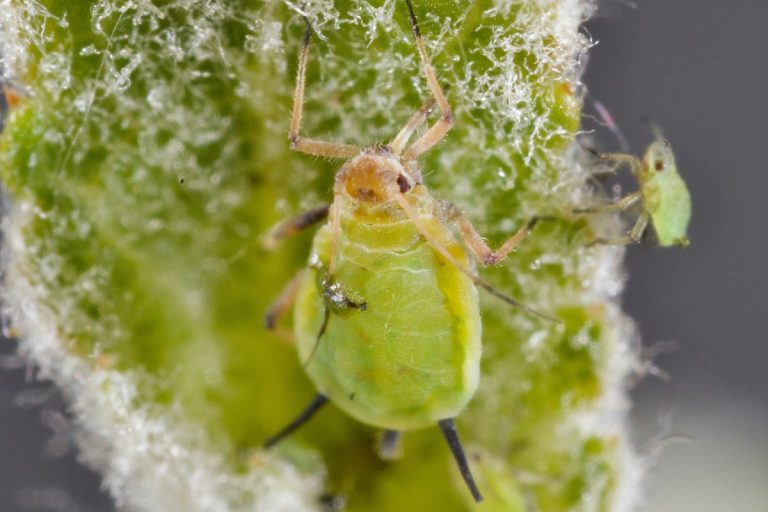
Aphids flourish and spread because they reproduce at an almost unbelievable speed that shocks many gardeners. Did you know that a single aphid can give birth to live young without mating? Plus, warm weather pushes their reproductive cycle into overdrive, especially during spring and early summer. Soft new plant growth gives them exactly what they…
Why Aphids Are Swarming Earlier Than Ever in the Southeast
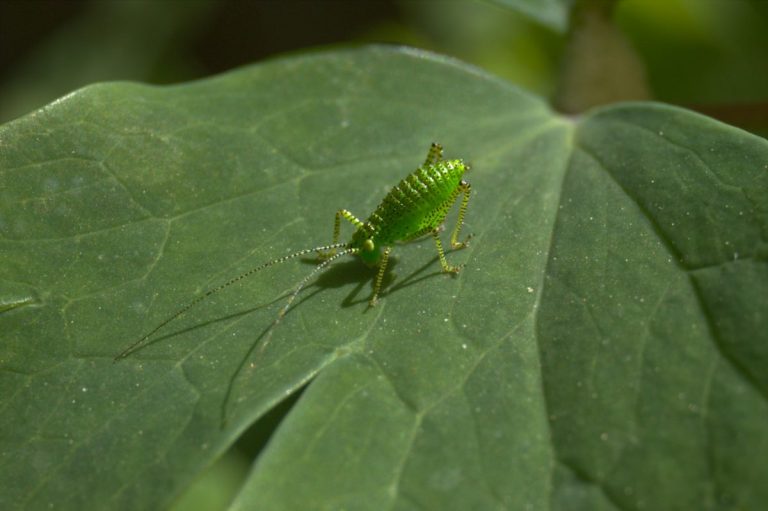
Aphids have not waited for summer to make their move this year. Gardeners across the Southeast have spotted clusters of tiny green, black, and even pink insects coating tender new growth weeks ahead of the usual schedule. The shift feels dramatic, but it follows patterns that scientists and extension agents have tracked for years. Warmer…
10 Plants Gardeners Should Always Protect Before It Snows
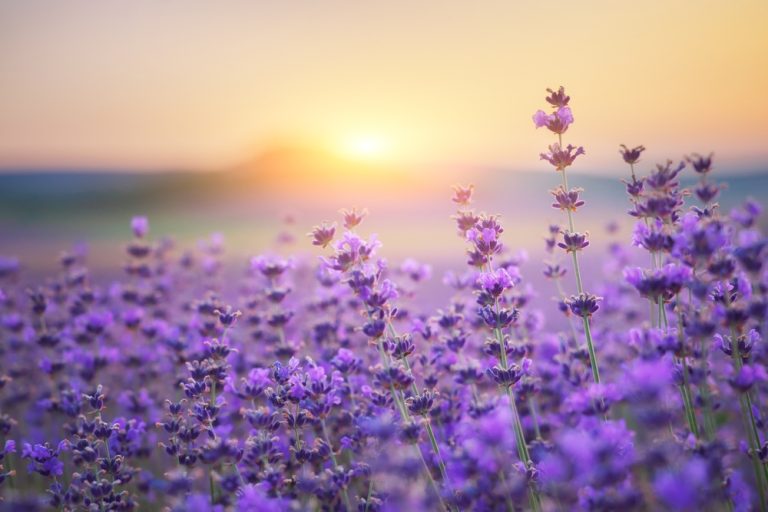
Winter is creeping closer, and that crisp edge in the air isn’t just a hint of snow—it’s a wake-up call for gardeners. Your garden may look peaceful now, but once frost and snow roll in, delicate leaves will blacken, stems will snap, and blooms will vanish if you’re not careful. Protecting the right plants before…
8 Flowers to Dry for Winter Bouquets
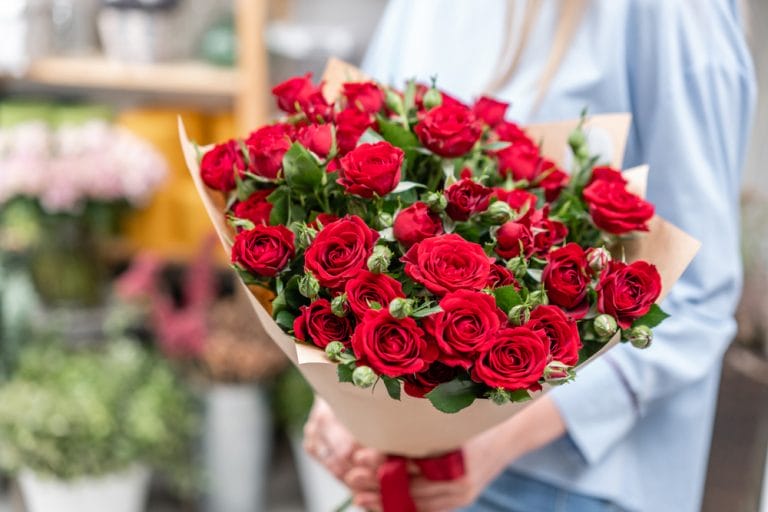
When the cold winds start blowing and frost nips at the garden, fresh blooms feel like a distant memory. But who says your winter home has to be devoid of floral cheer? Drying flowers is like hitting the pause button on summer and fall, preserving color, shape, and beauty long after the growing season ends….
10 Plants Deer Target More Often in Fall
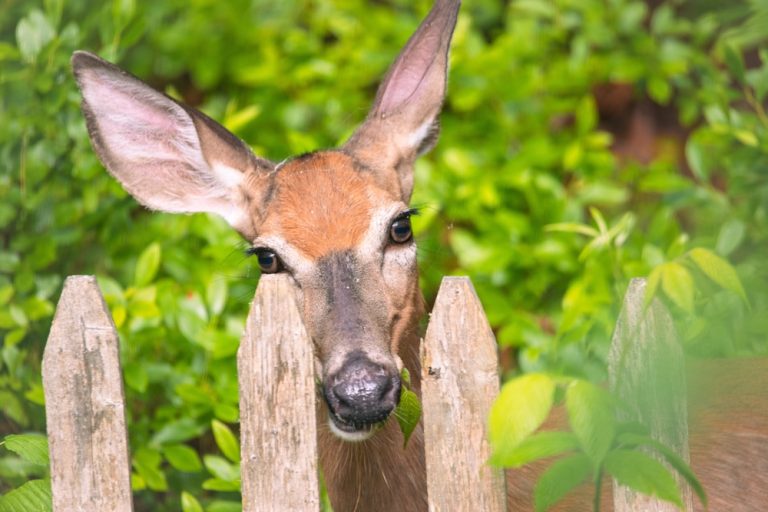
If you’ve ever stepped outside on a crisp autumn morning to admire your garden—only to find your prized plants chomped down to sad little stems—you’re not alone. Fall is deer season, and as the temperature drops, their appetites rise. These graceful grazers suddenly become relentless foragers, raiding gardens and landscapes in search of calorie-rich snacks…
7 Tricks for Keeping Roses Blooming Longer
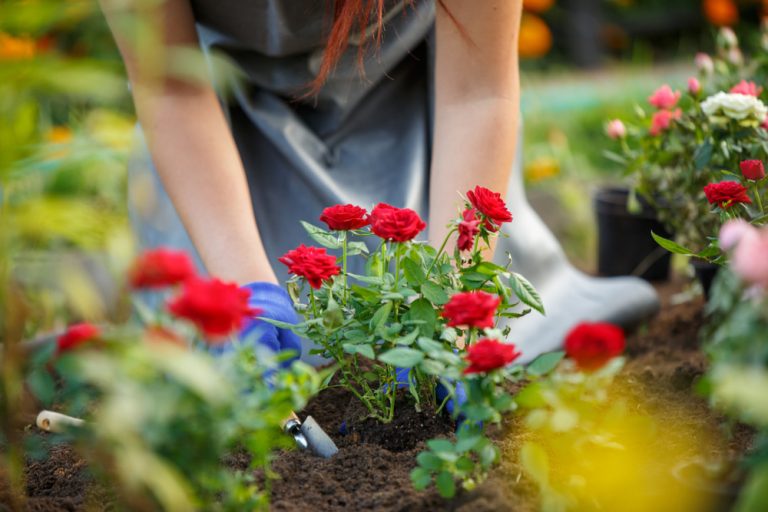
Roses are the centerpieces of many gardens, but without proper care their bloom period can be shortened. Whether you grow hybrid teas, climbers, or miniatures, the key to long-lasting blooms is timing, nutrition, and smart pruning. With a few simple tweaks, your rose bushes can keep producing vivid, fragrant flowers well into fall. Here are…
7 Garden Diseases That Spread Faster in Cool, Damp Weather
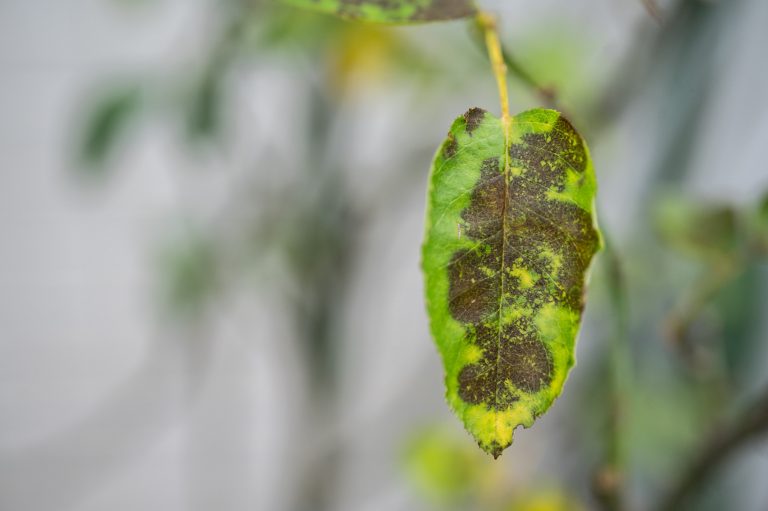
Cool, wet weather might be a reprieve after summer heat. But for your garden, it’s prime time for disease outbreaks. Moisture and lower temperatures create the optimal environment for fungal and bacterial infections to thrive. It doesn’t matter if your plants are healthy. When leaves stay wet for hours, every plant is susceptible. Knowing which…