A successful garden does not need a chemical arsenal to stay protected. The right plants can stand guard, release powerful scents, and send many common pests searching for an easier target. Instead of fighting nature at every turn, smart gardeners recruit it. Certain herbs and flowers contain compounds that insects simply dislike, and when these plants take their place among vegetables and ornamentals, they create a living shield that works around the clock.
Companion planting has deep roots in traditional gardening practices, and modern research continues to support many of its benefits. While no plant offers perfect, magical protection, strategic placement can significantly reduce pest pressure.
1. Basil: The Fragrant Defender of Tomatoes
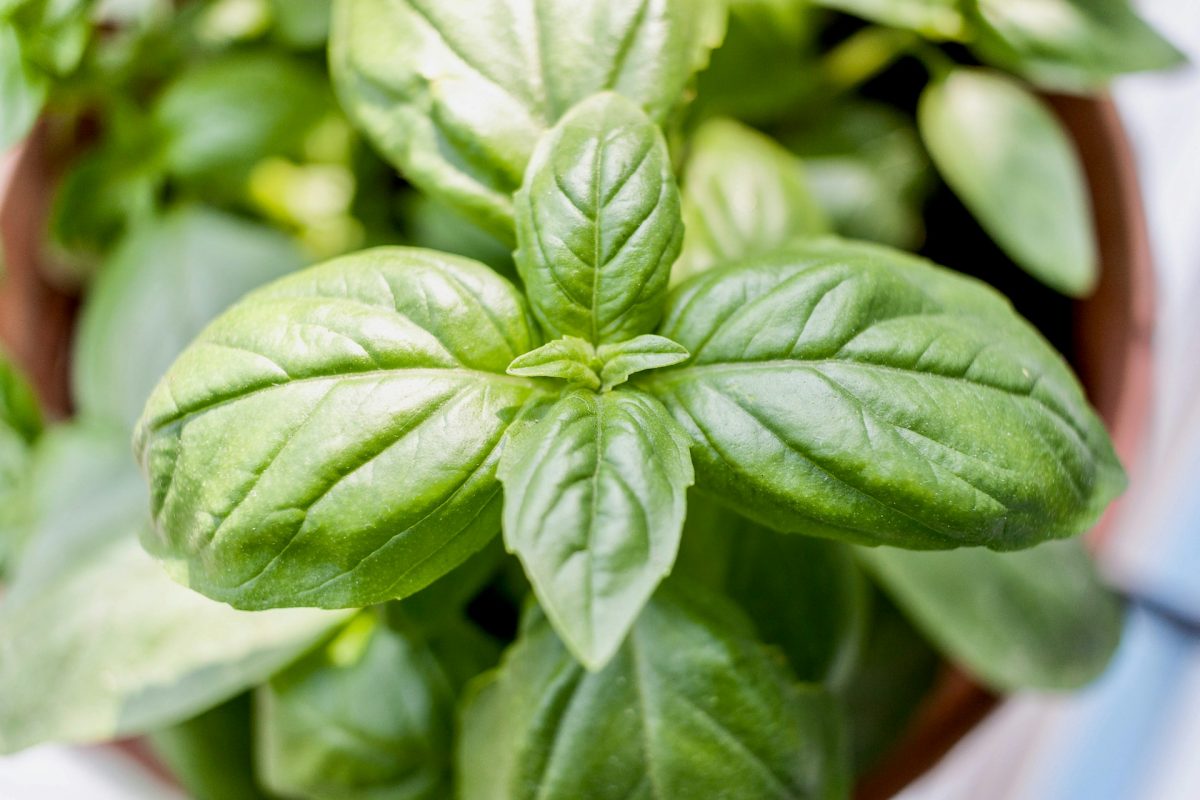
Basil brings more to the table than unforgettable flavor. This aromatic herb contains essential oils such as eugenol, linalool, and citronellol, which many insects find unpleasant. Gardeners often plant basil near tomatoes because its strong scent can help deter flies and mosquitoes, and some evidence suggests it may reduce thrips and other small insect activity around nearby crops.
Healthy basil thrives in warm weather with full sun and well-drained soil. Regular pinching encourages bushy growth, which increases leaf production and boosts the release of those potent oils. Placing basil in containers near entryways or patios can also help cut down on mosquito activity in seating areas. Consistent harvesting keeps the plant vigorous and productive while maintaining its pest-repelling strength.
2. Marigolds: Bright Blooms With a Hidden Punch
Marigolds do not just add cheerful bursts of gold and orange to garden beds. Certain varieties, particularly French marigolds, produce compounds in their roots that can suppress some species of root-knot nematodes in the soil. Their strong scent also discourages aphids, whiteflies, and even some beetles.
For best results, plant marigolds generously among vegetables rather than isolating them in one corner. Choose healthy transplants or start seeds indoors to give them a strong start. Deadheading spent blooms encourages continuous flowering, which keeps their scent present throughout the growing season. With minimal care, marigolds reward gardeners with long-lasting color and practical protection.
3. Lavender: A Calm Beauty That Mosquitoes Avoid
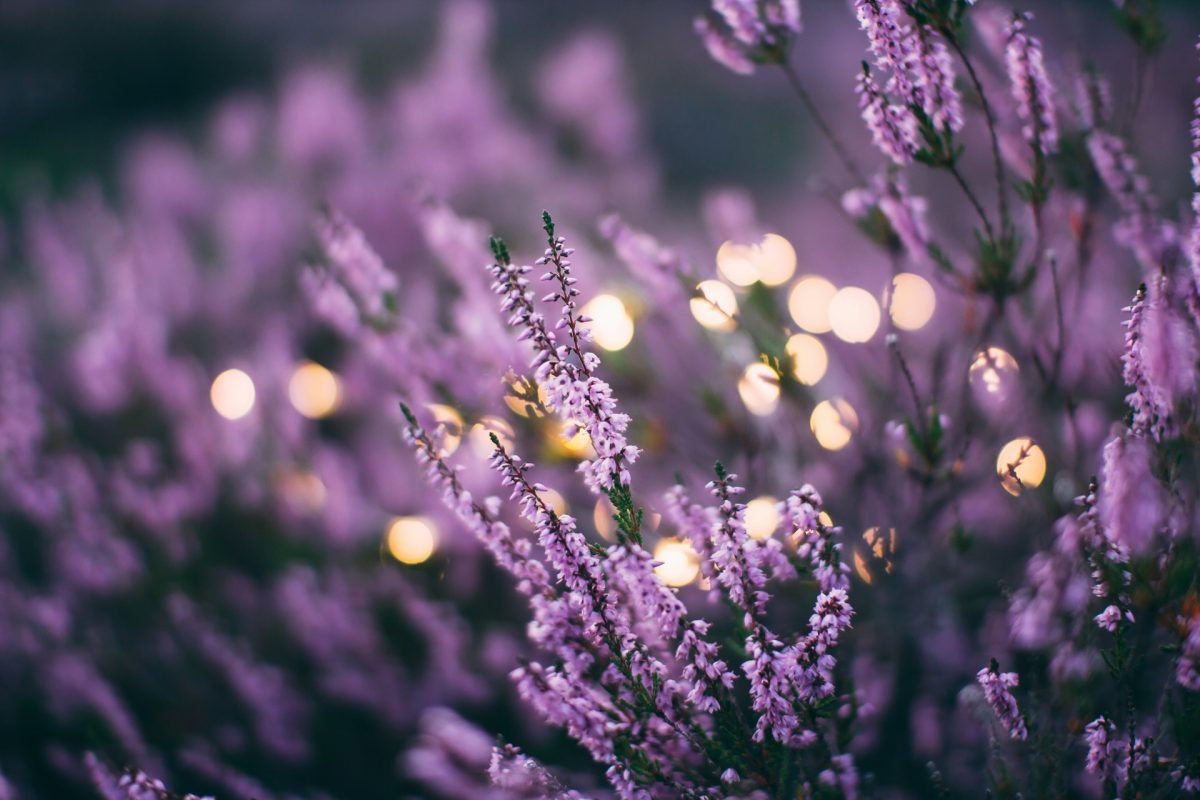
Lavender commands attention with its silvery foliage and soothing fragrance, yet mosquitoes, moths, and fleas tend to steer clear of its aroma. The plant produces essential oils rich in linalool and camphor, compounds that many insects dislike. That makes lavender a smart addition near patios, walkways, and doorways where people gather.
Lavender demands full sun and excellent drainage, and it prefers slightly alkaline soil. Overwatering weakens the plant and reduces oil concentration, so restraint benefits both plant health and pest control. Pruning after flowering maintains a tidy shape and encourages new growth. When placed thoughtfully, lavender delivers both elegance and function without demanding constant attention.
4. Rosemary: Tough, Woody, and Unwelcome to Many Insects
Rosemary offers a bold scent that elevates roasted vegetables and grilled meats, yet many insects find that same aroma overwhelming. The plant’s needle-like leaves contain oils that can help deter mosquitoes, cabbage moths, and carrot flies. Its woody structure also adds year-round structure in mild climates.
Rosemary thrives in full sun with well-drained soil and tolerates drought once established. Avoid heavy, wet soil that can cause root problems. Pruning encourages dense growth, which increases the release of fragrant oils. Plant rosemary near vegetable beds or in containers that can move closer to seating areas during peak mosquito season.
5. Mint: The Spreading Scent That Bugs Dislike
Mint grows with enthusiasm and releases a strong menthol scent that ants, mosquitoes, and even rodents tend to avoid. Peppermint and spearmint both contain menthol and related compounds that create an intense aroma. Crushing a leaf between fingers makes it clear why insects hesitate to linger.
Because mint spreads aggressively through underground runners, containers offer the best way to control its growth. Place pots near doorways, patios, or vulnerable plants to create a scented barrier. Regular trimming keeps plants compact and prevents flowering, which can reduce leaf production. With thoughtful placement, mint serves as a reliable deterrent without taking over the garden.
6. Chrysanthemums: Natural Insect Fighters in Bloom
Chrysanthemums contain pyrethrins, natural compounds that affect the nervous systems of many insects. Commercial insecticides often derive from these very compounds, though garden varieties contain them in lower concentrations. Even so, planting chrysanthemums can help discourage ants, roaches, ticks, and certain beetles.
Full sun and well-drained soil keep chrysanthemums healthy and blooming. Pinching back growth early in the season encourages bushier plants with more flowers. While chrysanthemums alone will not eliminate infestations, they contribute another layer of defense when combined with other deterrent plants. Their vibrant blooms also extend color into late summer and fall.
7. Catnip: A Magnet for Cats, a Repellent for Mosquitoes
Catnip belongs to the mint family and contains nepetalactone, a compound that research shows can repel mosquitoes effectively. While cats may roll ecstatically in its leaves, many insects keep their distance. That dual personality makes catnip both entertaining and practical in the right setting.
Like mint, catnip spreads easily, so containers help maintain control. Plant it in sunny spots with well-drained soil and trim regularly to prevent excessive seeding. Position containers near seating areas or along garden edges where mosquito pressure runs high. Catnip adds soft foliage and subtle flowers while contributing to a more comfortable outdoor space.
8. Garlic: Pungent Bulbs With Protective Power
Garlic brings serious flavor to the kitchen, yet its sulfur-containing compounds also make it unappealing to many insects. Aphids, spider mites, and Japanese beetles often avoid areas with a strong garlic presence. Some gardeners even create homemade garlic sprays by steeping crushed cloves in water to apply directly to plant foliage.
Plant garlic cloves in well-drained soil with full sun exposure, spacing them adequately to promote strong bulb development. Interplant garlic among roses or vegetables to distribute its scent throughout the bed. Harvesting at the right time, once the lower leaves brown but before the entire plant dries out, ensures flavorful bulbs and continued garden benefits. Garlic proves that a humble kitchen staple can double as a strategic ally.
Let the Garden Do the Guarding
A garden that blends beauty, flavor, and function feels alive in the best possible way. These eight plants do more than decorate beds or fill dinner plates; they contribute to a balanced ecosystem that discourages many common pests. Strategic placement, healthy soil, and consistent care amplify their effectiveness and reduce reliance on synthetic treatments.
No single plant will eliminate every insect, and no garden will ever remain completely pest-free. However, layering several natural deterrents creates a resilient landscape that stands stronger against unwanted visitors.
Which of these protective plants will claim a spot in your next garden plan? Give us your thoughts in the comments section below.
You May Also Like…
These 7 Plants Are Now Illegal in Multiple States — Gardeners Are Getting Fined
Top 9 Common Plant Pests and How To Control Them
Fire Departments Say These Common Garden Tool Storage Habits Is Causing Accidents
Why Gardeners Are Burying This Common Pantry Item Under Their Plants — And What It Actually Does
The Watering Habit That’s Quietly Killing Your Plants (Experts Are Begging Gardeners to Stop)

Brandon Marcus is a staff writer for FrugalGardening.com at District Media, Inc., where he delivers practical gardening advice with a relatable, no-nonsense style. An avid amateur gardener, he holds a BA degree and with over ten years of professional writing experience, he is also an award-winning published author whose first book, Questions For Deep Thinkers, was released by Adams Media. His work has appeared in major publications including Fandom.com, CHUD.com, TheColdWire.com, and Fansided.com.
Leave a Reply