
One stubborn ant marching across the kitchen counter can spark a full-blown war. Most people reach for a pricey chemical spray without thinking twice, but a better solution sits quietly in the cabinet, costs almost nothing, and works shockingly well.
A powerful DIY pest spray does not require a chemistry degree or a trip to a specialty store. It relies on simple ingredients that disrupt how insects navigate, breathe, and communicate. When mixed correctly and applied with intention, it handles common household pests without filling the air with harsh fumes or draining a wallet.
The Science Behind a Simple Spray
Insects survive by following scent trails and detecting chemical signals in their environment. Ants, for example, leave pheromone trails that guide the rest of the colony straight to a food source. When a strong acidic substance like white vinegar hits that trail, it breaks down those scent markers and throws the entire operation into chaos.
Vinegar contains acetic acid, which disrupts scent trails and irritates certain insects. While vinegar does not kill every bug on contact, it makes surfaces far less attractive and erases the invisible maps that ants rely on. That fact alone explains why wiping counters with vinegar often stops an ant invasion in its tracks.
Dish soap plays a different but equally important role. Soap breaks down the waxy outer layer on many insects, including ants and flies. Once that protective layer dissolves, insects lose moisture rapidly and cannot survive long. A small amount of liquid dish soap in water creates a solution that kills soft-bodied insects on contact without leaving toxic residue behind.
Essential oils like peppermint and eucalyptus add another layer of defense. Research shows that peppermint oil can repel ants, spiders, and even some types of beetles because its strong scent overwhelms their sensory systems. A few drops go a long way, and the fresh smell beats the harsh odor of synthetic sprays every time.
The Recipe That Costs Almost Nothing
A truly effective DIY pest spray does not require exotic ingredients. It requires consistency and proper mixing. Start with one cup of white distilled vinegar. Add one cup of water to dilute the acidity slightly while still preserving its trail-disrupting power. Mix in one to two teaspoons of liquid dish soap. Stir gently to avoid creating excessive foam. For an extra repellent boost, add 10 to 15 drops of peppermint essential oil.
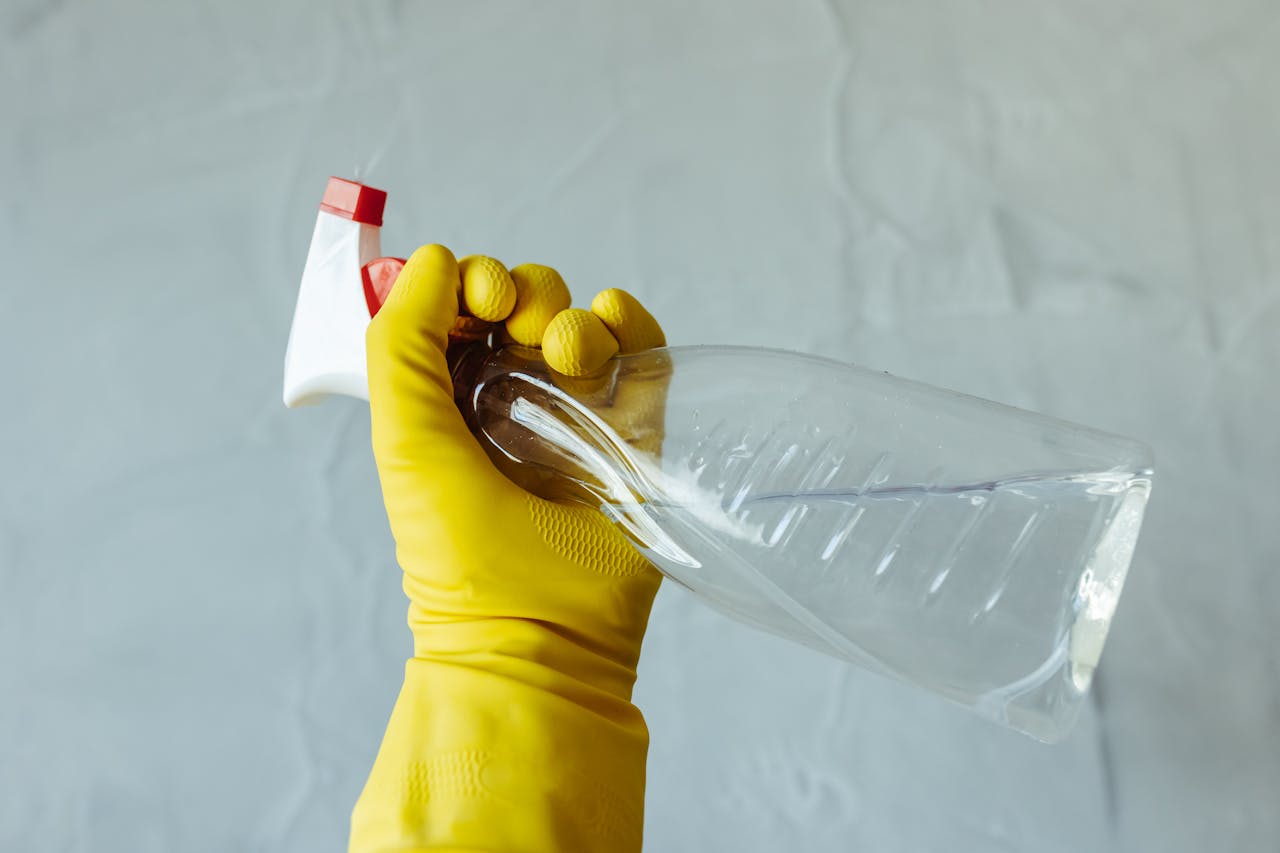
Pour the mixture into a clean spray bottle and shake lightly before each use to keep the ingredients blended. This solution works best when sprayed directly onto insects or onto surfaces where activity appears. Focus on baseboards, entry points, windowsills, and cracks where ants and spiders tend to travel.
This entire batch costs only a few cents per use, especially when purchased in bulk. A gallon of vinegar stretches through dozens of refills, and a single bottle of essential oil lasts months. Compared to commercial sprays that cost several dollars per can, this homemade option barely makes a dent in the grocery budget.
Where to Spray and Why It Matters
Application matters just as much as ingredients. Spraying randomly across a room wastes effort and leaves sticky residue behind. Instead, target high-traffic zones where pests enter or search for food.
Start with entry points. Inspect door frames, window edges, and small foundation cracks. Spray lightly along those seams to create a barrier that repels ants and other crawling insects. Reapply every few days, especially after cleaning or heavy rain, since moisture can wash away residue.
Kitchens demand special attention. Wipe counters with the spray after food preparation to eliminate scent trails. Focus on areas behind appliances where crumbs collect. Bathrooms also benefit from light spraying around sinks and tubs, since moisture attracts insects.
Outdoor use requires caution. Vinegar can damage some plants if sprayed directly on leaves, so avoid garden beds and lawns. Stick to hard surfaces like patio edges or garage floors when using this mixture outside.
What This Spray Can and Cannot Do
Honesty matters in pest control. This DIY spray works beautifully for ants, fruit flies, and many small crawling insects. It disrupts trails, kills soft-bodied pests on contact, and discourages future traffic when applied consistently.
However, this mixture will not solve a large roach infestation or eliminate a termite colony. Cockroaches have tougher exoskeletons and often require specialized bait systems. Termites demand professional treatment because they live deep inside wood structures. Anyone dealing with a serious infestation should contact a licensed pest control expert instead of relying solely on home remedies.
Mosquito control also requires a different approach. While peppermint oil can deter mosquitoes in small areas, standing water removal and proper screening provide far more effective prevention. Smart pest management combines prevention, sanitation, and targeted solutions rather than relying on one miracle spray.
Prevention: The Real Secret Weapon
Spray alone never wins the battle if crumbs sit on the counter and trash overflows. Good housekeeping cuts off the food supply that attracts pests in the first place. Store dry goods in sealed containers. Wipe spills immediately. Take trash out regularly and clean the bin with hot, soapy water. Fix leaky faucets to reduce moisture that draws insects inside. These small habits reduce pest pressure dramatically.
Sealing cracks with caulk adds another powerful layer of defense. Insects often enter through gaps around pipes, baseboards, or windows. A simple tube of caulk closes those highways permanently and costs far less than repeated exterminator visits.
Essential oils can also work proactively. Cotton balls soaked in peppermint oil placed near entry points help deter spiders and ants without constant spraying. Replace them every week or two to maintain a strong scent.
Safety and Smart Use
Even natural ingredients require thoughtful handling. Vinegar can irritate eyes and sensitive skin, so avoid direct contact and keep the spray away from children and pets. Store the bottle clearly labeled and out of reach. Never mix vinegar with bleach or ammonia-based cleaners. That combination releases harmful gases that can cause serious respiratory irritation. Stick with simple ingredients and avoid complicated chemical blends.
Test the spray on a small hidden area before applying it to delicate surfaces like natural stone. Vinegar can dull marble or granite over time because of its acidity. A quick spot test prevents unwanted damage.
Regular cleaning prevents buildup. Wipe down sprayed surfaces after heavy application to avoid sticky residue from soap. That small step keeps counters shiny and floors safe.
A Tiny Bottle With Big Impact
A cheap spray bottle filled with vinegar, water, dish soap, and a few drops of essential oil might not look impressive, yet it delivers real results when used correctly. It disrupts insect communication, kills certain pests on contact, and reduces reliance on stronger chemicals. It encourages smarter cleaning habits and sharper attention to entry points.
Simple solutions often outperform flashy products when paired with consistency and common sense. A few minutes of mixing and targeted spraying can restore peace to a kitchen or bathroom without overwhelming the senses or the budget.
What other low-cost home fixes deserve a permanent spot under your sink? If you have some helpful pest control tricks, now is the time to share them in our comments section.
You May Also Like…
Why Pests Overwinter in Untended Garden Beds
Are You Poisoning Your Garden? 6 Organic Pest Control Methods That Work
How to Stop Mold and Fungus Before They Harm New Growth
The Free Fertilizer Most Gardeners Throw Away
NC State Agriculture Officials Issue New Alert About an Invasive Pest Moving Into Backyards

Brandon Marcus is a staff writer for FrugalGardening.com at District Media, Inc., where he delivers practical gardening advice with a relatable, no-nonsense style. An avid amateur gardener, he holds a BA degree and with over ten years of professional writing experience, he is also an award-winning published author whose first book, Questions For Deep Thinkers, was released by Adams Media. His work has appeared in major publications including Fandom.com, CHUD.com, TheColdWire.com, and Fansided.com.
Leave a Reply