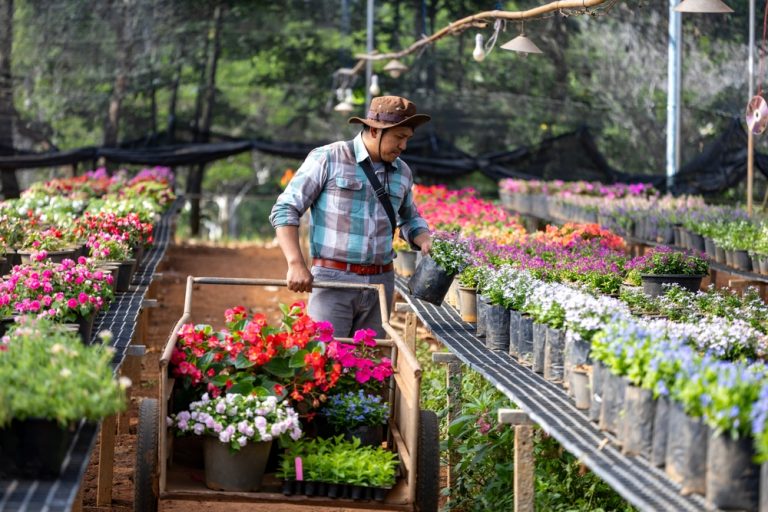
Garden shopping has a funny habit of making the most expensive items look irresistible right when they are least urgent. Once spring and early summer demand fades, however, many garden centers and retailers need to move seasonal inventory, which can create much better opportunities for careful shoppers. That shift makes late summer and early fall…
gardening tips
Understanding Low-Cost Ways to Protect Fall Seedlings From Wildlife
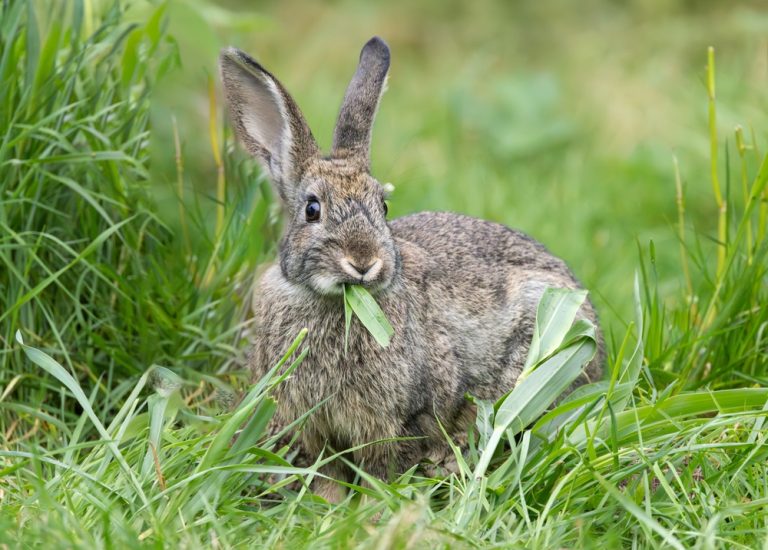
Fall offers a wonderful window for planting seedlings, but the garden buffet can look even more appealing to wildlife once summer food sources disappear. Young vegetables, herbs, flowers, and newly planted trees often present tender stems and leaves that rabbits, deer, squirrels, voles, and other hungry visitors can find remarkably convenient. Thankfully, protecting those plants…
7 Herbs That Keep Producing After Summer Vegetables Slow Down
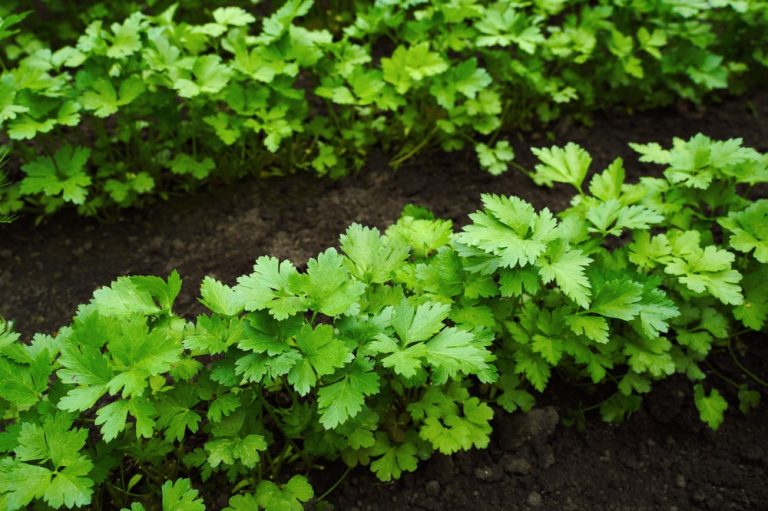
The tomatoes are slowing down, the pepper plants look increasingly tired, and the zucchini has finally stopped behaving like it owns the neighborhood. Herbs, meanwhile, often keep sending out fresh leaves long after the summer vegetable garden starts calling it a season. That makes herbs some of the most useful plants to keep around when…
His HOA Said “Flowers Only.” This Gardener Took the Rule Very Literally
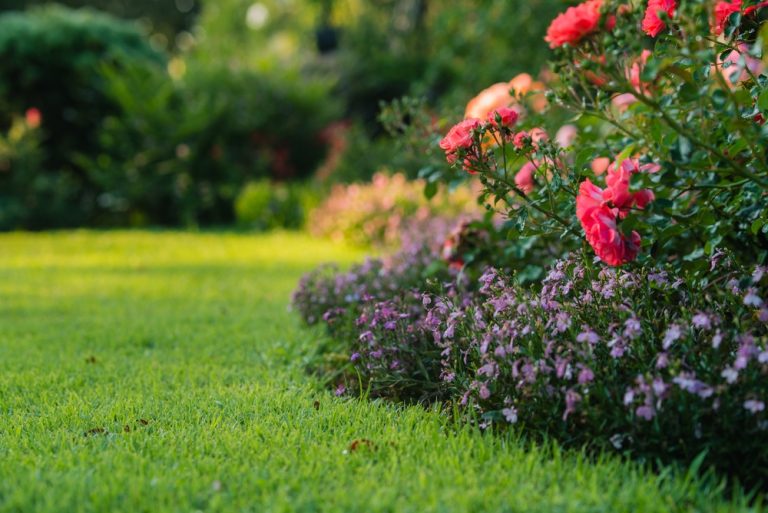
An HOA said “flowers only,” and one gardener decided to treat those two words less like a suggestion and more like a gardening challenge. Instead of arguing over what belonged in the yard, the gardener leaned into the wording and turned the restriction itself into the punchline. That approach makes for a funny garden story,…
Before You Let the Kids Pick Those Berries, Make Sure They Aren’t One of These Plants
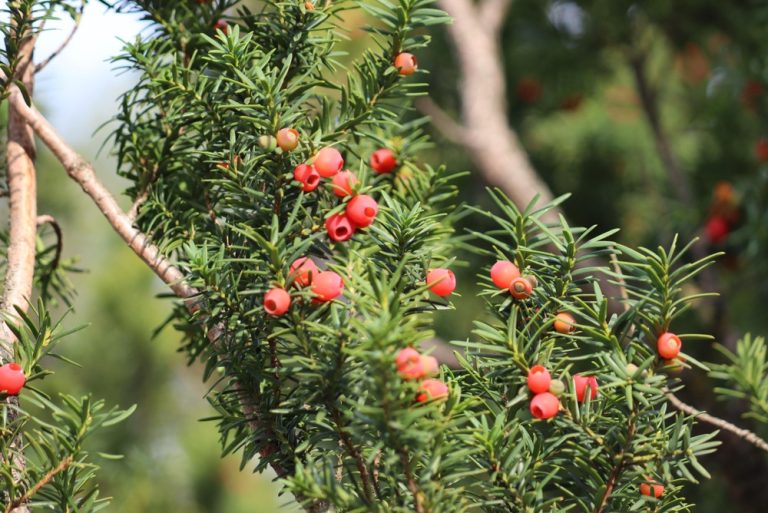
A backyard full of colorful berries can look like nature’s candy aisle, especially to a child who spots a shiny red or purple cluster hanging at exactly eye level. That makes berry season a great time to teach children one simple rule: pretty does not mean edible, and nobody should pick a berry for a…
How to Shade a Vegetable Garden Without Buying Expensive Structures
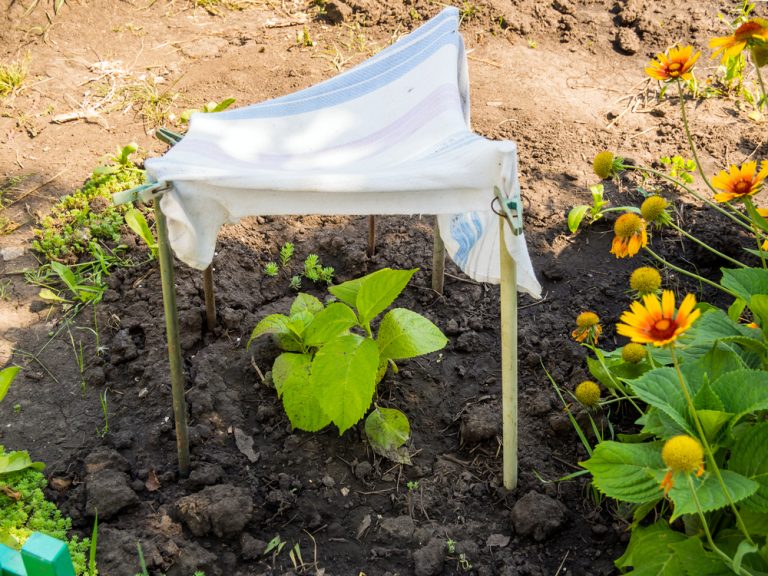
A vegetable garden does not need an elaborate pergola, pricey greenhouse kit, or backyard construction project to get a break from brutal summer sun. A few inexpensive materials, some strategic positioning, and a little garden ingenuity can create useful shade when heat starts stressing lettuce, spinach, young seedlings, and other vegetables that prefer cooler conditions….
6 Ways to Save Seeds Without Ruining Next Year’s Germination
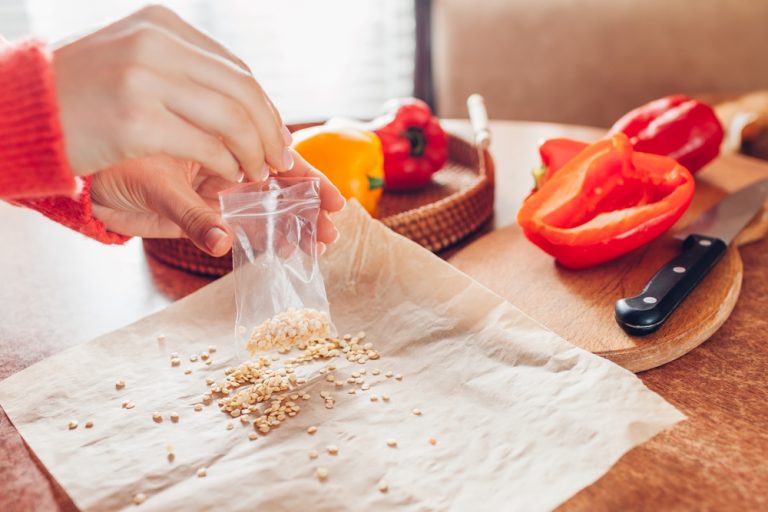
Saving seeds sounds wonderfully simple: let a plant make seeds, scoop them up, put them somewhere safe, and plant them next year. Unfortunately, seeds can act like tiny divas when gardeners give them the wrong treatment, especially when moisture, heat, immature seeds, or poor storage enter the picture. A little care at harvest time can…
Ordered Seeds on Amazon? You May Not Know What You’re Actually Planting

Ordering seeds online feels wonderfully simple. A few taps, a colorful photograph of an enormous flower, and suddenly the garden has a new botanical adventure on the way. The trouble starts when that photograph shows a plant that cannot actually exist, or when the packet contains seeds that have little connection to the variety advertised….
A Closer Look at Garden Supplies Worth Buying at End-of-Season Clearance
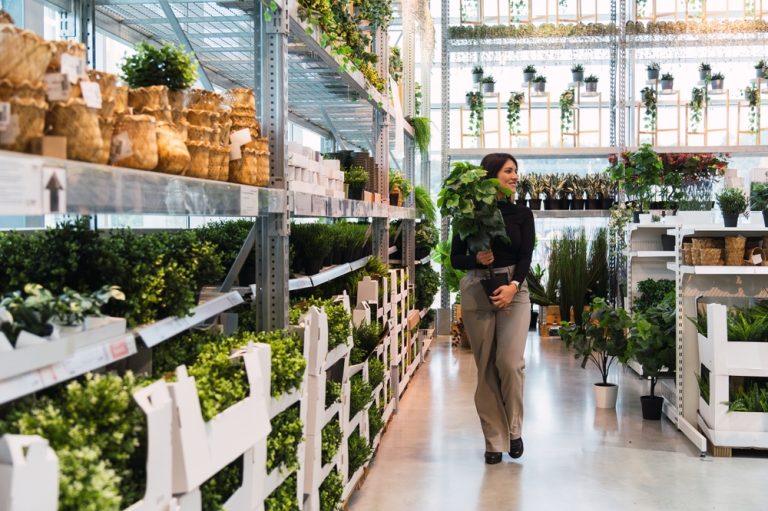
End-of-season garden clearance can turn a routine trip past the garden center into a surprisingly productive treasure hunt. As retailers make room for fall merchandise, gardeners can find useful tools, containers, trellises, soil amendments, and other supplies marked down simply because the calendar changed. That does not mean every lonely bag or battered package deserves…
Snakes in the Garden Aren’t Always Bad — Here’s When You Should Be Concerned
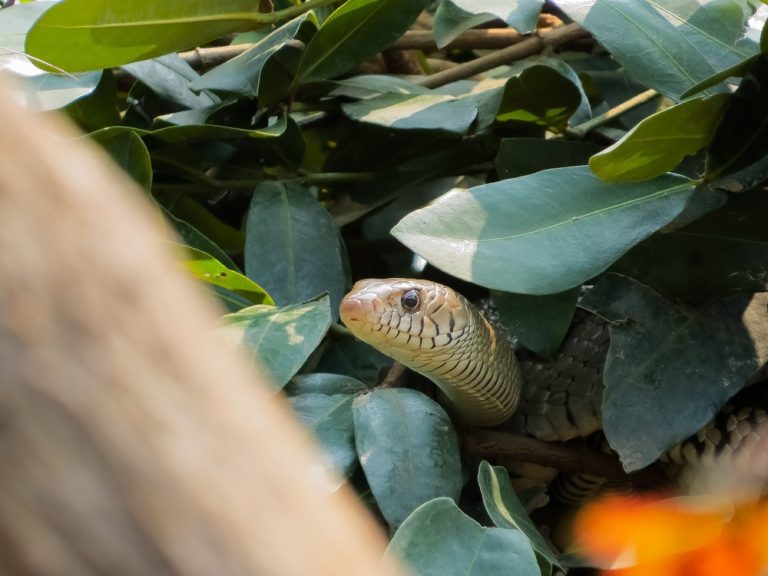
A snake sliding through the garden can turn a peaceful morning of tomato picking into a full-blown staring contest. But before grabbing a shovel or sprinting for the shed, take a breath: many snakes provide useful pest control by eating mice, voles, insects, frogs, and other small animals. In fact, some gardeners have a perfectly…