Spring gardens often steal the spotlight, but the real stars quietly build their legacy year after year beneath the soil. Some plants don’t just survive winter—they come back with more energy, fuller blooms, and even bolder color without demanding constant attention. These garden champions reward patience, shrug off neglect, and turn ordinary beds into lush, thriving displays that feel almost unfairly easy.
The secret lies in choosing perennials that thrive on resilience rather than constant intervention. Once established, they settle in like old friends who need little introduction but always bring something beautiful to the table. With the right selection, a garden transforms into a self-sustaining system that grows more impressive each season.
1. Hostas That Build Bold, Leafy Crowns Year After Year
Hostas bring drama to shady spaces with broad leaves that unfurl like living sculpture every spring. These perennials expand their clumps steadily, creating richer texture and deeper color contrast with each passing season. Even neglected corners of a yard suddenly feel intentional when hostas settle in.
Mature plants grow stronger root systems that help them shrug off drought spells and temperature swings. Gardeners often divide older clumps to multiply their impact without buying new plants. Once established, hostas deliver a dependable burst of lush greenery that returns with surprising vigor each year.
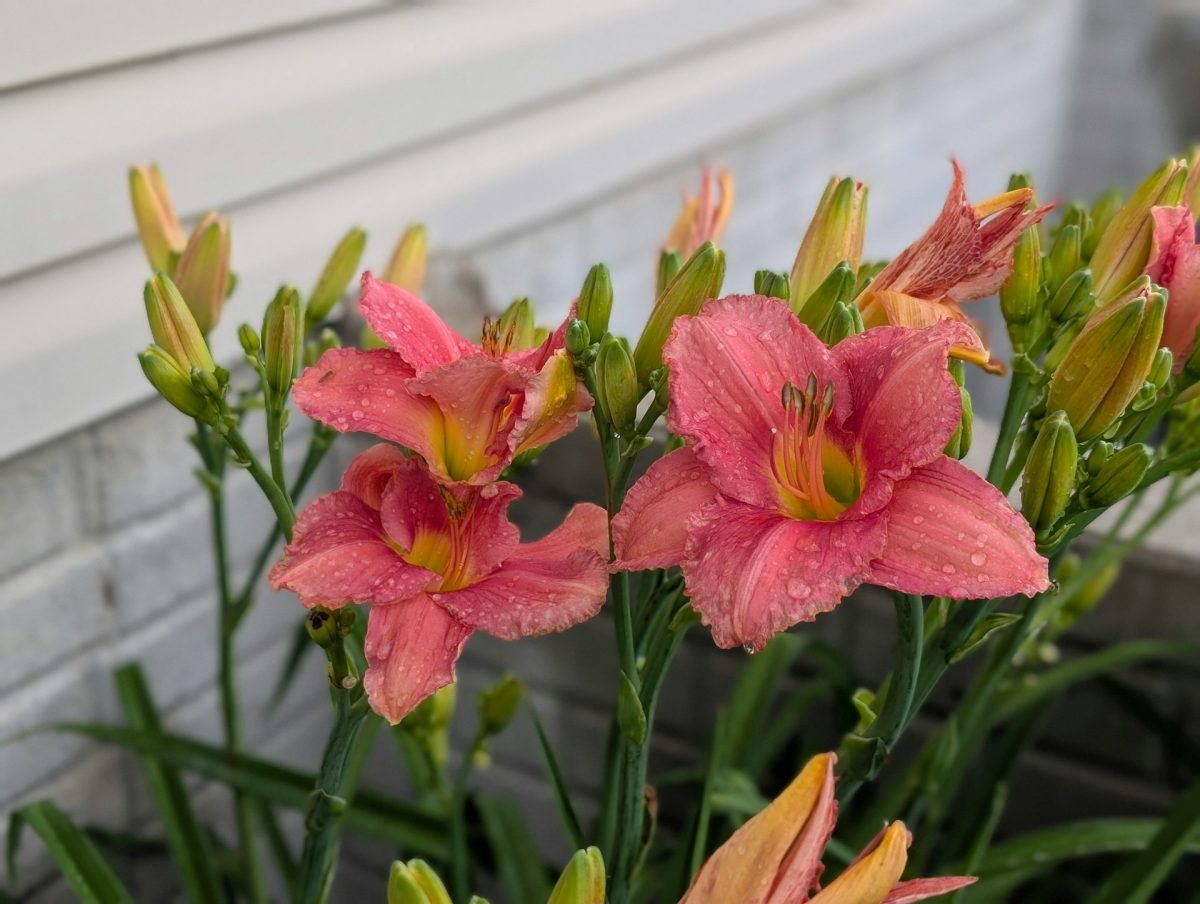
2. Daylilies That Laugh at Tough Conditions and Still Bloom Big
Daylilies thrive in conditions where more delicate flowers hesitate, and they reward that toughness with nonstop blooms. Each plant sends up fresh flower stalks that open daily during peak season, creating a steady show of color. Their adaptability makes them a favorite for problem areas in the garden.
Established clumps expand underground, forming dense clusters that produce even more flower spikes over time. These perennials handle drought, heat, and poor soil without losing their cheerful energy. Garden beds filled with daylilies often become brighter and fuller with almost no added effort.
3. Coneflowers That Attract Pollinators and Multiply Naturally
Coneflowers bring wild beauty to gardens with daisy-like petals and bold central cones that stand tall through summer heat. Bees and butterflies flock to them, turning any garden into a buzzing ecosystem of life. Their upright form keeps borders looking structured even in informal plantings.
Once settled, coneflowers self-seed gently, filling gaps with new growth that strengthens the overall display. Their deep roots help them survive dry spells that would stress other flowering plants. Each season builds a stronger, more vibrant colony of blooms that feels effortlessly abundant.
4. Black-Eyed Susans That Spread Sunshine Across the Garden
Black-eyed Susans deliver bright golden petals that light up landscapes like permanent sunshine. These hardy perennials spread steadily, filling open spaces with cheerful clusters that require little care. Their long bloom season keeps gardens lively from mid-summer well into fall.
Established plants become more prolific each year, sending up thicker stands of flowers that resist pests and drought. They thrive in a wide range of soil types, making them incredibly versatile for home gardens. Over time, their spreading habit transforms simple beds into glowing fields of gold.
5. Peonies That Turn Into Heirloom-Like Garden Anchors
Peonies bring elegance and fragrance that make them feel almost luxurious in any garden setting. Once planted, they settle in for decades, often outliving the gardeners who first placed them. Their large blooms return every spring with increasing fullness and dramatic presence.
Older plants produce more flower stems, creating heavier, more impressive blooms over time. Strong root systems help peonies withstand cold winters without losing their energy. With patience, these perennials become timeless garden centerpieces that grow more magnificent each year.
6. Sedum That Thrives on Neglect and Still Delivers Color
Sedum, often called stonecrop, thrives where other plants struggle, especially in dry or rocky soil. Its thick, succulent leaves store water efficiently, allowing it to survive long dry periods. Late-season blooms add color when most other plants fade out.
As sedum matures, it forms dense mats or upright clusters that become more resilient over time. Pollinators rely on its late blooms when food sources grow scarce. Gardens gain structure and color stability with almost no maintenance required.
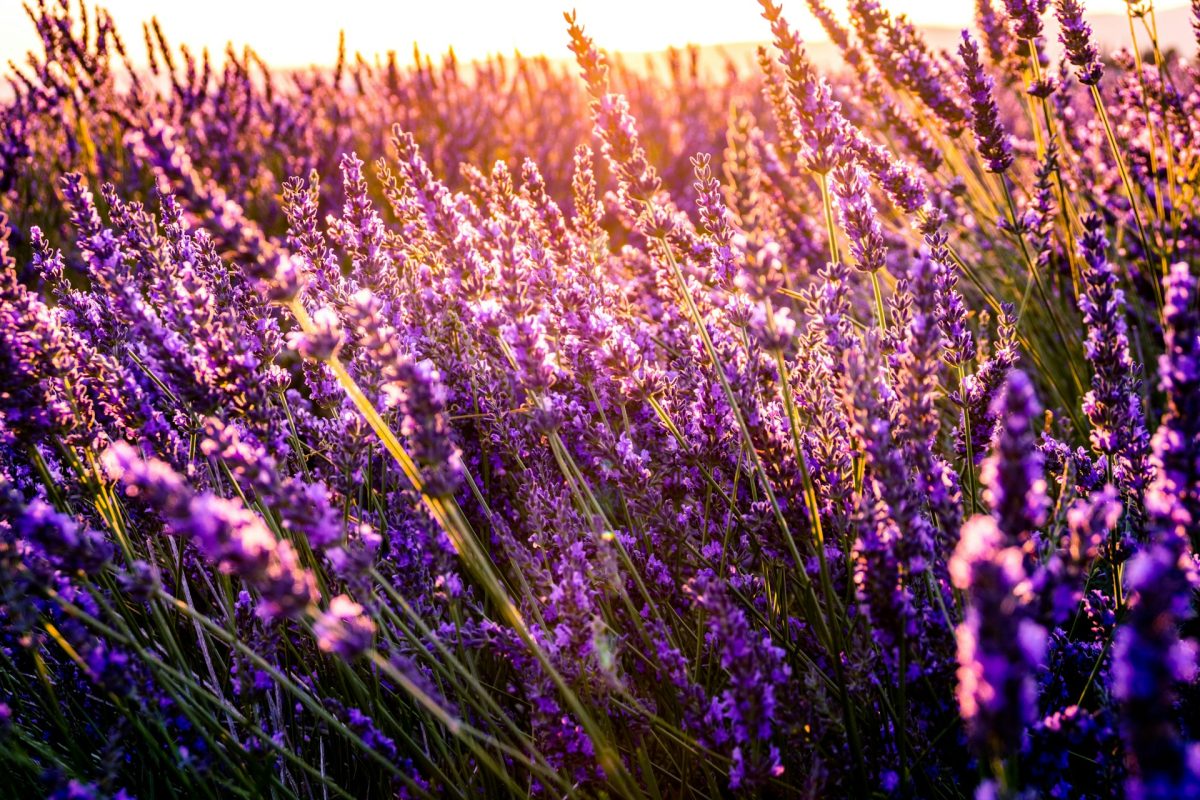
7. Lavender That Strengthens Fragrance and Form Each Season
Lavender fills gardens with calming fragrance and silvery foliage that holds up beautifully in hot, dry conditions. Its woody stems grow stronger with age, giving the plant a more defined and structured appearance. Bees adore it, making it both beautiful and ecologically valuable.
Established lavender plants produce more abundant blooms each year when pruned correctly after flowering. Their deep roots anchor them firmly, allowing them to thrive in lean soil. Over time, lavender transforms garden edges into fragrant, low-maintenance borders that feel effortlessly refined.
Behind Low-Effort, High-Reward Perennial Gardens
These seven perennials succeed because they invest energy underground before showing off above the soil. Strong root systems drive their long-term resilience and increase productivity. Gardeners who choose these plants reduce yearly planting stress while increasing seasonal rewards.
Time works in favor of these plants rather than against them, which creates a garden that improves without constant replanting. Each season builds momentum as roots deepen, spreads expand, and blooms multiply. Smart selection turns gardening from a chore into a long-term investment that keeps paying back in beauty.
What perennial has surprised the garden most with its comeback power year after year? Share thoughts in the comments below.
You May Also Like…
How to Revive Dying Perennials
9 Perennials You Should Leave Standing Until Spring and Why
6 Perennials That Thrive When Planted Early on a Budget
Why Perennial Beds Benefit From Extra Mulch Now
Why Mulching Too Early Can Damage Perennials

Brandon Marcus is a staff writer for FrugalGardening.com at District Media, Inc., where he delivers practical gardening advice with a relatable, no-nonsense style. An avid amateur gardener, he holds a BA degree and with over ten years of professional writing experience, he is also an award-winning published author whose first book, Questions For Deep Thinkers, was released by Adams Media. His work has appeared in major publications including Fandom.com, CHUD.com, TheColdWire.com, and Fansided.com.
Leave a Reply