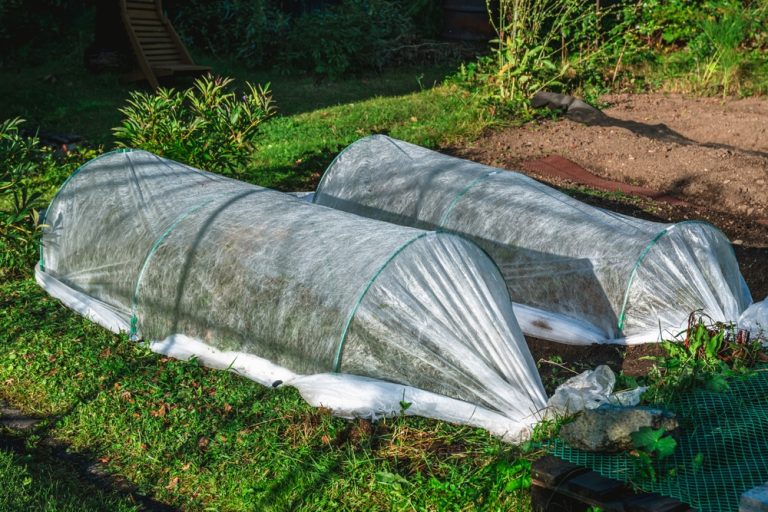
A cold frame might look like a glorified box with a window slapped on top, but before cold weather arrives, that humble little structure can become one of the garden’s most useful pieces of equipment. It can protect cool-season vegetables, give seedlings a sheltered transition outdoors, and help keep fresh greens coming after summer starts…
gardening tips
7 Soil Amendments You May Find Discounted in Late Summer

Late summer can bring an unexpected gardening opportunity: cheaper soil amendments. Garden centers often start clearing seasonal inventory as summer winds down, which can put compost, organic fertilizers, peat products, and other soil helpers into the bargain bin. That does not mean every discounted bag deserves a place in the garden shed. Some amendments improve…
Should You Remove Old Strawberry Leaves After Fruiting?
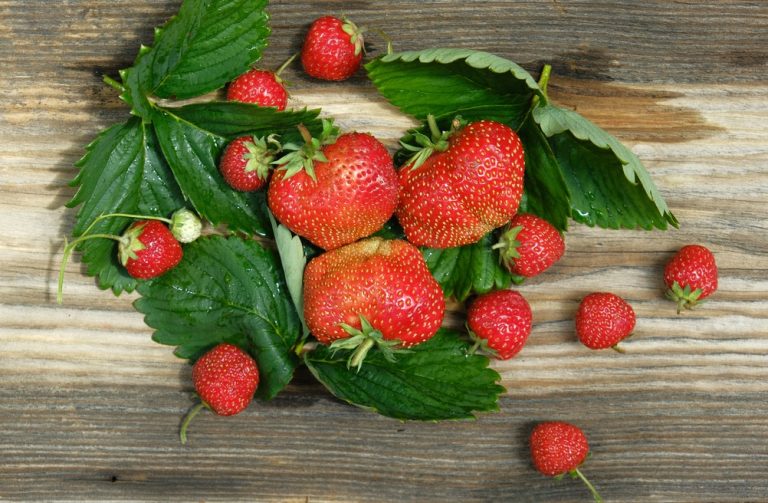
Strawberry plants can look a little rough after they finish producing berries, with tired-looking leaves, brown edges, and the general appearance of a plant that has clocked out for the season. That often leaves gardeners wondering whether those old leaves should go or whether the scissors should stay firmly in the shed. The answer depends…
Why Are More Gardeners Treating Dandelions as Edible Crops?
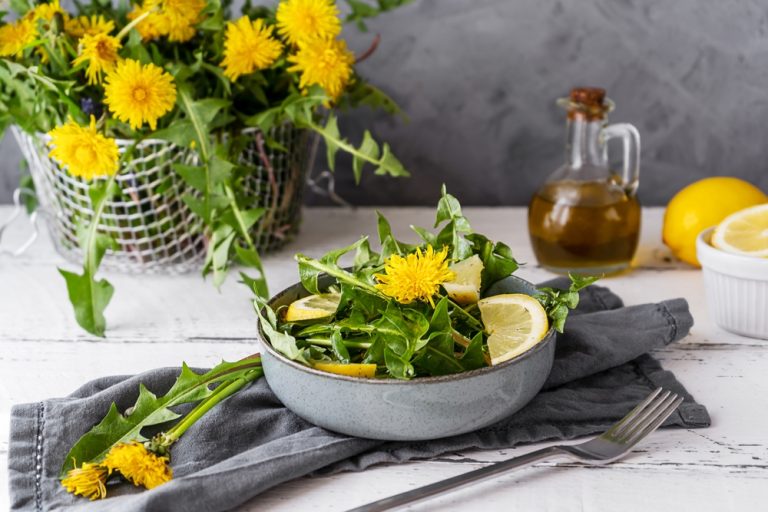
The humble dandelion has spent decades getting blamed for ruining perfectly manicured lawns, yet more gardeners now look at those bright yellow flowers and see lunch instead of lawn trouble. The change makes sense because dandelions offer something many garden crops cannot: food that appears without a seed packet, greenhouse, or carefully negotiated relationship with…
Is Your Garden Ready for Shorter Days and Longer Nights?
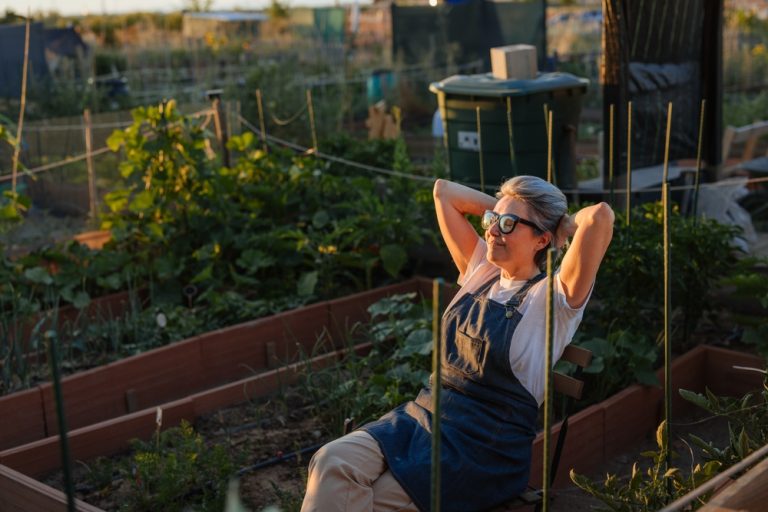
The calendar may still insist that summer has plenty of life left, but the garden already knows better. As daylight fades a little earlier each evening, plants begin shifting gears, even when afternoons still feel hot enough for lemonade and a shady hammock. That quiet seasonal change affects everything from flowering to vegetable production, making…
Why Are Gardeners Growing Skirret and Other Forgotten Edibles?
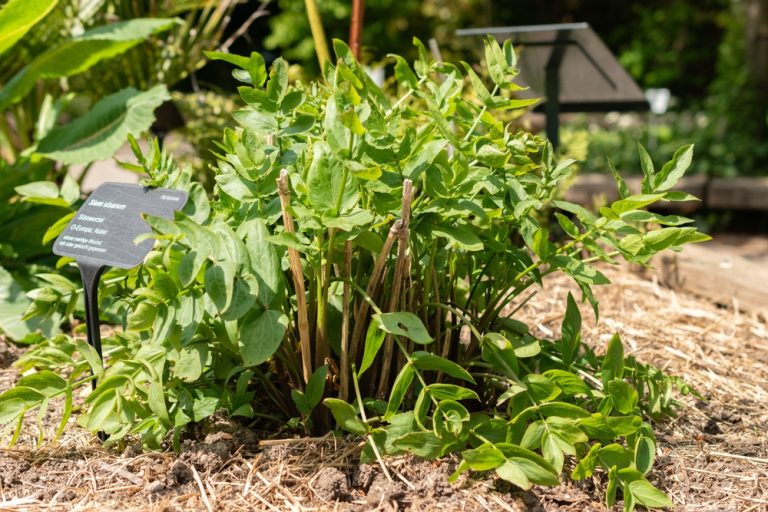
Every spring, garden centers fill with familiar favorites like tomatoes, peppers, and cucumbers. Yet a growing number of gardeners skip the usual lineup and hunt for plants that filled dinner tables long ago. Skirret, good king henry, scorzonera, and other forgotten edibles have started making a surprising comeback because they offer unique flavors, fascinating history,…
5 Ways to Keep Newly Divided Irises From Drying Out

Freshly divided irises look surprisingly tough. Those chunky rhizomes seem almost indestructible sitting on a garden cart, but appearances fool plenty of gardeners every season. Leave them exposed to hot sun, drying wind, or a forgotten afternoon on the driveway, and those healthy divisions can lose precious moisture before they even reach the soil. Keeping…
Why Are Your Figs Dropping Before They Ripen?
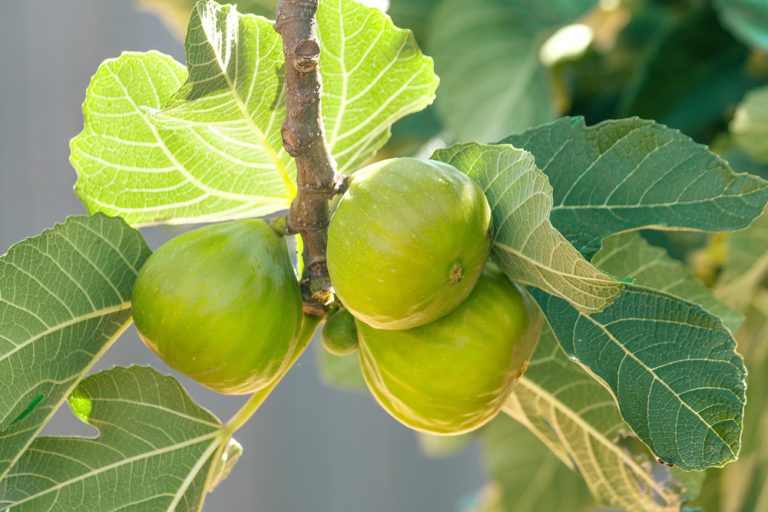
A fig tree loaded with tiny green treasures can create a gardener’s version of heartbreak when those fruits suddenly hit the ground before they become sweet, soft, and ready for picking. Fig trees often drop fruit early because they face stress from water problems, temperature swings, pollination issues, or even the wrong growing conditions. Early…
6 Smart Uses for Fallen Pine Needles Around Acid-Loving Plants
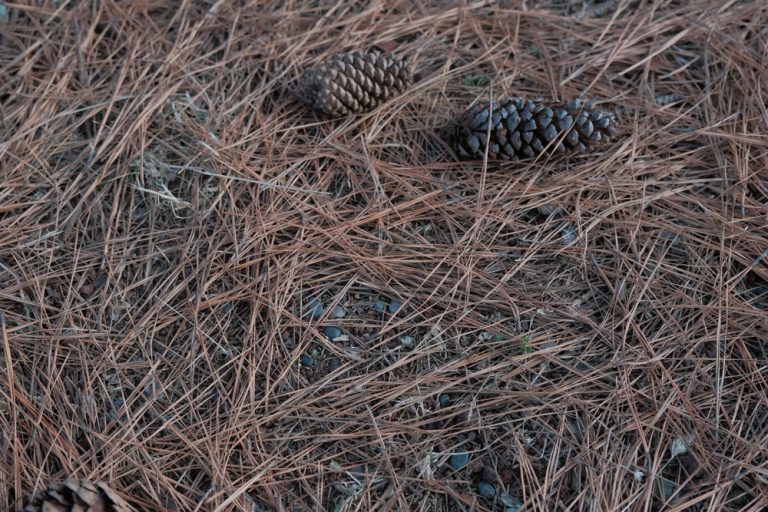
Pine needles often end up as the forgotten gold of the backyard, scattered under trees while gardeners reach for bags of commercial mulch. Around acid-loving plants, those fallen needles can serve a useful purpose, helping create a comfortable growing environment for plants that prefer slightly acidic soil. Instead of sweeping them away like yard clutter,…
Why Are Your Winter Squash Vines Rooting Along the Ground?
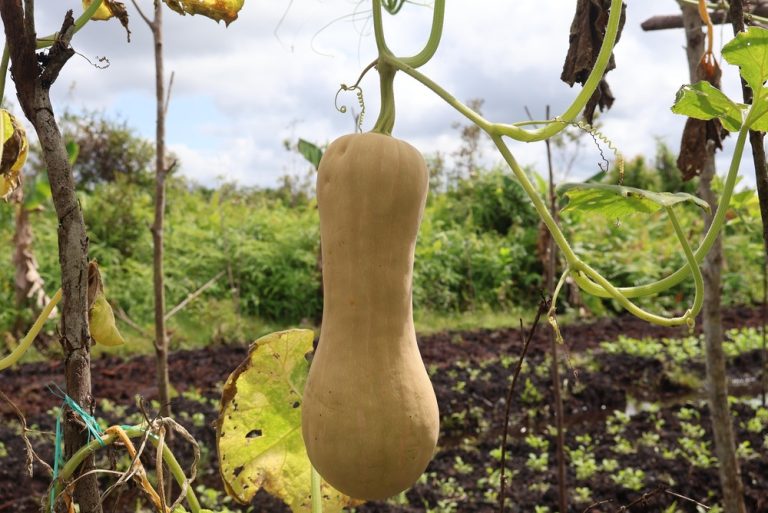
Winter squash vines sometimes surprise gardeners by sending tiny roots into the soil along their long, wandering stems. It can look like the plant has decided to grow a second underground support system, and in a way, that is exactly what it is doing. Those little roots reveal an amazing survival strategy hiding in plain…