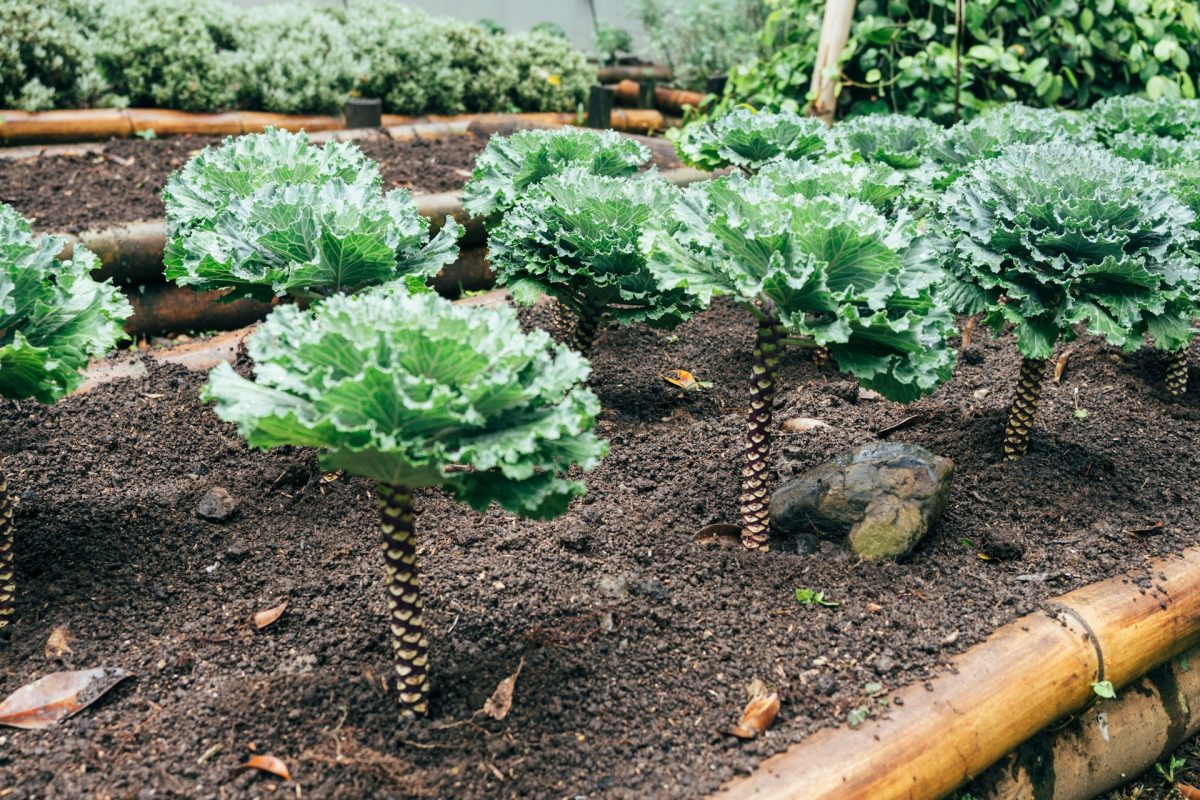
Starting a garden often feels overwhelming at first glance, especially when seed packets list terms that sound more like science experiments than simple plants. The good news comes fast because some crops practically beg to grow, even for someone planting their very first row in American soil.
These beginner-friendly options don’t demand fancy equipment, perfect weather, or years of experience to succeed. They reward curiosity, patience, and a little bit of sunlight with fresh, flavorful harvests that feel surprisingly satisfying. A small backyard plot, raised bed, or even a few containers on a sunny patio can quickly turn into a productive mini farm.
1. Lettuce That Grows Faster Than Most Patience Levels
Lettuce delivers one of the quickest wins in beginner gardening, especially when fresh greens appear just weeks after planting seeds. Loose-leaf varieties grow particularly well in home gardens across the United States because they tolerate cooler temperatures and partial shade. Many gardeners enjoy the “cut and come again” method, which allows multiple harvests from the same plant over time. This crop rewards consistency with crisp, tender leaves that elevate simple salads and sandwiches. Even small spaces produce impressive results, making lettuce a perfect starter plant for nervous beginners.
Lettuce also forgives small mistakes, which matters a lot during those early gardening attempts when everything still feels unfamiliar. Soil that drains well and steady watering keep the leaves from turning bitter or tough. Hot summer weather can cause bolting, but partial shade helps extend the growing season and preserve flavor. Containers work just as well as garden beds, giving apartment dwellers a real chance at success. Fresh-picked lettuce often tastes noticeably better than store-bought greens, which quickly motivates gardeners to keep planting.
2. Radishes That Reward Impatience in the Best Way
Radishes bring excitement to beginner gardens because they grow fast enough to feel almost instant compared to other vegetables. Many varieties mature in just three to four weeks, which keeps motivation high for first-time growers. These colorful roots thrive in cooler weather and adapt well to different soil types across the United States. Their crisp texture and peppery bite add personality to salads, snacks, and garnishes. Watching them swell beneath the soil creates a sense of progress that few other crops match.
Radishes require very little fuss once seeds go into the ground, which makes them ideal for busy schedules. Overwatering or overly rich soil can cause more leafy tops than usable roots, so balance matters more than perfection. Thinning seedlings early helps each plant develop properly and prevents overcrowding underground. Even kids enjoy growing radishes because the results appear quickly and clearly. That fast turnaround turns gardening into a game of anticipation and reward rather than long-term waiting.
3. Green Beans That Climb Their Way Into Success
Green beans bring structure and productivity to beginner gardens with vines that happily climb trellises, fences, or simple stakes. Bush varieties also exist for gardeners who prefer compact plants that don’t require vertical space. These plants thrive in warm American summers and produce generously once they get going. Many gardeners appreciate how frequently beans appear, turning a few plants into repeated harvests throughout the season. Fresh beans offer a sweet, crisp flavor that far surpasses most store-bought options.
Green beans also teach important gardening lessons without overwhelming beginners. Regular harvesting encourages more production, which rewards attention without demanding perfection. Consistent sunlight and moderate watering keep plants healthy and productive across long growing periods. Pests occasionally appear, but healthy plants usually bounce back with minimal intervention. The steady stream of harvests builds confidence and keeps gardeners engaged week after week.
4. Zucchini That Practically Grows While Being Watched
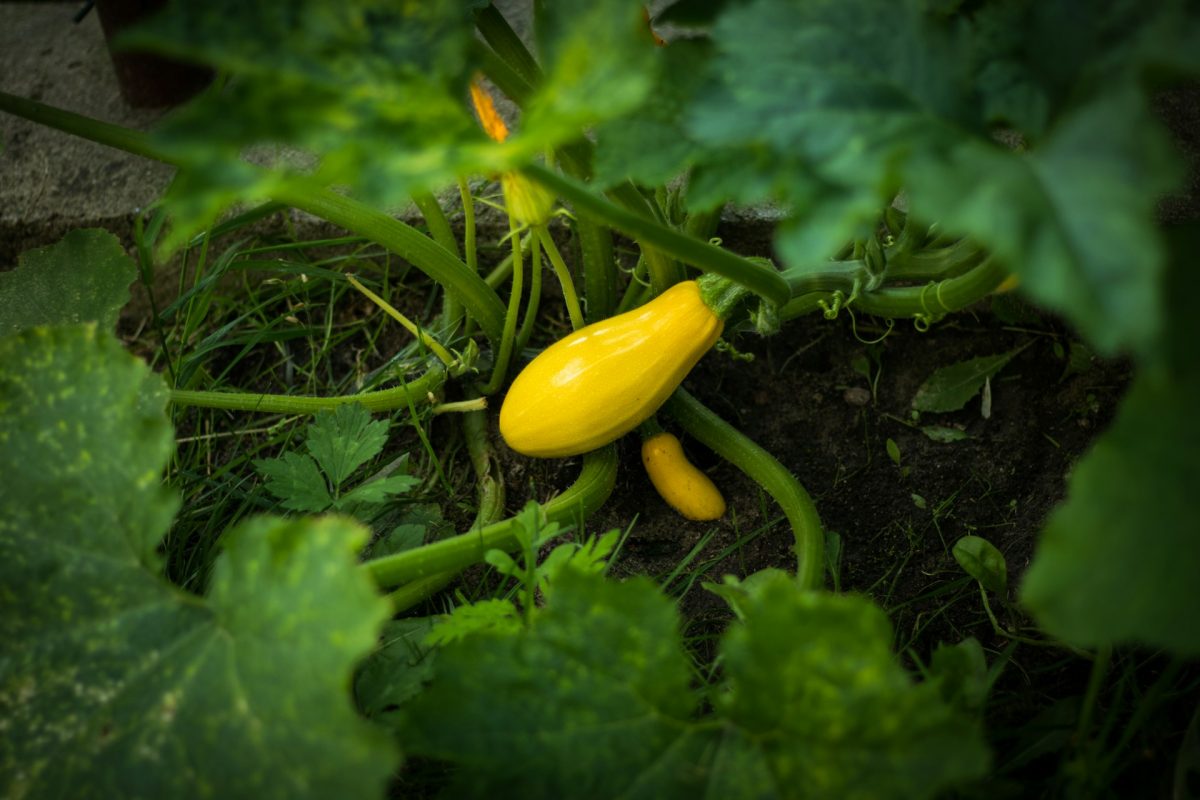
Zucchini earns a reputation for abundance because it produces large, fast-growing fruit that often surprises new gardeners with its speed. One or two plants can feed an entire household during peak season, especially in warm regions across the United States. The broad leaves create natural shade for the soil, helping retain moisture and reduce weed growth. Bright yellow blossoms add beauty before turning into the familiar green squash. Harvesting at the right size keeps flavor mild and texture tender.
Zucchini does require space, but it rewards that space with dramatic yields that feel almost unstoppable. Regular picking prevents oversized fruit and encourages the plant to keep producing more. Consistent watering supports healthy growth, especially during hot summer stretches. Powdery mildew can appear, but good airflow and spacing help reduce issues significantly. Many first-time gardeners find zucchini both impressive and slightly hilarious because it grows with such enthusiasm.
5. Cherry Tomatoes That Turn Gardens Into Snack Stations
Cherry tomatoes deliver some of the most satisfying results for beginners because they produce sweet, bite-sized fruit in abundance. These plants thrive in sunny American gardens and adapt well to containers, raised beds, or traditional soil plots. Their vines often grow tall and require simple staking or cages for support. Once production begins, harvests continue steadily throughout the season with minimal effort. Fresh tomatoes straight from the vine often taste like nature’s candy.
Cherry tomatoes also teach gardeners how rewarding consistency can be over time. Regular watering and occasional pruning help plants focus energy on fruit production. Ripening clusters create a colorful display that makes the garden feel alive and productive. Birds and pests may show interest, but simple protective measures usually solve the problem. Few gardening experiences match the joy of picking warm tomatoes and eating them immediately in the garden.
A Garden That Builds Confidence One Crop at a Time
These five crops transform gardening from an intimidating idea into an accessible, rewarding experience that fits nearly any skill level or space. Each plant offers its own personality, from fast-growing radishes to overflowing zucchini vines that seem to multiply overnight. First-time gardeners gain confidence quickly when harvests arrive early and often, reinforcing the effort put into planting and care. Small successes build momentum that often leads to bigger, more adventurous gardening projects later. A simple garden can evolve into a steady source of fresh food, pride, and connection to the growing process.
What crop would make the best first planting for a brand-new garden this season? If you have been in this situation before, spread your wisdom with other gardeners in the comments section.
You May Also Like…
5 Garden Tasks You Should Finish Before Summer Begins
5 Crops You Can Still Start Now for a Late Summer Harvest
The Spring “Pound” Trick: How to Get 10lbs of Food from One $2 Seed Packet
8 Pollinator-Friendly Additions That Increase Garden Activity
6 Fast-Growing Crops Ready to Harvest in Just Weeks

Brandon Marcus is a staff writer for FrugalGardening.com at District Media, Inc., where he delivers practical gardening advice with a relatable, no-nonsense style. An avid amateur gardener, he holds a BA degree and with over ten years of professional writing experience, he is also an award-winning published author whose first book, Questions For Deep Thinkers, was released by Adams Media. His work has appeared in major publications including Fandom.com, CHUD.com, TheColdWire.com, and Fansided.com.
Leave a Reply