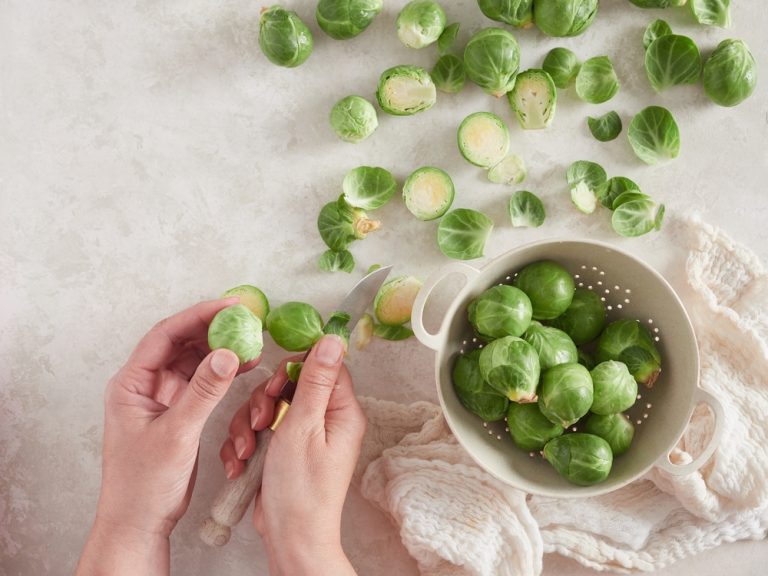
Blanching does more than prepare vegetables for the freezer. A quick dip in boiling water can soften harsh flavors, tame bitterness, loosen tough textures, and make certain garden vegetables taste noticeably more pleasant at the table. It sounds like a small cooking trick, but the difference can be surprisingly dramatic. The key lies in timing….
harvest tips
Should You Pick Apples as Soon as They Change Color?
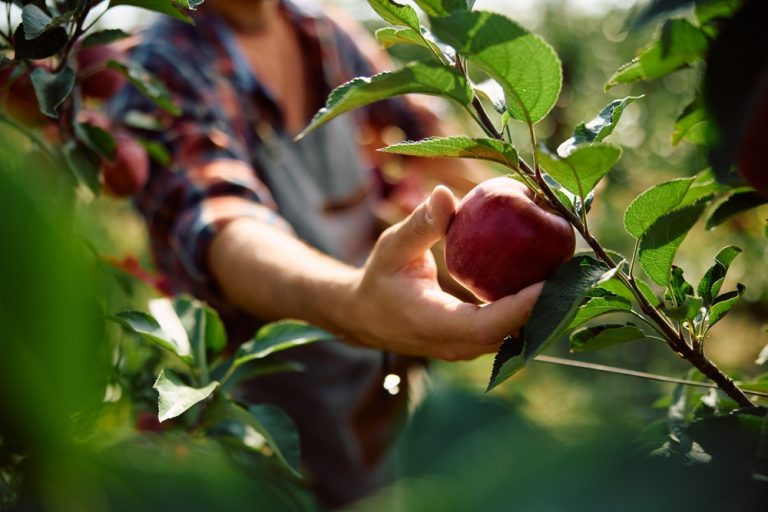
An apple can put on its red, yellow, or golden outfit and still need more time on the tree. Color offers a useful clue, but it does not automatically mean the fruit has reached its best eating stage. Picking too early can leave apples starchy and lacking flavor, while waiting too long can lead to…
What Is the Right Time to Stop Watering Winter Squash?
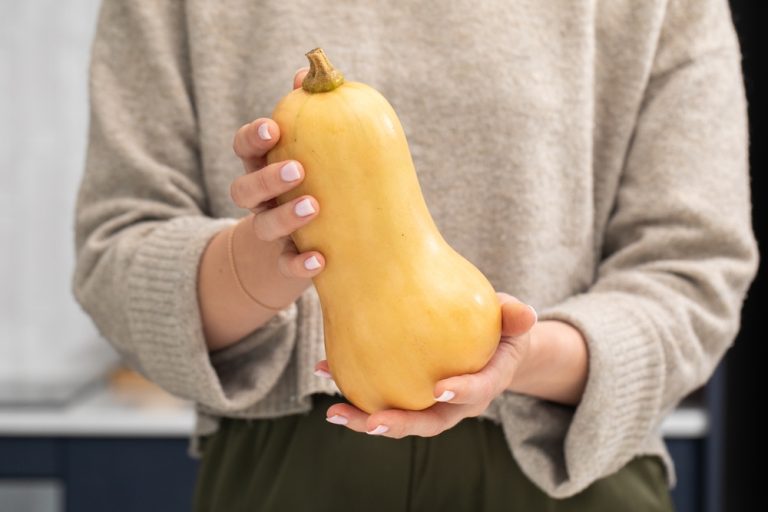
Winter squash has a funny way of making gardeners second-guess themselves. One week the vines look like they could drink an entire bathtub, and the next week the leaves start yellowing while those hefty squash sit there looking suspiciously finished. The right time to stop watering winter squash generally comes when the fruit approaches full…
Can You Use a Laundry Basket to Cure Onions and Garlic?

A laundry basket can help cure onions and garlic, and it can work surprisingly well. The trick has nothing to do with laundry and everything to do with airflow, because freshly harvested bulbs need a dry, airy place where moisture can escape instead of getting trapped around the skins and necks. That makes a laundry…
5 Ways to Turn an Overgrown Herb Bed Into a Fall Harvest
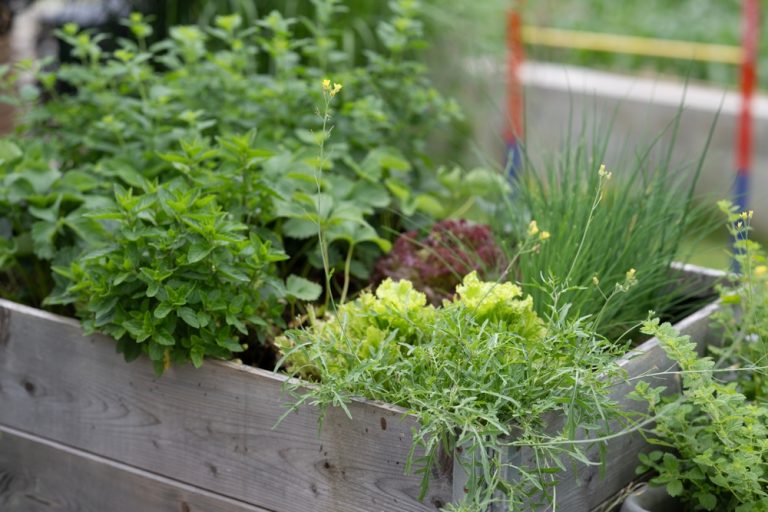
An overgrown herb bed does not mean the gardening season has ended. With a few smart moves, tangled stems and crowded plants can transform into a fresh supply of flavorful herbs for autumn meals, teas, and homemade seasonings. The secret involves more than grabbing pruning shears and attacking the garden like a hedge-trimming superhero. A…
Why Do Watermelons Split Just Before Harvest?
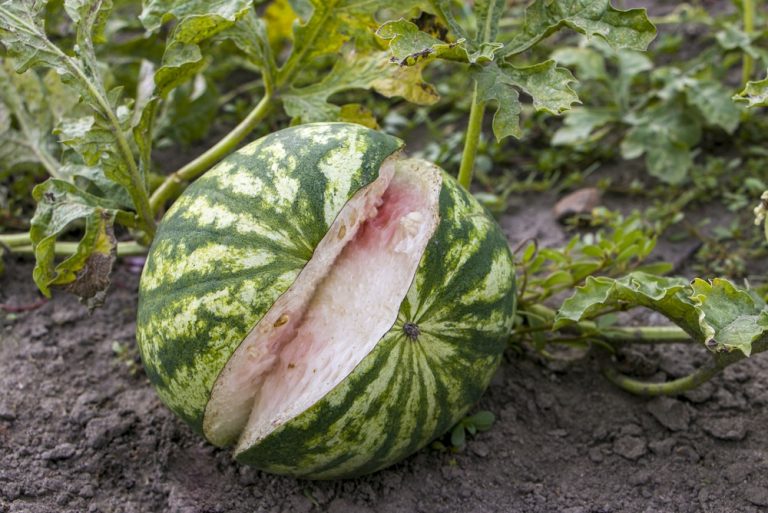
There is nothing more heartbreaking than walking into the garden, spotting a beautiful watermelon ready for picking, and finding a giant crack running through the middle. Watermelon splitting happens because the fruit grows faster than its skin can handle, often after sudden changes in water availability. Knowing why this happens helps gardeners protect their sweet…
8 Ways to Keep a July Garden Productive Without Buying New Plants
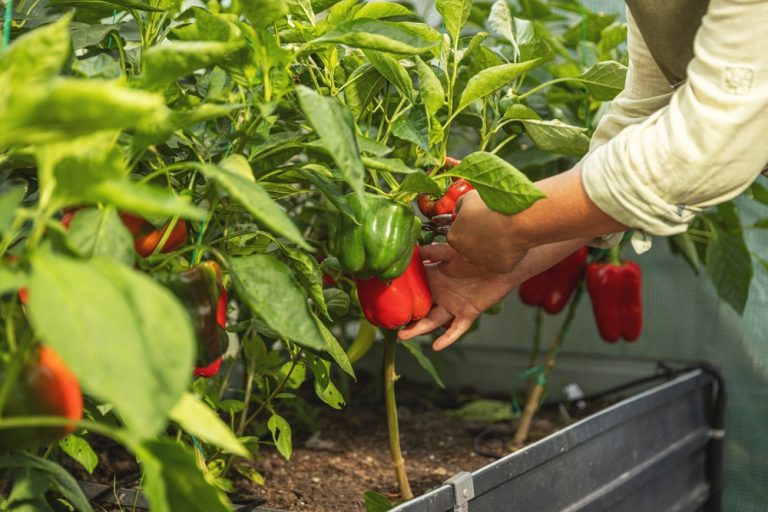
July often brings a strange mix of excitement and disappointment in the garden. Tomato vines stretch toward the sky, cucumbers seem to multiply overnight, and then suddenly a few beds start looking tired, wilted, or downright lazy. Many gardeners assume the only solution involves another trip to the garden center, but the plants already growing…
Why Gardeners Are Planting ‘Insurance Crops’ This Year—and What They Are
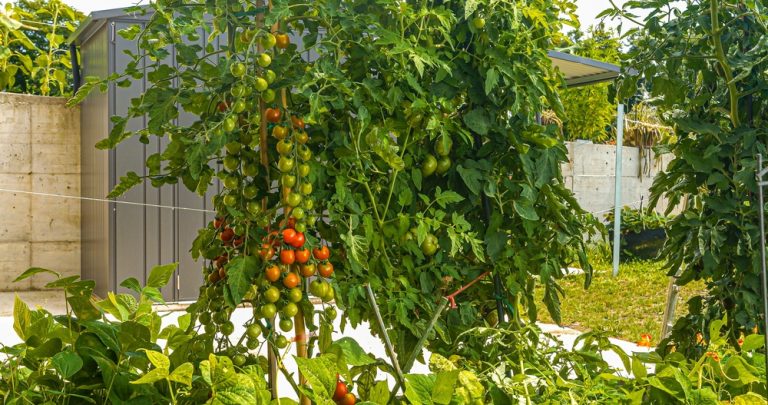
Gardening always carries a little suspense. One week brings perfect sunshine, the next delivers pounding rain, hungry insects, or an unexpected heat wave. That uncertainty explains why so many gardeners now build their planting plans around “insurance crops,” dependable vegetables and herbs that keep producing even when pickier plants struggle. Rather than gambling an entire…
8 Late Season Picks That Still Produce

Cool weather does not have to signal the end of fresh harvests from the garden. Many vegetables actually perform better when temperatures dip and daylight shortens. Gardeners who plant strategically in late summer and early fall often enjoy crisp, flavorful crops well into chilly weeks. Timing and variety selection make a major difference in how…
8 Productive Crops That Continue Yielding Through Summer
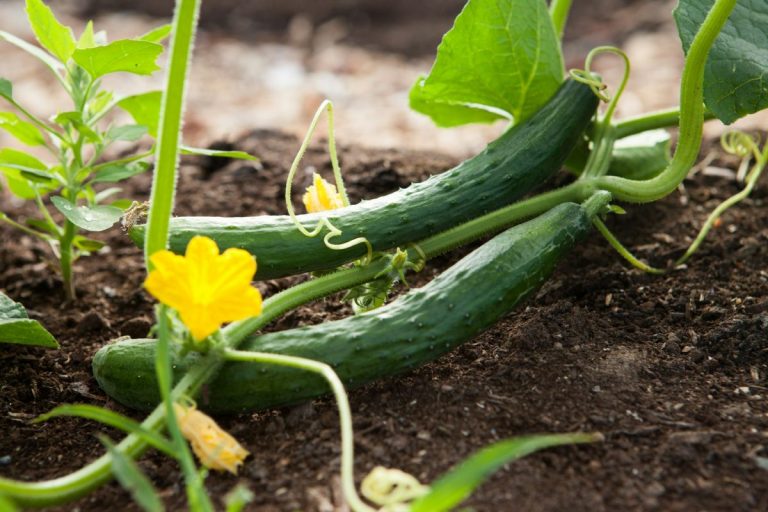
Summer gardens can turn into absolute overachievers when the right crops land in the soil at the right time. Some vegetables sprint through one quick harvest, while others crank out fresh produce for weeks with almost ridiculous enthusiasm. Smart gardeners lean heavily on high-yield plants because steady harvests slash grocery bills, reduce waste, and keep…