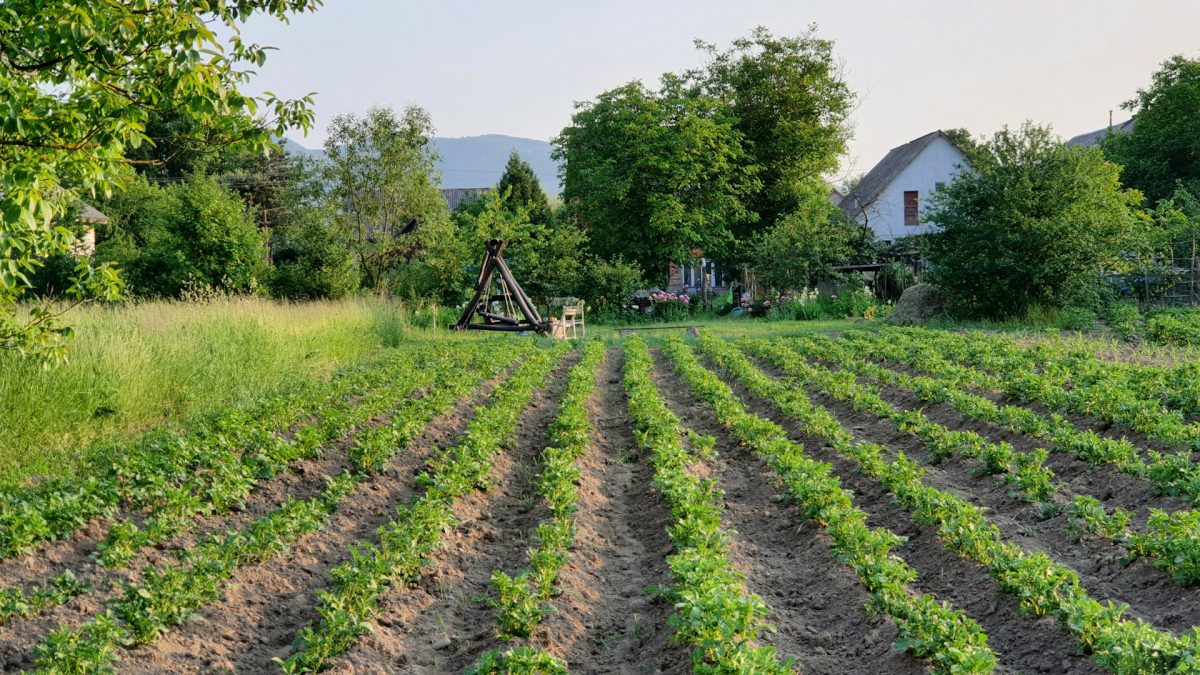
Early heat waves don’t politely ease into the season—they slam into gardens like a blast furnace, turning tender growth into crispy disappointment almost overnight. Spring planting often creates a false sense of security, with cool mornings and mild afternoons lulling gardeners into thinking plants can handle anything.
Then suddenly, temperatures spike into the high 80s or 90s, soil dries out fast, and leaves start wilting before lunchtime. Gardens that looked lush on Monday can look stressed and stunted by Friday. Smart gardeners stay ahead of that chaos with strategies that protect growth before damage starts.
1. Water Deeply, Not Frequently, to Build Resilient Roots
Quick daily sprinkles create shallow roots that panic the moment heat arrives. Deep watering, on the other hand, encourages roots to grow downward where moisture lasts longer and temperatures stay cooler. A solid soak two to three times a week beats a light mist every single day. Early morning watering, ideally before 9 a.m., gives plants a chance to absorb moisture before the sun starts pulling it back out. Consistent deep watering builds stronger plants that hold up far better during sudden heat spikes.
Garden beds benefit most from slow, steady watering methods like soaker hoses or drip irrigation systems. These tools deliver water directly to the root zone without wasting it on evaporation or runoff. Sprinklers might look convenient, but they often leave foliage wet while roots remain thirsty. Wet leaves under heat can even invite disease, which adds insult to injury. Strong roots equal strong plants, and strong plants handle heat waves without falling apart.
2. Mulch Like a Pro to Lock in Moisture and Cool the Soil
Bare soil under intense sun heats up fast, sometimes reaching temperatures that damage root systems. A thick layer of mulch acts like insulation, keeping soil cooler and preventing moisture from evaporating too quickly. Organic mulches such as shredded bark, straw, or compost also improve soil structure over time. A two- to three-inch layer creates a protective barrier that dramatically reduces stress during heat waves. Gardens without mulch often need twice as much watering just to survive.
Mulch also blocks weeds, which compete aggressively for water during hot weather. Fewer weeds mean more available moisture for the plants that actually matter. As mulch breaks down, it feeds the soil and supports beneficial microbes that help plants thrive. That hidden ecosystem plays a major role in plant health, especially under stress. A well-mulched garden handles heat waves with far more stability and less drama.
3. Provide Strategic Shade During Peak Sun Hours
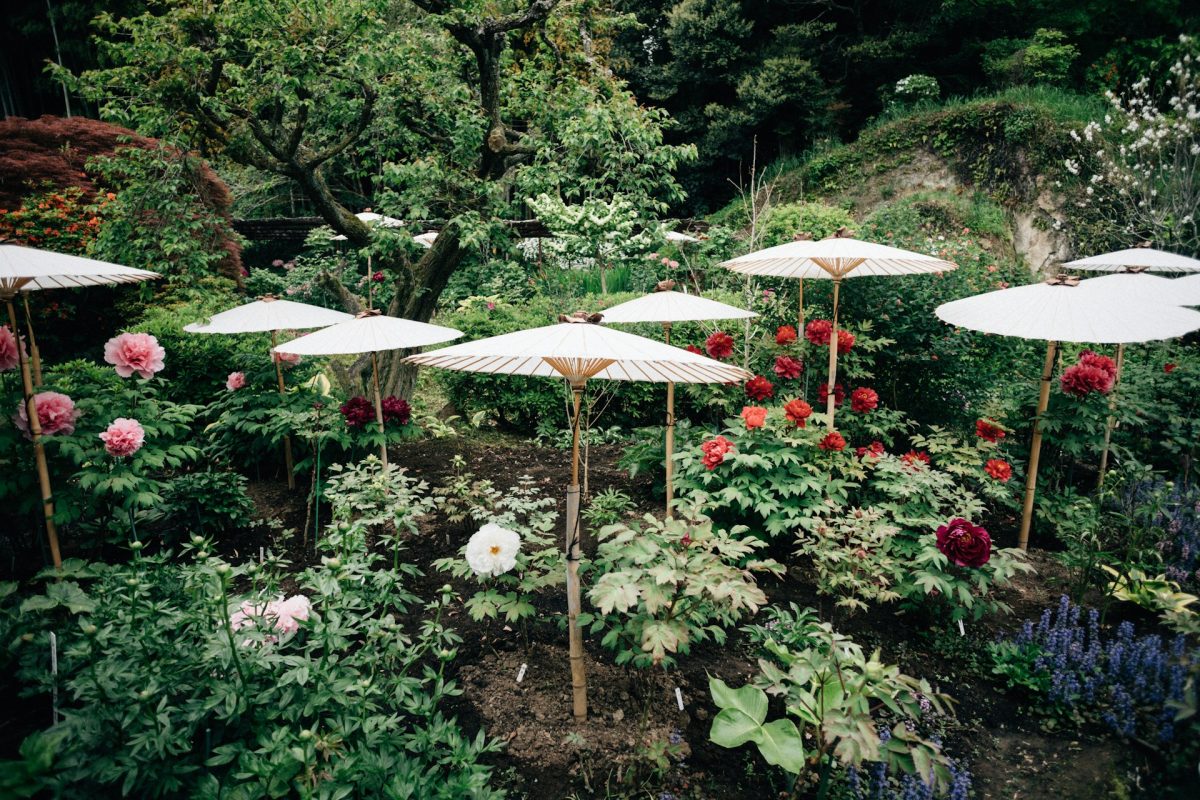
Not every plant thrives under relentless afternoon sun, especially during early-season heat waves. Temporary shade structures can prevent scorching and reduce stress during the hottest part of the day. Shade cloth, patio umbrellas, or even lightweight fabric draped over stakes can make a noticeable difference. The goal involves reducing intensity, not blocking sunlight entirely. Even a few hours of relief in the afternoon can help plants recover faster.
Leaf scorch often appears as brown, crispy edges, especially on young or recently transplanted plants. That damage slows growth and can reduce yields in vegetables like tomatoes and peppers. Strategic shading protects vulnerable plants while still allowing enough light for photosynthesis. Gardeners who act quickly during heat spikes often prevent long-term setbacks. A little shade goes a long way when temperatures climb too high too fast.
4. Adjust Feeding Schedules to Avoid Stress Overload
Fertilizing during extreme heat can backfire, pushing plants to grow when they should conserve energy. Nutrient uptake slows down when plants experience heat stress, which means fertilizer may sit unused in the soil. That buildup can even damage roots if conditions remain dry. Pausing fertilization during a heat wave allows plants to focus on survival instead of rapid growth. Healthy plants bounce back faster once temperatures return to normal.
Timing matters just as much as quantity when it comes to feeding plants. Applying fertilizer during cooler periods, such as early morning or after a heat wave passes, delivers better results. Slow-release fertilizers often work best because they provide nutrients steadily without overwhelming plants. Overfeeding during heat can lead to weak, leggy growth that struggles even more under stress. Smart feeding strategies support long-term resilience instead of short-term bursts.
5. Space Plants Properly to Improve Airflow and Reduce Heat Stress
Crowded plants trap heat and limit airflow, creating a microclimate that feels even hotter than the surrounding air. Proper spacing allows breezes to move through the garden, cooling plants naturally and reducing stress. Good airflow also helps prevent fungal issues that thrive in warm, humid conditions. Plants that breathe easily stay healthier and more productive during heat waves. Thoughtful spacing pays off quickly when temperatures rise.
Garden layouts often look sparse early in the season, but that space fills in fast as plants grow. Ignoring spacing guidelines leads to overcrowded beds that struggle under pressure. Pruning excess growth can also improve airflow and reduce heat buildup. Removing lower leaves on certain crops, like tomatoes, helps redirect energy and improve circulation. A well-spaced garden stays cooler, healthier, and far easier to manage during extreme weather.
6. Protect Soil Health to Support Long-Term Plant Strength
Healthy soil acts like a sponge, holding moisture while still allowing proper drainage. Soil rich in organic matter supports strong root systems that can access water even during dry spells. Compost, aged manure, and natural amendments improve soil structure and boost resilience. Gardens with poor soil struggle much more during heat waves because they dry out quickly and lack nutrients. Investing in soil health creates a foundation that supports everything else.
Microbial activity in healthy soil plays a crucial role in plant survival under stress. Beneficial organisms help break down nutrients and improve water retention, giving plants a steady supply of what they need. Chemical-heavy approaches often disrupt this balance, leading to weaker plants over time. Building soil naturally leads to stronger, more adaptable growth. Heat waves become less threatening when the soil does most of the heavy lifting.
7. Monitor Plants Daily and Act Quickly at the First Signs of Stress
Heat stress doesn’t creep in slowly—it shows up fast and worsens quickly without intervention. Wilting, curling leaves, and discoloration all signal trouble that needs immediate attention. Checking plants daily during a heat wave allows for quick adjustments in watering, shading, or care. Waiting even a couple of days can turn minor stress into permanent damage. Attentive gardeners catch problems early and fix them before they spiral.
Simple actions like adding mulch, adjusting watering schedules, or providing temporary shade can reverse early stress. Plants often recover surprisingly well when given timely support. Ignoring warning signs, however, leads to reduced yields and stunted growth. A proactive approach keeps gardens productive even during challenging conditions. Daily observation remains one of the most powerful tools in any gardener’s toolkit.
Smart Garden Moves That Beat the Heat Every Time
Early heat waves don’t have to derail a productive growing season when smart strategies stay in place. Deep watering, proper mulching, and strategic shading create a strong defense against sudden temperature spikes. Healthy soil and thoughtful spacing give plants the resilience they need to handle stress without collapsing. Quick action at the first sign of trouble prevents long-term damage and keeps growth on track. Gardens that adapt early thrive long after the heat wave passes.
What strategy has made the biggest difference in keeping your garden thriving during extreme heat? Give us your helpful, cool advice below.
You May Also Like…
7 Shade-Friendly Options That Handle Warmer Days Better Than Expected
6 Heat-Resistant Options That Hold Up as Temperatures Climb
8 Heat-Tolerant Picks That Thrive as Temperatures Rise
Why Soil Testing Matters More Before Summer Than Any Other Time
The Hidden Risks of Improper Pruning That Reduce Summer Harvests

Brandon Marcus is a staff writer for FrugalGardening.com at District Media, Inc., where he delivers practical gardening advice with a relatable, no-nonsense style. An avid amateur gardener, he holds a BA degree and with over ten years of professional writing experience, he is also an award-winning published author whose first book, Questions For Deep Thinkers, was released by Adams Media. His work has appeared in major publications including Fandom.com, CHUD.com, TheColdWire.com, and Fansided.com.
Leave a Reply