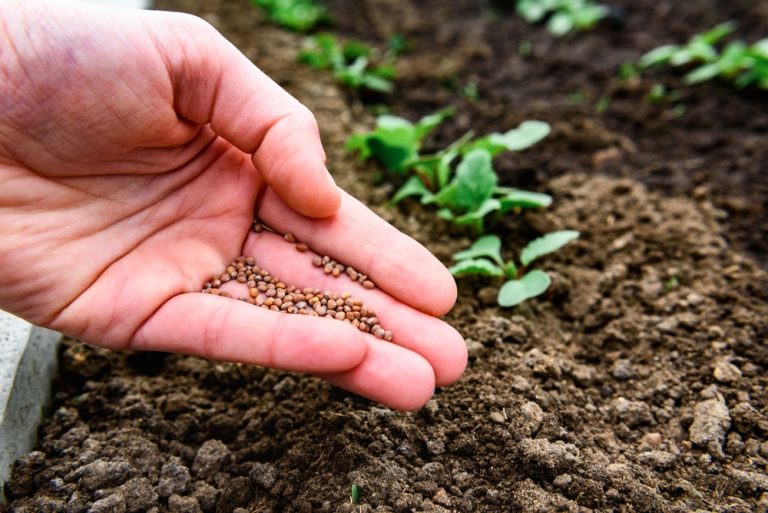
A seed packet that costs a couple of dollars can look like a garden bargain, but the cheapest seeds do not always produce the cheapest vegetables. A crop can demand more water, fertilizer, garden space, support, pest control, or time than another vegetable with a slightly pricier packet. That changes the math considerably once the…
gardening tips
10 Vegetables You Can Grow From Seed for Far Less Than Store-Bought Produce
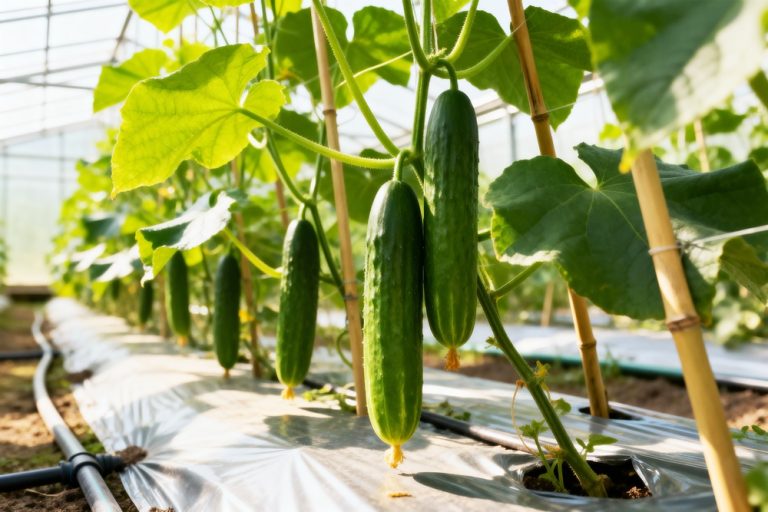
A packet of vegetable seeds can look almost comically small next to a grocery-store bag of produce, but those tiny seeds can turn into a surprisingly generous harvest. For gardeners watching their grocery budget, growing vegetables from seed often costs far less than buying the same produce week after week, especially when a single planting…
You May Not Need to Buy New Potting Soil for Every Container Next Spring
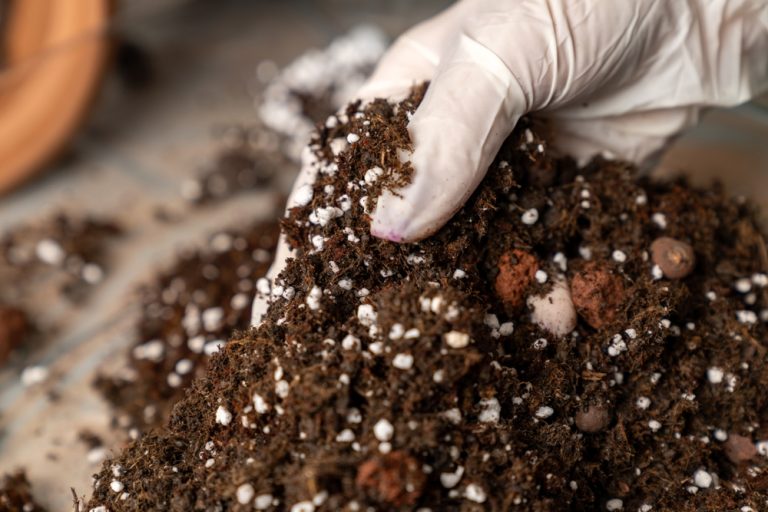
Potting soil can become one of those sneaky spring gardening expenses that barely gets noticed until the cart contains several bags and the receipt suddenly looks ridiculous. The good news is that last year’s container mix does not automatically belong in the trash just because a tomato plant, petunia, or pepper spent a season growing…
7 Fall Crops You Can Grow in Containers Instead of Buying Raised Beds
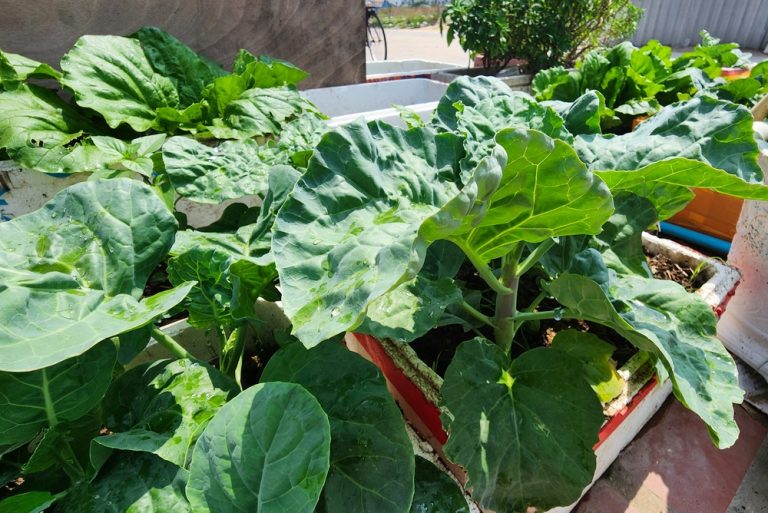
Raised beds look fantastic in a garden, but they also come with lumber, brackets, soil, measuring, digging, and the small matter of actually assembling the thing. For a fall garden, containers offer a much simpler route, especially for gardeners who want fresh vegetables without committing to another permanent garden project. A few large pots, buckets,…
A Small Fall Garden Can Keep Producing Long After Summer Tomatoes Are Gone
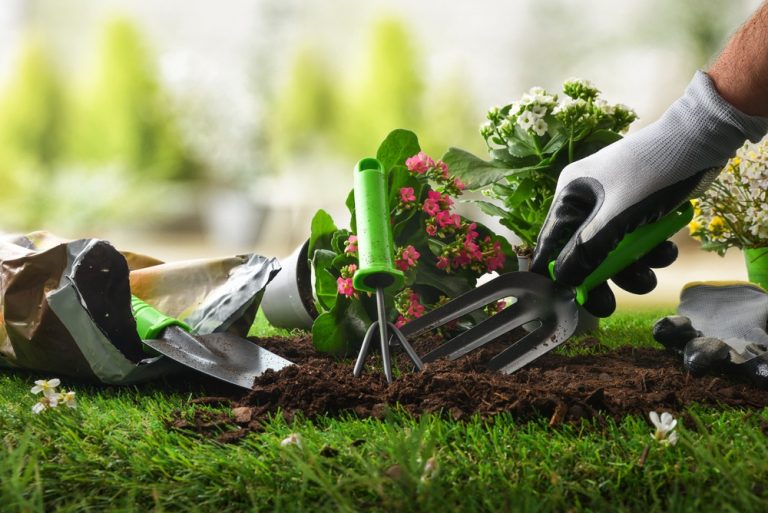
Summer gardens tend to get all the glory. Tomatoes ripen by the bowlful, cucumbers appear overnight, and zucchini somehow manages to produce enough for an entire neighborhood. Then September arrives, the tomato vines start looking exhausted, and it is tempting to call the garden finished for the year. That would leave a surprising amount of…
Your Watering Routine Could Be Costing More Than Your Plants Need
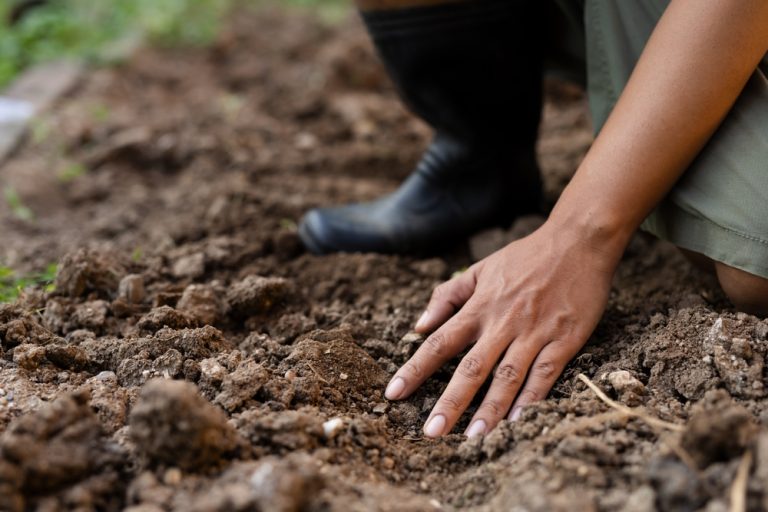
Watering the garden feels like one of those chores that cannot possibly go wrong. The hose comes out, the soil gets wet, the plants look refreshed, and everyone goes home happy. But a watering routine that keeps the soil constantly damp can waste water, encourage shallow roots, and create conditions that invite disease and other…
10 Garden Mistakes That Can Raise Your Water Bill During Late-Summer Heat

Late-summer heat can turn a garden hose into a surprisingly effective money vacuum. When temperatures climb, gardeners often respond by watering longer, watering more frequently, or simply watering everything because the soil looks dry on top. That can keep plants hydrated, but it can also send perfectly good water down the driveway, into the air,…
7 Fall Vegetables That Can Handle Cooler Nights Better Than You Think
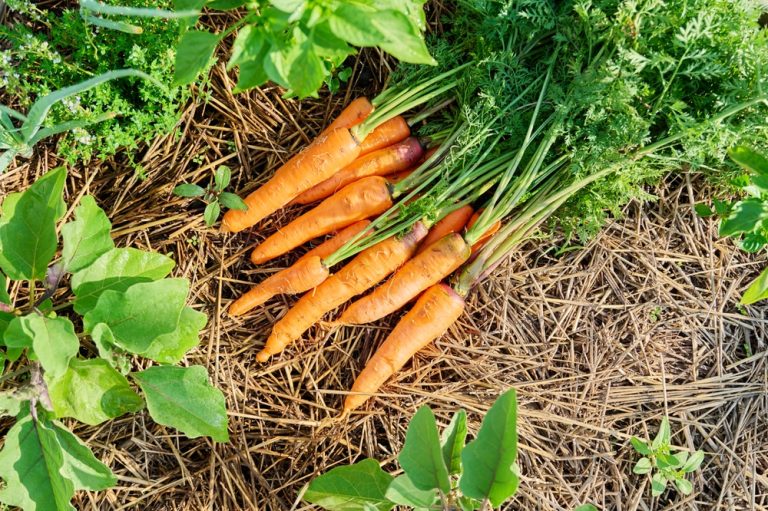
Summer gets all the vegetable-garden glory, but fall quietly has a few tricks of its own. As nights get colder, kale, carrots, spinach, broccoli, cabbage, beets, and radishes can keep producing when heat-loving tomatoes, peppers, and beans start calling it quits. The secret lies in choosing crops that actually like cool weather instead of trying…
Garden Centers Are Starting to Clear Shelves, but Not Every Discount Is Worth It
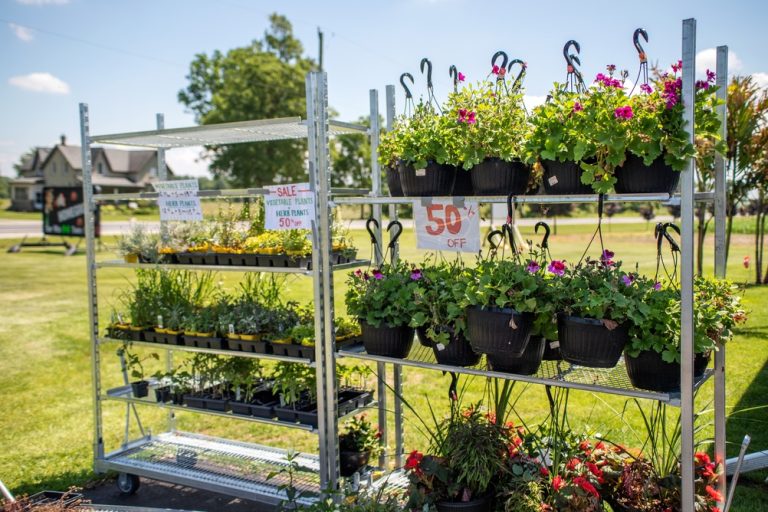
Garden centers are starting to clear their shelves, and that can make late-season plant shopping feel like a joyful treasure hunt. A perennial marked down to a few dollars can become one of the smartest purchases in the garden, but a sickly plant with a dramatic discount sticker can turn that bargain into an expensive…
8 Cool-Season Crops That Can Save You Money on Groceries This Fall
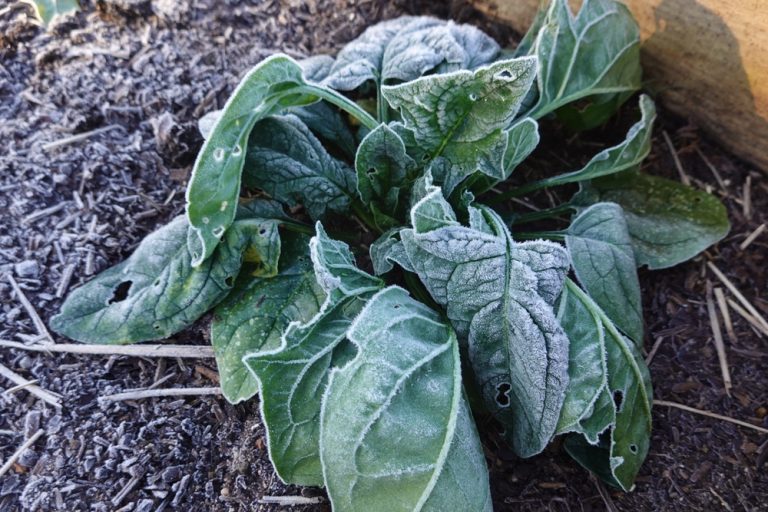
The grocery bill does not magically become smaller when summer ends. In fact, fall can create a sneaky little opportunity for gardeners because plenty of vegetables prefer the cooler conditions that send tomatoes and peppers packing. A few well-chosen crops can turn an emptying summer garden into another round of fresh food, giving the grocery…