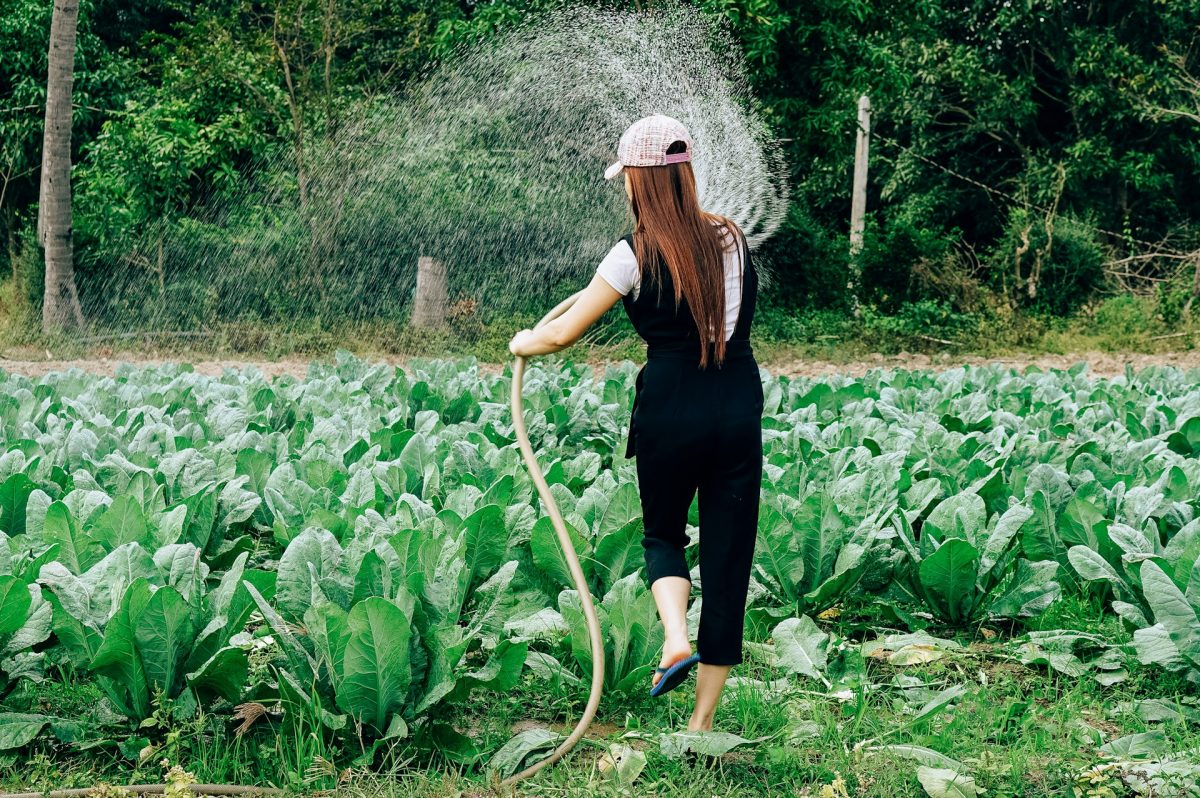
A lush, green garden often looks like it thrives on constant hydration, but that picture hides a costly mistake. Many gardeners treat watering like a generosity contest, pouring on extra moisture in hopes of faster growth and bigger blooms. That instinct feels right, but it quietly sabotages root systems beneath the surface.
Plants don’t just need water—they need the right balance of air, space, and stress to grow strong. Get that balance wrong, and even the healthiest-looking garden can collapse from the ground up.
More Water Doesn’t Mean More Growth, and That Myth Refuses to Die
Garden centers, well-meaning neighbors, and even outdated advice keep the “more water equals better plants” myth alive and thriving. Excess watering fills soil pores that roots depend on for oxygen, effectively suffocating them in their own environment. Instead of stretching deeper to search for moisture, roots stay shallow and weak, creating plants that topple easily or struggle in heat. Lawns often show this problem first, where frequent light watering encourages thin, fragile root systems that burn quickly under summer sun. Strong growth comes from strategic watering that forces roots to dig deeper, not from constant surface moisture.
Gardeners who water daily often notice lush top growth at first, which reinforces the habit, but that growth hides a fragile foundation. A tomato plant, for example, may grow fast with constant watering, yet produce fewer fruits and show signs of stress when temperatures rise. Deep, infrequent watering trains roots to anchor and stabilize the plant while accessing nutrients from a broader soil range. Over time, that difference shows up in sturdier stems, richer yields, and better resistance to drought. The myth persists because early results look promising, but long-term outcomes tell a different story.
Root Systems Need Air Just as Much as They Need Water
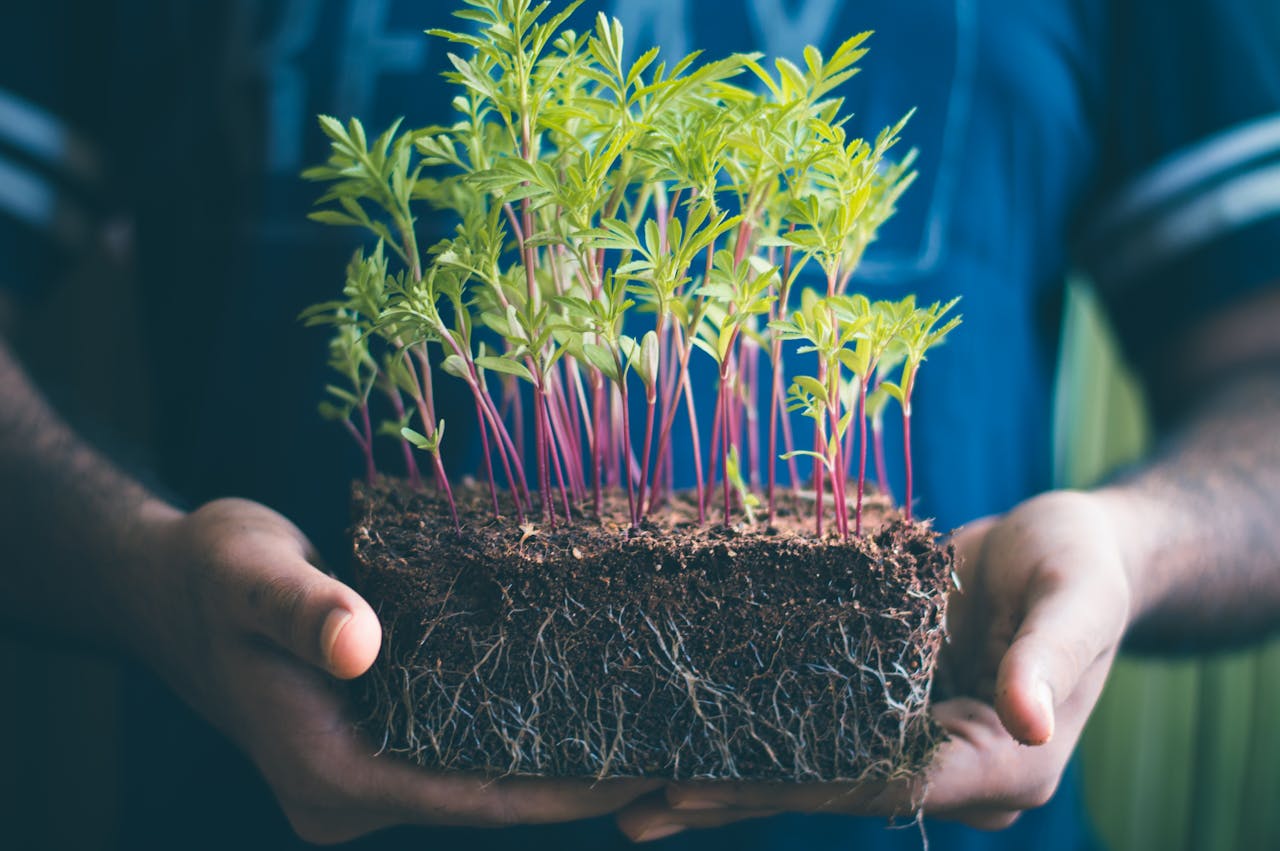
Healthy soil acts like a sponge with pockets of air that allow roots to breathe and function properly. When water floods those pockets, roots lose access to oxygen, which slows growth and opens the door to disease. Root rot thrives in these soggy conditions, especially in poorly draining soil or containers without proper drainage holes. Once rot sets in, plants struggle to recover, often showing yellowing leaves, wilting, and eventual collapse. Proper watering supports a balance where roots receive both moisture and oxygen in equal measure.
Gardeners often mistake wilting as a sign of dryness, which leads to even more watering and worsens the problem. In reality, overwatered roots can’t transport water effectively, so plants show the same drooping symptoms as drought-stressed ones. Checking soil moisture with a finger or moisture meter provides a more reliable signal than visual cues alone. A well-aerated soil mix, especially for potted plants, makes a dramatic difference in preventing this issue. Healthy roots need breathing room, not a constant flood.
Shallow Watering Creates Weak, Dependent Plants
Quick, frequent watering sessions train roots to stay near the surface where moisture appears regularly. That habit leaves plants vulnerable when conditions change, especially during heat waves or dry spells. Deep watering, on the other hand, encourages roots to grow downward, creating a stronger and more resilient plant structure. Landscapers across the U.S. rely on this principle when establishing new lawns, often watering less frequently but more deeply to promote long-term health. That approach builds drought resistance naturally, reducing the need for constant maintenance.
A classic example shows up in suburban lawns where automatic sprinklers run daily for short bursts. These lawns often look green but develop shallow root systems that require constant care and water. Switching to a schedule that waters deeply once or twice a week can transform root depth within a single growing season. The grass becomes tougher, more heat-tolerant, and less dependent on daily watering. That shift not only improves plant health but also cuts water bills significantly.
Soil Type Plays a Bigger Role Than Most Gardeners Realize
Different soils handle water in dramatically different ways, and ignoring that fact leads to major watering mistakes. Clay soil holds water tightly and drains slowly, making it especially prone to overwatering issues. Sandy soil drains quickly and may require more frequent watering, but still benefits from deep soaking rather than constant light moisture. Loamy soil offers the ideal balance, retaining enough moisture while allowing proper drainage and airflow. Matching watering habits to soil type prevents many common plant health problems before they start.
Testing soil doesn’t require a lab; a simple squeeze test reveals a lot about its structure. Clay soil feels sticky and holds its shape, while sandy soil falls apart easily in the hand. Gardeners who adapt watering based on these characteristics see stronger plant performance almost immediately. Raised beds and amended soil mixes can also help regulate moisture levels more effectively. Paying attention to soil transforms watering from guesswork into a targeted, reliable strategy.
Signs of Overwatering Show Up Faster Than You Think
Plants send clear signals when they receive too much water, but those signals often get misinterpreted. Yellowing leaves, soft stems, and a musty smell from the soil all point to excess moisture rather than dryness. Mushrooms or mold on the soil surface also indicate consistently wet conditions that can harm root systems. Ignoring these signs leads to more watering, which accelerates the damage and makes recovery harder. Recognizing these early warnings allows gardeners to adjust quickly and save their plants.
Houseplants often suffer the most from overwatering because they lack natural drainage and environmental variability. A common scenario involves watering on a strict schedule instead of checking actual soil conditions. Letting the top inch of soil dry out before watering again can prevent most issues. Outdoor plants benefit from rainfall patterns that naturally regulate moisture, but even they can struggle in poorly draining areas. Observing plant behavior closely provides better guidance than sticking to a rigid watering routine.
The Watering Strategy That Builds More Powerful Gardens
A thriving garden depends on timing, depth, and observation rather than sheer volume of water. Watering early in the morning reduces evaporation and gives plants time to absorb moisture before heat builds. Deep watering sessions spaced several days apart encourage roots to grow strong and resilient. Mulching helps retain moisture while preventing the soil from becoming waterlogged, striking the perfect balance for root health. Smart watering practices create plants that not only survive but truly thrive.
Gardeners who shift from frequent watering to strategic watering often notice improvements within weeks. Plants develop richer color, sturdier stems, and increased resistance to pests and disease. Water conservation becomes an added bonus, especially in regions where drought conditions drive up utility costs. This approach aligns with modern landscaping practices that prioritize sustainability and long-term success. Strong roots form the foundation of every healthy garden, and they depend on restraint as much as care.
Thriving Plants Come From Less Water, Not More
Great gardens don’t grow from constant attention—they grow from smart, intentional care that respects how plants actually function. Water plays a critical role, but balance determines whether it helps or harms. Strong root systems create plants that stand up to heat, drought, and stress without constant intervention. Gardeners who resist the urge to overwater unlock healthier growth, better yields, and more resilient landscapes. The biggest transformation often happens underground, where roots quietly build strength that shows above the surface.
What watering habits have worked best in your garden, and have you ever caught yourself overdoing it?
You May Also Like…
The Morning Watering Rule: Why Timing Impacts Growth More Than Quantity
The Rainwater Hack: How to Cut Your Water Bill While Growing More Food
Why Moisture Levels Matter More in Autumn
The Rain Barrel Revolution: Stop Paying for Garden Water This Summer
Why Plants Wilt Even After Watering and What to Do

Brandon Marcus is a staff writer for FrugalGardening.com at District Media, Inc., where he delivers practical gardening advice with a relatable, no-nonsense style. An avid amateur gardener, he holds a BA degree and with over ten years of professional writing experience, he is also an award-winning published author whose first book, Questions For Deep Thinkers, was released by Adams Media. His work has appeared in major publications including Fandom.com, CHUD.com, TheColdWire.com, and Fansided.com.
I’ve been killing my houseplants for years with too much water, and this article really hit home. I always thought more moisture meant happier plants, but now I see I’ve been basically starting a city brawl in their root systems. The roots were probably drowning and fighting for oxygen while I thought I was helping them grow. After reading this, I’m definitely changing my watering schedule and letting the soil dry out a bit between sessions. Thanks for the wake-up call!