Spring gardens promise juicy tomatoes, crisp lettuce, and baskets full of homegrown goodness—but small mistakes can quietly cut that dream in half. A few missteps early in the season often lead to stunted growth, poor fruiting, and disappointing harvests. Strong gardens don’t rely on luck; they thrive on timing, technique, and a bit of savvy observation.
Many beginners jump in with enthusiasm but miss the subtle details that make all the difference. Fix these five common errors, and watch a struggling garden turn into a high-yield powerhouse.
1. Planting Too Early Without Respecting Soil Temperature and Weather Patterns
Garden centers fill up fast, and warm sunny days tempt eager hands to start planting immediately. Cold soil, however, slows root development and stresses young plants before they even settle in. Crops like tomatoes and peppers demand soil temperatures above 60°F, yet many beginners rush them into chilly ground. That early excitement often leads to yellowing leaves, stalled growth, and weak production later in the season. Smart gardeners check soil temperature with a simple thermometer and follow local frost dates instead of the calendar alone.
Weather swings in early spring add another layer of risk that beginners often underestimate. A single late frost can wipe out tender seedlings overnight, forcing a costly and frustrating restart. Seasoned growers use row covers, cloches, or wait just a bit longer to avoid gambling with their crops. Even hardy plants like lettuce benefit from stable conditions that encourage steady growth instead of survival mode. Patience during those first few weeks pays off with stronger plants and significantly better yields down the line.
2. Overwatering in the Name of “Care”
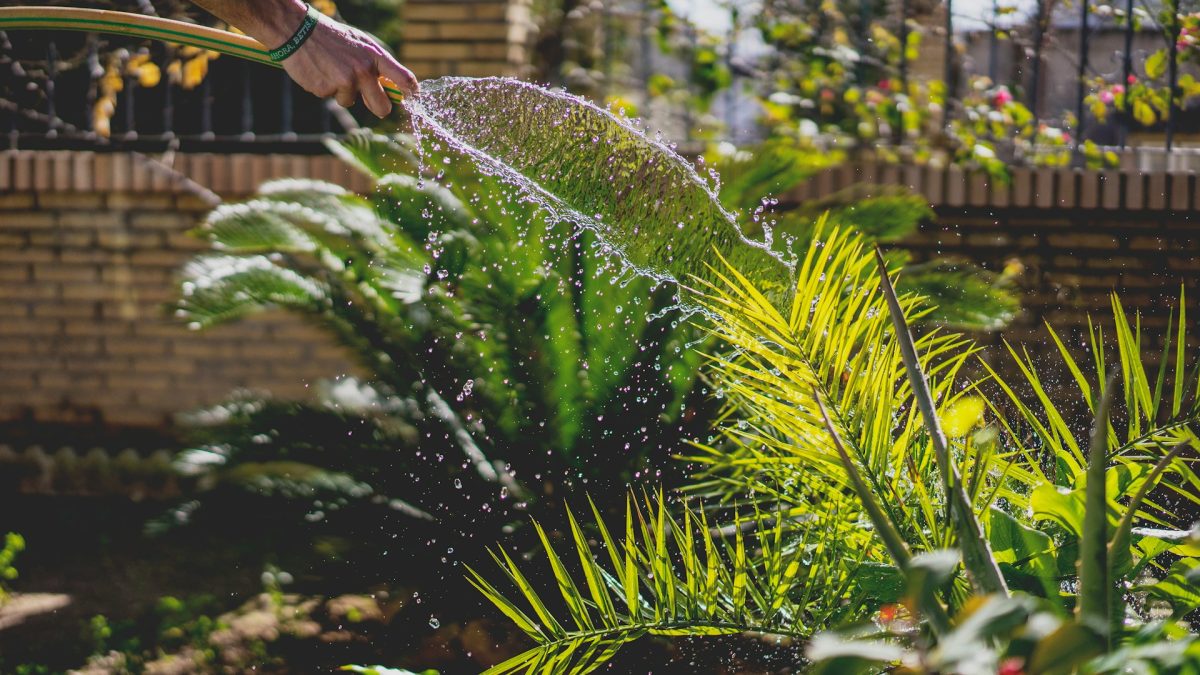
New gardeners often equate more water with more growth, but soggy soil tells a very different story. Roots need oxygen just as much as moisture, and waterlogged soil suffocates them quickly. Plants respond with drooping leaves, slow growth, and eventually root rot that kills productivity. Instead of following a rigid watering schedule, successful gardeners pay attention to soil moisture about an inch below the surface. If it feels damp, the plants don’t need another drink yet.
Consistent, deep watering beats frequent shallow sprinkles every time. Shallow watering encourages roots to stay near the surface, where they dry out quickly and weaken the plant. Deep watering trains roots to grow downward, creating stronger, more resilient plants that handle heat and drought better. Early morning watering also reduces evaporation and lowers the risk of fungal diseases. That simple shift in technique often doubles the effectiveness of every drop of water used in the garden.
3. Ignoring Soil Health and Nutrient Balance
Plants pull everything they need from the soil, yet many beginners treat soil like plain dirt instead of a living system. Poor soil leads to weak plants, low yields, and increased vulnerability to pests and disease. A quick soil test reveals pH levels and nutrient deficiencies that directly impact plant performance. Without that knowledge, gardeners often guess—and those guesses rarely lead to thriving crops. Adding compost, aged manure, or balanced fertilizers creates a nutrient-rich foundation that supports vigorous growth.
Healthy soil also improves structure, drainage, and microbial activity, all of which influence yield. Loose, well-aerated soil allows roots to spread easily and access nutrients efficiently. Organic matter feeds beneficial microbes that help break down nutrients into forms plants can actually use. Gardeners who invest in soil health often see noticeable improvements within a single season. That foundation turns average gardens into productive spaces that consistently deliver abundant harvests.
4. Crowding Plants and Ignoring Spacing Guidelines
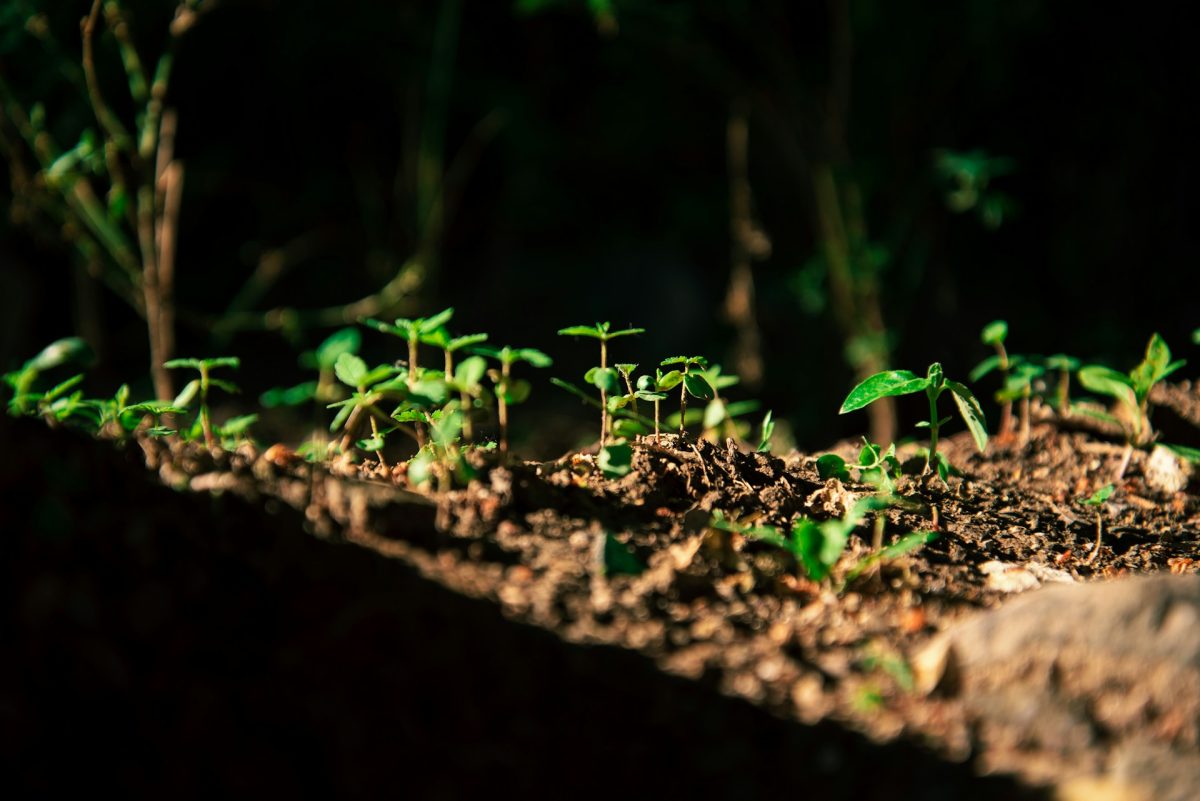
Seed packets and plant labels include spacing recommendations for a reason, yet beginners frequently ignore them in hopes of squeezing in more plants. Crowded plants compete for sunlight, water, and nutrients, which leads to weaker growth across the board. Poor airflow between plants also creates the perfect environment for fungal diseases and pests to spread quickly. Instead of producing more, overcrowded gardens often yield less—and with lower-quality produce. Giving each plant proper space allows it to reach its full potential.
Strategic spacing also makes maintenance much easier throughout the growing season. Gardeners gain better access for watering, pruning, and harvesting without damaging neighboring plants. Sunlight reaches more leaves, boosting photosynthesis and overall plant vigor. Crops like zucchini and tomatoes especially benefit from extra breathing room, as they grow larger than expected. Thoughtful spacing transforms a chaotic garden into an efficient, high-performing system that maximizes every square foot.
5. Skipping Regular Monitoring and Letting Problems Escalate
A thriving garden demands consistent attention, not just weekend check-ins. Beginners often miss early warning signs of pests, disease, or nutrient deficiencies until the damage spreads. Aphids, caterpillars, and fungal spots start small but multiply quickly when left unchecked. Daily or near-daily observation allows gardeners to catch issues early and respond before yields suffer. That habit turns reactive gardening into proactive success.
Simple actions like inspecting leaves, checking soil moisture, and removing damaged growth make a huge difference over time. Natural solutions—like hand-picking pests or using neem oil—work best when problems stay small and manageable. Waiting too long often forces harsher interventions that stress plants even more. Experienced gardeners treat their gardens like living systems that communicate constantly through visual cues. Paying attention builds intuition, and that intuition leads directly to healthier plants and bigger harvests.
Bigger Harvests Lie in Smarter Habits
Big yields don’t come from expensive tools or complicated techniques—they come from consistent, thoughtful decisions made every day in the garden. Each of these common mistakes chips away at plant health in subtle but powerful ways. Fixing them doesn’t require perfection, just awareness and a willingness to adjust. Strong soil, proper timing, smart watering, and regular observation create a system where plants thrive naturally. Build those habits, and even a small garden can produce impressive, satisfying results.
What’s one mistake that caused trouble in a past garden—and what changed afterward? We want your gardening advice below in our comments.
You May Also Like…
10 Low-Maintenance Picks That Perform Well in Late Spring
Spring Forward, Spend Less: The Best Early-Season Budget Hacks
The Overwatering Problem: Why Soggy Soil Kills More Gardens Than Drought
Why Plants Wilt Even After Watering and What to Do
How to Revive Plants After Accidental Overwatering

Brandon Marcus is a staff writer for FrugalGardening.com at District Media, Inc., where he delivers practical gardening advice with a relatable, no-nonsense style. An avid amateur gardener, he holds a BA degree and with over ten years of professional writing experience, he is also an award-winning published author whose first book, Questions For Deep Thinkers, was released by Adams Media. His work has appeared in major publications including Fandom.com, CHUD.com, TheColdWire.com, and Fansided.com.
Leave a Reply