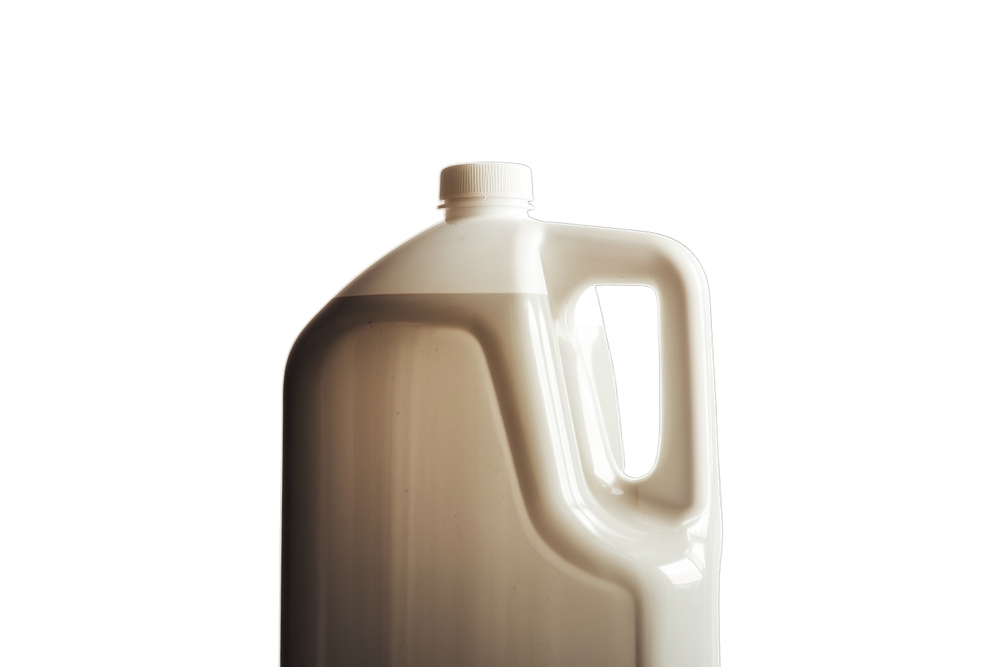
Backyards, balconies, patios, and even sunny doorsteps can turn into productive food-growing spaces with a little creativity. Household containers like buckets, storage totes, and milk jugs offer an easy entry point into gardening without needing raised beds or large yards. These everyday items often sit unused, yet they can hold rich soil and support impressive harvests when set up correctly. Gardening this way also helps reduce waste while putting fresh food within arm’s reach. Small spaces suddenly start to feel a lot more powerful when they start producing food instead of clutter.
Container gardening also opens the door for flexibility that traditional gardens cannot match. Containers move with the sun, shift with the seasons, and adapt to changing space needs without heavy labor. Many beginners discover that simple setups actually remove a lot of the intimidation that comes with gardening outdoors in open soil.
Why Everyday Containers Create Powerful Mini Gardens
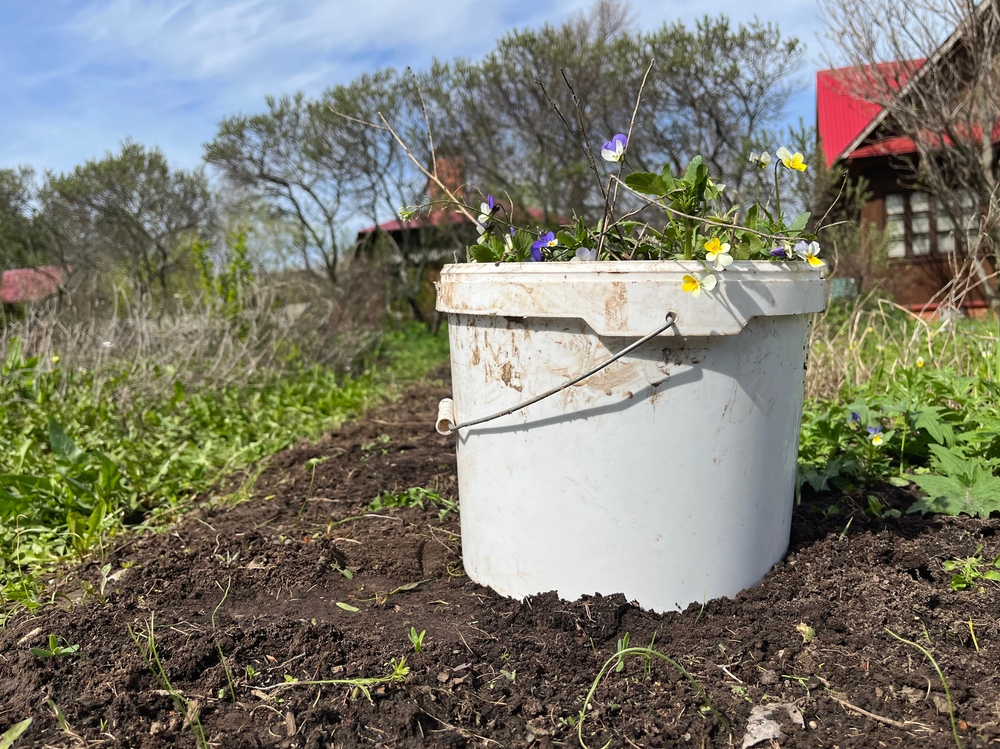
Buckets, totes, and milk jugs work so well because they already offer structure, depth, and portability for plant roots. A five-gallon bucket easily supports root systems for tomatoes, peppers, and bush beans when set up properly. Storage totes provide even more space for leafy greens or multiple plants sharing the same soil. Milk jugs, though smaller, work beautifully for herbs or seed starting projects that need controlled environments. These containers allow gardeners to build food production systems from items already sitting around the house.
The real advantage comes from control over soil quality and placement. Gardeners decide exactly what mix fills the container, which directly affects plant growth and yield. Sun exposure becomes easy to manage since containers move without stress or tools. Pests also become easier to monitor because plants sit at accessible heights. With a little planning, these everyday containers transform into reliable mini garden beds that consistently produce fresh vegetables.
Building Drainage and Soil That Sets Plants Up for Success
Drainage plays a huge role in container gardening because roots suffer quickly in waterlogged soil. Drill or punch several holes in the bottom of buckets and totes to keep excess water moving out efficiently. Milk jugs need small slits near the base so moisture never pools inside. A layer of small stones or broken terracotta pieces helps guide water away from roots without compacting the soil. Good airflow at the bottom of containers prevents rot and keeps plants healthier through changing weather.
Soil mix matters just as much as drainage because container plants rely entirely on what gets placed inside. A blend of potting soil, compost, and coconut coir or peat moss creates a balanced foundation for most vegetables. Compost adds nutrients that feed plants over time while also improving texture. Gardeners should avoid heavy garden soil because it compacts too easily in small spaces. A loose, nutrient-rich mix gives roots room to expand and supports steady growth from seedling to harvest.
Choosing Vegetables That Excel in Compact Container Spaces
Leafy greens like lettuce, spinach, and kale adapt quickly to buckets and totes because they do not require deep root systems. Herbs such as basil, parsley, and cilantro also perform well in smaller containers like milk jugs or recycled bottles. Compact varieties of tomatoes and peppers produce surprisingly large yields when given consistent sunlight and steady watering. Bush beans and radishes also fit nicely into container setups without demanding too much space. These crops allow gardeners to build productive gardens even in tight areas like apartment balconies.
Spacing and variety selection play a big role in overall success because overcrowding leads to weaker plants. Gardeners should always match container size with plant growth habits to avoid stunted harvests. Companion planting also helps maximize production by pairing plants that support each other’s growth patterns. For example, basil grows well alongside tomatoes and can help improve flavor while deterring some pests. Thoughtful selection turns small containers into efficient, high-yield garden systems.
Everyday Care Moves That Keep Container Gardens Productive
Watering routines matter more in containers because soil dries out faster than traditional garden beds. Checking moisture daily during warm weather prevents stress and keeps plants consistent. Deep watering works better than light sprinkling because it encourages stronger root development. Sunlight exposure also needs attention since most vegetables require at least six hours of direct light. Moving containers throughout the day can help plants get the best possible growing conditions.
Feeding plants with diluted liquid fertilizer every few weeks supports steady production throughout the season. Gardeners should also trim dead leaves and harvest regularly to encourage new growth. Watching for pests like aphids or fungus gnats helps prevent small issues from becoming larger problems. Clean containers between growing cycles to reduce disease risks and refresh soil health. Consistent attention keeps container gardens productive from the first sprout to the final harvest.
Small Containers, Big Harvest Energy
Household containers turn everyday spaces into productive growing zones without expensive tools or complicated setups. Buckets, totes, and milk jugs each offer unique advantages that fit different plant needs and space constraints. Simple choices around soil, drainage, and plant selection shape the success of the entire garden. Anyone willing to experiment with small setups often discovers that fresh vegetables grow closer than expected. The process rewards patience, creativity, and a bit of curiosity along the way.
What would get planted first in your container garden setup like this? It’s time to share your stories and ideas in the comments below.
You May Also Like…
Why Kale and Spinach Are the Underdogs of the November Garden
6 Container-Friendly Options That Grow Quickly
7 Container Success Picks That Perform Well Anywhere
5 Container Garden Ideas That Work on Small Balconies
Don’t Buy Seed Starters: Use These 4 Free Household Containers Instead

Brandon Marcus is a staff writer for FrugalGardening.com at District Media, Inc., where he delivers practical gardening advice with a relatable, no-nonsense style. An avid amateur gardener, he holds a BA degree and with over ten years of professional writing experience, he is also an award-winning published author whose first book, Questions For Deep Thinkers, was released by Adams Media. His work has appeared in major publications including Fandom.com, CHUD.com, TheColdWire.com, and Fansided.com.
Leave a Reply