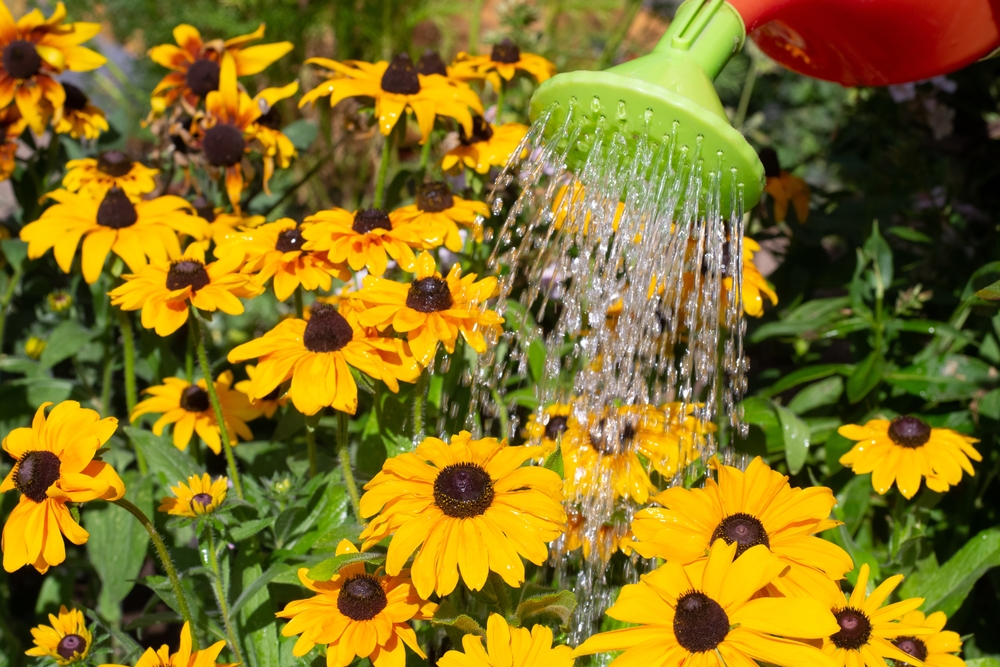
A dull, lifeless yard quickly transforms into a buzzing ecosystem when pollinator-friendly wildflowers take center stage. Bees, butterflies, and even hummingbirds respond fast when the right blooms appear, turning outdoor space into a living, moving show. Budget-conscious gardeners often discover that wildflowers cost far less than traditional landscaping plants while delivering more visual impact. These resilient blooms also adapt well to different soil conditions, making them ideal for beginners and experienced gardeners alike. With the right mix, any yard can feel like a small slice of meadow magic without draining the wallet.
Wildflowers also reduce maintenance stress because they establish strong root systems and require less watering over time. Many varieties reseed themselves, which means the garden naturally fills in more each season. That self-sustaining cycle helps create a habitat that supports pollinators from spring through fall. A thoughtfully chosen mix brings color, movement, and ecological balance into one cohesive space. The best part comes from watching life return to areas that once looked empty or overlooked.
Choose Native Wildflowers That Match Your Region
Native wildflowers perform best because they already understand local soil, rainfall, and temperature patterns. Black-eyed Susans, coneflowers, and lupines often stand out as reliable choices across many regions. These plants attract native pollinators that recognize them as food sources, which boosts biodiversity quickly. Gardeners save money because native species usually require fewer fertilizers and less pest control. Strong adaptation skills make these flowers a smart foundation for any pollinator-friendly yard.
A mix of heights and bloom times keeps the garden active from early spring to late fall. Layering taller plants in the back and shorter blooms in the front creates visual depth and easy pollinator access. Local extension offices often provide free seed lists tailored to specific regions, helping gardeners avoid guesswork. Seeds spread across prepared soil often germinate without complicated steps or expensive tools. This approach builds a stable ecosystem that grows stronger with each passing season.
Mix Colorful Blooms That Pollinators Cannot Resist
Bright colors act like runway lights for bees and butterflies, guiding them straight to nectar-rich flowers. Purple coneflowers, orange milkweed, and golden coreopsis create a vibrant palette that pollinators recognize instantly. These colors also enhance curb appeal, making the yard look intentionally designed rather than random. A well-balanced color mix encourages repeat visits from pollinators that rely on consistent food sources. The visual effect turns a simple garden into a constantly shifting display of life and motion.
Planting in clusters rather than scattering single flowers helps pollinators forage more efficiently. Groupings of the same species reduce energy waste for bees, which increases overall garden activity. Seed packets often cost less than nursery plants, allowing gardeners to experiment without financial pressure. Strategic placement near sunny areas improves bloom production and nectar output. Over time, these color-rich zones become the most active and exciting parts of the yard.
Create Bloom Waves for Continuous Nectar Supply
Pollinators depend on consistent food sources, so timing matters just as much as flower selection. Early bloomers like crocus and wild columbine kickstart the season when insects first emerge. Mid-season flowers such as bee balm and blanket flower keep energy flowing during peak activity months. Late bloomers like goldenrod extend the buffet into autumn when other gardens start fading. A staggered planting plan ensures pollinators never leave due to food shortages.
Seed mixes often include varieties that naturally bloom in sequence, which simplifies planning. Gardeners can also supplement gaps by adding inexpensive seed packets throughout the growing season. This layered approach prevents “dead zones” where nothing flowers and pollinators lose interest. Consistent blooms also improve soil health because different roots interact with the earth in unique ways. A steady nectar supply turns the yard into a dependable feeding station for local wildlife.
Prepare Soil Without Breaking the Budget
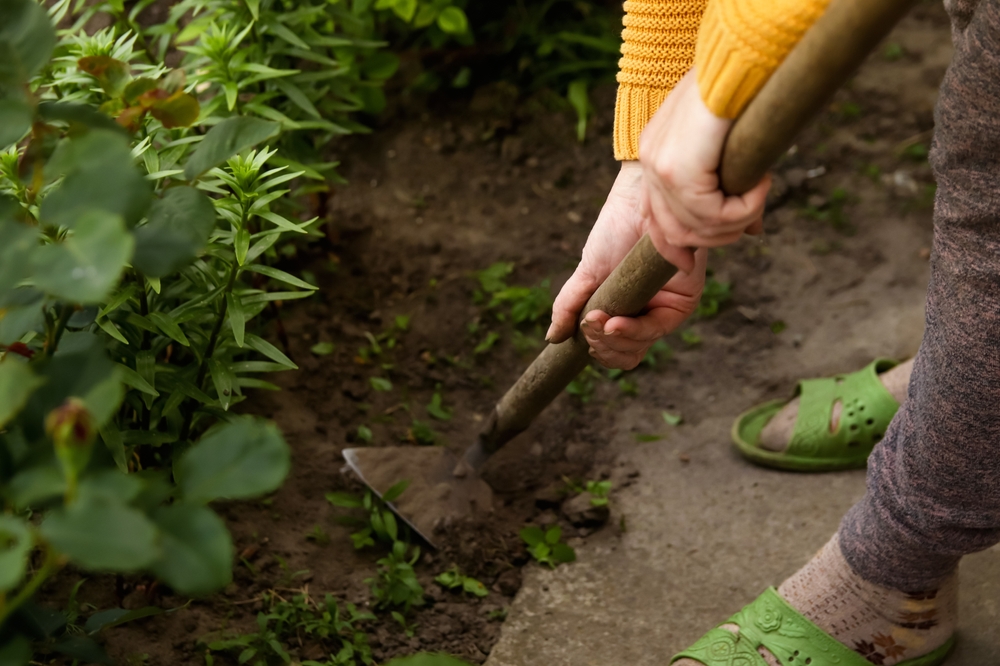
Healthy soil gives wildflowers a strong start, but expensive fertilizers rarely become necessary. Many wildflowers actually prefer lean soil conditions, which reduces upfront costs significantly. Clearing weeds and loosening the top layer often provides enough structure for seeds to settle and grow. Compost from kitchen scraps adds nutrients without requiring store-bought products. Simple preparation steps often outperform complex gardening systems.
Gardeners often save money by skipping heavy landscaping equipment and using basic hand tools instead. Raking and light tilling usually create enough seed contact for successful germination. Rainfall does most of the watering work once seeds take root, which cuts long-term expenses. Avoiding chemical treatments also protects pollinators that will soon depend on the garden. A simple soil foundation often leads to stronger, more natural plant growth over time.
Support Pollinators With Smart Garden Habits
Wildflowers attract pollinators, but consistent care keeps them returning throughout the season. Leaving small patches of bare soil helps ground-nesting bees build safe habitats. Shallow water dishes with stones provide hydration without risk of drowning for insects. Avoiding pesticides protects the very creatures that make the garden come alive. These small habits create a welcoming environment that supports long-term pollinator activity.
Gardeners also benefit from observing daily changes in pollinator behavior and flower performance. Tracking which plants attract the most activity helps refine future planting choices. Allowing some flowers to go to seed encourages natural regeneration and reduces seed costs. Even small adjustments, like mowing less frequently, can dramatically increase pollinator visits. Thoughtful maintenance turns the yard into a sustainable refuge rather than a short-term display.
A Living Landscape That Pays Off Season After Season
A pollinator-friendly wildflower garden delivers beauty, savings, and environmental impact all at once. Simple choices like native seeds, smart color grouping, and bloom timing create a powerful ecosystem without heavy spending. Each season builds on the last as plants reseed and pollinators establish regular routes through the yard. Even small spaces can support meaningful biodiversity when planted with intention and patience. This approach transforms ordinary outdoor areas into lively, ever-changing habitats that reward both nature and the homeowner.
What wildflower would bring the most excitement to your backyard transformation, and how would it change the space? Let’s chat about it below in our comments section.
You May Also Like…
How to Boost Pollinators Without Adding Flowers
6 Flowers That Self-Seed and Return Without Effort
9 Flowers That Thrive With Less Fertilizer Than You Think
6 Gorgeous Flowers You Can Grow In Winter
Design a Winter Garden That Looks Just as Good Without Flowers

Brandon Marcus is a staff writer for FrugalGardening.com at District Media, Inc., where he delivers practical gardening advice with a relatable, no-nonsense style. An avid amateur gardener, he holds a BA degree and with over ten years of professional writing experience, he is also an award-winning published author whose first book, Questions For Deep Thinkers, was released by Adams Media. His work has appeared in major publications including Fandom.com, CHUD.com, TheColdWire.com, and Fansided.com.
Leave a Reply