
A sudden late frost can wipe out weeks of careful gardening in a single cold night, yet the real danger rarely appears above ground. Frost attacks the soil first, and roots suffer long before leaves show distress. Anyone who grows carrots, beets, radishes, potatoes, or turnips knows that underground crops rely on stable soil temperatures to survive unpredictable cold snaps.
Fortunately, covers and frost cloths do not hold the only line of defense. Smart gardeners rely on soil management, moisture control, and clever planting strategies to keep roots safe even when the thermometer plunges. Strong soil acts like insulation, and thoughtful preparation transforms a vulnerable garden bed into a resilient environment that shields delicate roots from damage.
Soil Becomes a Blanket When Managed Correctly
Healthy soil works like a thick comforter around roots. Loose, dry soil allows cold air to slip downward quickly, while dense and well-structured soil traps warmth and slows temperature drops. Garden beds rich in organic matter hold heat far better than lifeless dirt. Compost, aged manure, and decomposed leaves create a crumbly structure that stores warmth during daylight hours and releases that warmth slowly overnight. Roots sitting in that environment stay noticeably safer when frost strikes.
Gardeners often overlook how deeply this protection works. Soil packed with organic material maintains a more stable temperature several inches below the surface. Root crops thrive in that zone, so a well-amended bed dramatically lowers frost risk.
Regular compost additions throughout the growing season build this protective structure naturally. A thick layer worked gently into the top few inches keeps the soil lively and insulated without disturbing established root systems.
Water Holds Heat Better Than Dry Dirt
Dry soil chills quickly, but moist soil retains warmth and releases it slowly. That simple physical property gives gardeners a powerful frost defense that requires nothing more complicated than proper watering. A deep watering during the afternoon before a frost event prepares the soil for the coming cold. Moisture absorbs heat during daylight hours and stores that energy underground. As nighttime temperatures fall, the soil releases that stored warmth gradually, which helps keep root zones several degrees warmer.
This temperature difference often determines whether roots suffer damage or continue growing without interruption. Even a small boost in soil warmth protects sensitive crops like carrots, beets, and young potatoes.
However, gardeners should avoid waterlogged conditions. Saturated soil suffocates roots and invites disease. A slow, deep soak that penetrates several inches into the bed delivers the best protection without creating drainage problems.
Strategic Mulch Creates Natural Insulation
Mulch performs one of the most effective frost-defense roles in the garden, yet many people apply it only for weed control or moisture retention. A thick organic layer also slows heat loss from soil. Straw, shredded leaves, pine needles, and finely chopped bark all create an insulating barrier that shields the ground from rapid temperature changes. The mulch traps warm air near the soil surface and prevents cold air from penetrating too deeply.
Root vegetables benefit enormously from this simple layer. Garden beds with two to three inches of loose mulch often maintain soil temperatures several degrees warmer than exposed beds during overnight frosts.
Timing matters as well. Gardeners should apply mulch after the soil warms during the day rather than before a cold morning. Warm soil beneath that layer holds heat longer and creates stronger overnight protection.
Mulch also improves soil structure over time as it breaks down. That gradual process strengthens long-term frost resistance while feeding beneficial microbes that keep roots healthy.
Raised Beds Can Work Against Frost Without Smart Planning
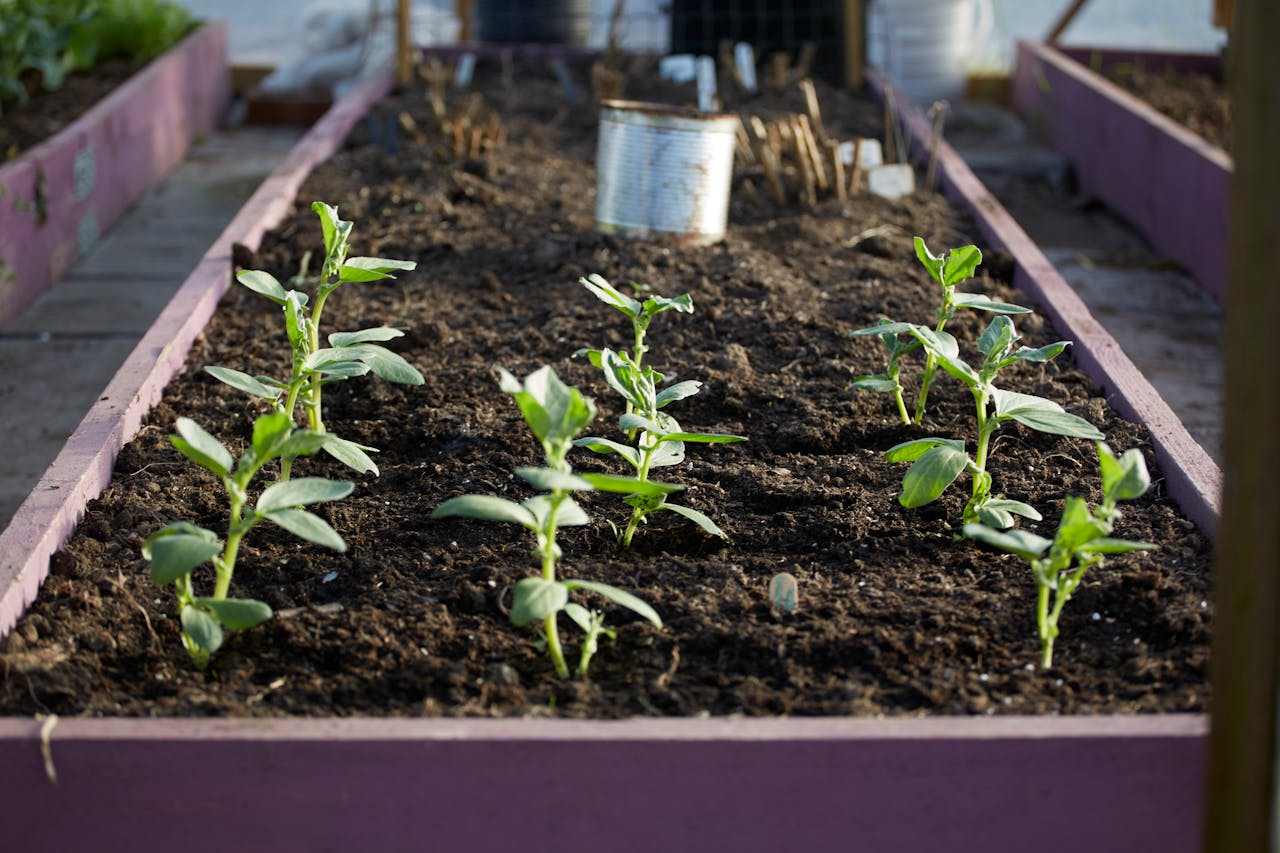
Raised beds warm quickly in spring, which makes them popular among vegetable growers. However, those same beds lose heat faster than in-ground gardens during cold nights because air circulates around the exposed sides. Gardeners who grow root crops in raised beds must counteract that heat loss with thoughtful preparation. Thick soil layers, compost additions, and deep watering play even larger roles in elevated beds.
Packing straw or leaves along the outer edges of a raised bed creates a helpful insulation barrier. That material blocks cold air from cooling the sides of the soil mass too quickly. Even a modest layer along the bed walls slows heat loss overnight.
Plant spacing also matters in raised beds. Closely spaced root crops create a denser canopy that shades the soil surface and reduces heat loss during the night.
Smart Plant Timing Reduces Frost Exposure
Timing plays a huge role in protecting root crops from late frost damage. Some gardeners rush planting schedules as soon as warm days arrive, but cold soil often lingers beneath the surface long after air temperatures climb. Planting too early exposes young roots to unstable soil temperatures that fluctuate dramatically during late winter and early spring. Waiting until soil warms slightly provides a safer environment for developing roots.
Soil temperature tools offer a simple solution. A basic soil thermometer allows gardeners to confirm when the ground reaches suitable conditions for root crops. Many varieties germinate best once soil temperatures rise above about 45°F to 50°F.
That small delay dramatically reduces frost vulnerability. Established roots handle brief cold snaps far better than fragile seedlings that just started developing underground.
Windbreaks Protect Soil Temperature Too
Wind rarely receives attention in frost discussions, yet strong wind accelerates soil heat loss faster than still air. Cold wind strips warmth from the ground and lowers temperatures around exposed garden beds. Strategic windbreaks slow that process and protect underground crops from temperature swings. Fences, shrubs, stacked hay bales, or even temporary garden screens reduce wind exposure and stabilize soil warmth.
This protection works especially well in open gardens where cold air flows freely across beds. A windbreak positioned on the side facing prevailing winds dramatically reduces heat loss overnight.
Root crops benefit from that calmer microclimate because stable conditions allow soil to hold warmth longer. The result often means healthier plants and fewer frost setbacks during unpredictable weather.
A Garden That Outsmarts Frost
Late frost never needs to control the outcome of a growing season. Soil preparation, moisture management, mulch layers, and thoughtful planting strategies combine to form a surprisingly powerful defense system beneath the surface.
Roots thrive when the soil environment stays stable, warm, and well structured. Organic matter builds insulation, water stores heat, mulch slows temperature loss, and wind protection stabilizes the entire garden bed.
Which of these frost-fighting techniques will make the biggest difference in your garden this season? Give us your thoughts below in the comments.
You May Also Like…
Why Your Lawn Thins After Winter (And Budget Ways to Fix It)
9 Cheap Windbreak Ideas That Save Plants in a Cold Snap
Experts Say These Indoor Greenhouses Are Failing Seedlings in Cold Snaps
A Decorative Garden Fence Could Violate Local Wildlife Protection Laws
These ‘Unkillable’ Houseplants Are Dying in Droves This Winter — Here’s Why

Brandon Marcus is a staff writer for FrugalGardening.com at District Media, Inc., where he delivers practical gardening advice with a relatable, no-nonsense style. An avid amateur gardener, he holds a BA degree and with over ten years of professional writing experience, he is also an award-winning published author whose first book, Questions For Deep Thinkers, was released by Adams Media. His work has appeared in major publications including Fandom.com, CHUD.com, TheColdWire.com, and Fansided.com.
Leave a Reply