
March arrives like a magician shaking off winter’s last tricks, yet for anyone watching their plants, it can also feel like a betrayal. Those once-vibrant green leaves suddenly start turning yellow, dropping hints that something is off. The shift from green to gold might look pretty at first glance, but in the plant world, yellow is rarely just decoration.
Really digging into why leaves yellow in early spring can save your garden, prevent long-term damage, and make the difference between thriving foliage and a collection of limp, sad leaves. For first-time gardeners and those who have been doing it for years, there are lessons to be learned.
1. Early Spring Shock: Plants Adjusting to Sudden Change
Plants aren’t immune to the whiplash of March weather swings. One week brings sunshine and warmth, the next cold snaps bite deep into soil and roots. Leaves turn yellow as a signal that the plant is conserving energy, a reaction to temperature stress that interrupts normal nutrient flow. Roots may struggle to absorb water or essential minerals, causing chlorophyll—the pigment responsible for that lush green—to fade.
Even hardy species experience temporary nutrient distribution disruptions, and yellowing acts as a warning light. Gardeners can help by gradually acclimating plants to outdoor conditions and ensuring consistent moisture to reduce stress.
2. Nutrient Shortages: More Than Just a Guess
Nothing haunts plants quite like a lack of essential nutrients, and nitrogen tops the list for causing early yellowing. Nitrogen fuels growth and keeps leaves dark and full of life. When the soil runs short, older leaves turn yellow first while new growth continues to push upward, creating a patchwork of colors. Iron, magnesium, and zinc deficiencies can create subtle variations—leaves might yellow between veins or curl at edges. Testing soil, supplementing with slow-release fertilizers, and providing balanced nutrition can correct deficiencies before damage spreads too far. This step transforms confusion into actionable care.
3. Water Woes: Too Much or Too Little
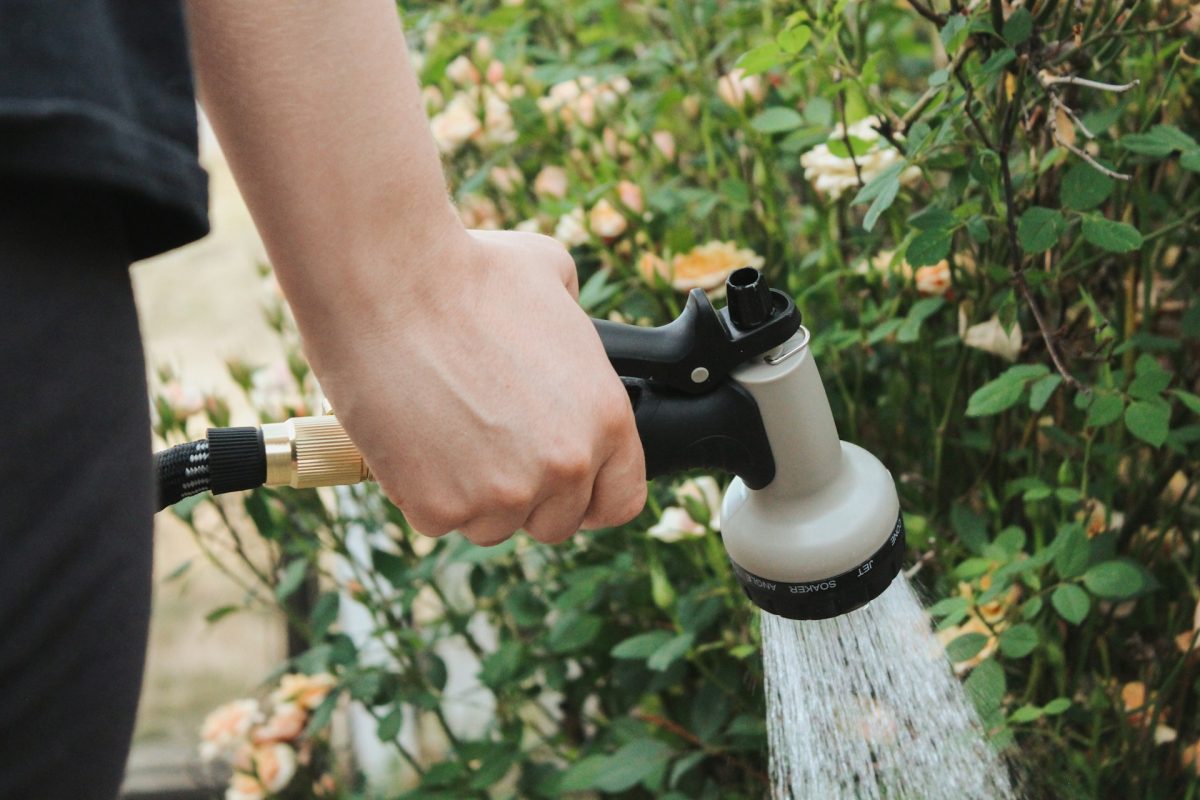
Yellow leaves often signal that plants have a water problem, and it can swing either way. Overwatering saturates roots, suffocating them and preventing oxygen from reaching tissues, while under-watering triggers stress responses that force leaves to conserve resources. Both extremes interrupt nutrient transport, leaving leaves pale and drooping.
Checking soil moisture regularly and adjusting irrigation methods creates stability for roots to recover. Adding mulch helps retain water evenly and buffers sudden weather changes, giving the plant a fighting chance against March’s unpredictable rhythms.
4. Pests and Disease: Tiny Enemies With Big Impact
Insects and fungi rarely wait for spring to announce themselves politely. Aphids, spider mites, or root-feeding nematodes suck sap or disturb roots, depriving plants of energy and triggering yellow leaves. Fungal infections like root rot or powdery mildew also interfere with nutrient absorption, leaving leaves discolored and weakened.
Inspecting plants carefully, isolating affected specimens, and applying appropriate treatments can stop the spread before it devastates an entire garden. Vigilance in March matters because early intervention often prevents more serious infestations or permanent damage.
5. Light Levels: Winter’s Lingering Shadow
The sun slowly climbs higher in the sky, but March light can still fall short of what some plants need. Yellowing leaves sometimes indicate insufficient sunlight, especially for indoor or container-grown specimens. Chlorophyll production slows when light is weak, and leaves start to pale, appearing tired and dull.
Adjusting plant placement to brighter locations, supplementing with grow lights, and rotating pots so all sides receive sunlight can reignite growth. Proper light exposure in early spring sets the tone for the plant’s full season ahead, turning sluggish leaves back into vibrant green displays.
6. Root Health: The Foundation of Everything
Roots do the heavy lifting that leaves take credit for. Compacted soil, poor drainage, or mechanical damage from digging or pets can compromise root function. Once roots struggle to absorb water and nutrients efficiently, yellow leaves emerge as the most visible symptom.
Checking root systems periodically, loosening soil carefully, and using root stimulants or organic amendments can restore function. Healthy roots transform the entire plant’s energy balance, allowing leaves to return to full green vigor and improving resilience against future stressors.
7. Environmental Shifts: Temperature, Humidity, and Wind
March doesn’t just bring temperature swings—it can bring wind, dry air, and unexpected precipitation that shake plants physically and physiologically. Sudden cold snaps can freeze fine root hairs while warm days trick leaves into early growth, creating internal stress.
Low humidity dehydrates foliage, intensifying yellowing and curling. Wind strips moisture from leaves and aggravates nutrient imbalance. Buffering plants from drafts, monitoring indoor humidity for houseplants, and protecting vulnerable outdoor specimens reduces stress signals, keeping leaves healthy and lush.
8. Overfertilization: When Too Much of a Good Thing Backfires
Applying fertilizer without attention to amounts or timing can create chemical burns that yellow leaves instead of feeding them. Excess salts draw moisture from roots, causing dehydration symptoms while leaving the plant unable to absorb nutrients properly. Correcting overfertilization involves flushing soil with water, stopping additional applications, and carefully resuming feeding on a measured schedule. Moderation restores balance, allowing leaves to regain color and preventing repeated stress cycles that can stunt growth.
There is no doubt that fertilizer is a good thing for your garden. But, like many good things, moderation is key. Too much fertilizer in your yard isn’t like a soft, gentle shower—it’s like drowning.
9. Seasonal Shedding: Natural Turnover
Not every yellow leaf signals crisis; some plants naturally shed older foliage as spring growth begins. Trees and shrubs may let go of leaves weakened over winter, clearing space for new shoots. Observing which leaves yellow and fall versus widespread discoloration helps distinguish normal seasonal change from stress-induced symptoms. Recognizing natural turnover prevents unnecessary panic and allows gardeners to focus on true issues, balancing intervention with patience.
The Green Path Forward
Watching plants closely through March reveals patterns and allows timely responses. Yellow leaves act as messages, signaling water needs, nutrient imbalances, pest attacks, or environmental stress. Maintaining consistent watering, monitoring soil health, adjusting light, and safeguarding roots transforms early warnings into actionable steps.
Small interventions today prevent bigger problems tomorrow, turning a potentially discouraging spring display into a vibrant, thriving garden. Understanding why leaves yellow empowers gardeners to act deliberately, not react blindly.
How do you interpret yellowing leaves in your garden this spring, and which strategies have brought your plants back to life? Share your experiences, tips, or observations in the comments below.
You May Also Like…
Experts Say This Winter Habit Is Causing Houseplants to Drop Leaves
How Your Garden’s Colour Palette Changes when the Leaves Are Gone
12 Ways to Build Soil Over Winter Using Leaves, Compost & More
Stop Raking! Why Leaving the Leaves Might Save Your Lawn
The Right Way to Move Houseplants Indoors Without Losing Leaves

Brandon Marcus is a staff writer for FrugalGardening.com at District Media, Inc., where he delivers practical gardening advice with a relatable, no-nonsense style. An avid amateur gardener, he holds a BA degree and with over ten years of professional writing experience, he is also an award-winning published author whose first book, Questions For Deep Thinkers, was released by Adams Media. His work has appeared in major publications including Fandom.com, CHUD.com, TheColdWire.com, and Fansided.com.
Leave a Reply