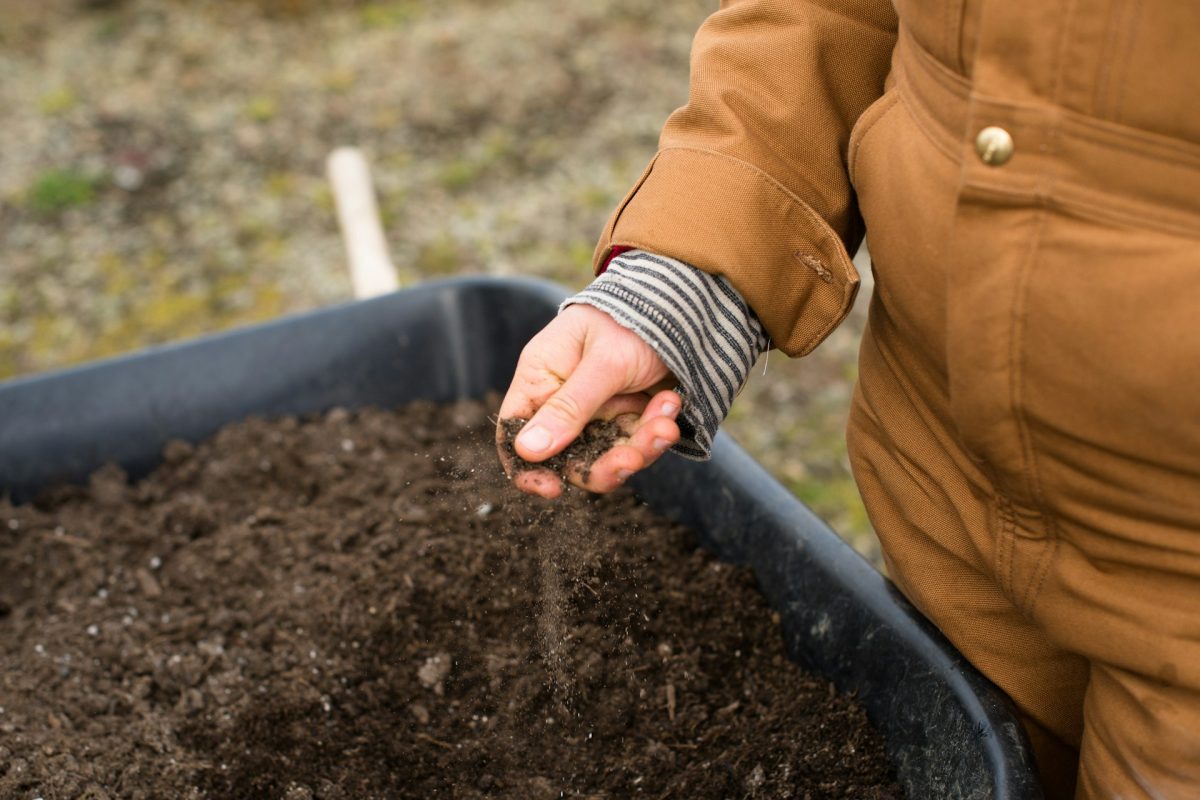
Sandy soil is like the ultimate frenemy of gardeners everywhere. It drains water faster than anyone can refill a watering can, washes away nutrients before plants have a chance to enjoy them, and leaves seeds tumbling into oblivion like they were auditioning for an escape act. Yet, sandy soil doesn’t have to be a curse; with a little creativity, a touch of patience, and a few inexpensive tricks, it can transform into a surprisingly friendly growing medium.
The key isn’t buying fancy bags of miracle soil—although that’s tempting—it’s understanding what sandy soil needs most and giving it a little TLC, one step at a time. Think of it as turning a fickle beach into a lush garden oasis without breaking the bank.
1. Turn Sand Into Sponge with Organic Matter
The most dramatic improvement to sandy soil comes from the simple, humble act of adding organic matter. Compost, leaf mold, well-rotted manure, or even shredded kitchen scraps act like magic sponges, absorbing water and holding it long enough for plants to actually drink. When these materials are incorporated into sandy beds, the soil suddenly starts to feel alive, spongy, and much easier for roots to navigate. Worm castings are the unsung heroes here, introducing essential nutrients while encouraging beneficial microbes to thrive.
The fun part is that you don’t need fancy tools—just layer, mix, and watch the soil begin to change its attitude. Over time, a garden bed that once felt like a desert can become rich, fertile ground that practically invites plants to grow.
2. Mulch Like Your Garden Depends on It
Mulching is one of those deceptively simple tricks that works wonders in sandy soil. Straw, grass clippings, shredded leaves, or wood chips form a protective blanket over thirsty sand, reducing evaporation, controlling weeds, and keeping roots cool in scorching sun. A three-to-four-inch layer around plants can transform a drying, lifeless bed into a lush, resilient garden zone. As it breaks down, mulch feeds the soil organically, creating a self-sustaining cycle that improves both texture and fertility.
Bonus points go to gardeners who raid their yard or a local farm for free mulch. Who doesn’t love saving money while giving their garden a spa day? Mulch is a secret weapon for your garden, and the good news is that you don’t need an awful lot to see a positive change in your plant growth.
3. Plant Your Way to Better Soil
Green manure and cover crops are like secret agents for sandy soil, quietly working to improve structure, enrich nutrients, and prevent erosion. Plants like clover, rye, and vetch fix nitrogen, protect the soil surface, and leave behind organic matter when chopped and turned into the ground. It’s a win-win: the soil gets stronger, microbes get a feast, and future crops grow in a richer, more stable environment.
Even small garden patches benefit from this technique. Watching the transformation from bare sand to living, thriving cover crop adds a touch of garden drama that’s surprisingly satisfying. If you want to feel like you did a job well done, this is a great way to do that.
4. Clay and Topsoil: The Perfect Partners
Sandy soil loves to drain, but sometimes it needs a bit of weight and structure, which is where clay and topsoil come in. Mixing in small amounts of clay-rich soil or nutrient-dense topsoil gives sandy beds the ability to hold moisture and nutrients longer without turning into a swamp. This creates a happy balance between drainage and fertility, allowing roots to dig deep while still staying hydrated.
Incorporating clay or topsoil isn’t just practical—it’s oddly satisfying to feel the sandy bed change under your hands, becoming heavier, denser, and ready to support more ambitious plantings. Even a modest investment in bulk materials pays off season after season.
5. Compost Tea: Liquid Gold
Compost tea sounds fancy, but it’s essentially a liquid boost that brings microbial life and nutrients straight to your plants’ roots. Steeping compost in water for 24 to 48 hours, straining, and applying it to the soil creates a gentle, nutrient-rich shower that stimulates growth and encourages beneficial microbes to flourish.
Unlike granular fertilizers, compost tea feeds the soil ecosystem directly, making sandy soil more resilient and fertile. It’s also an excellent way to use compost efficiently and gives gardeners the satisfaction of nurturing both the soil and the microbes living inside it. Watching plants perk up after a tea treatment feels like magic.
6. Sprinkle Some Minerals
Sandy soil often lacks trace minerals that support strong plant growth, but small amounts of rock dust, azomite, or greensand can restore what’s missing. These mineral amendments slowly release nutrients over time, enriching the soil and giving crops a long-term boost. It’s like adding a secret spice to a dish—the benefits aren’t always immediately visible, but the results show up as healthier, more resilient plants with better flavor and structure. Sprinkling mineral-rich powders into sandy beds is easy, affordable, and quietly powerful, turning deficient soil into a thriving, nutrient-rich foundation.
If you are curious about which minerals are right for your yard, visit your local garden center and ask an employee about what you’re trying to grow. Speaking to a local expert is ideal because they know the growing conditions you’ll be working with better than anyone else.
7. Water Smart, Not Hard
Sandy soil drains like a sieve, so adjusting watering practices makes a huge difference. Deep, infrequent watering encourages roots to grow downward instead of staying near the surface, creating stronger, more drought-resistant plants. Morning watering reduces evaporation and gives plants a full day to drink, while drip irrigation or soaker hoses target moisture exactly where it’s needed. Pairing smart watering with mulch is like giving the soil a double espresso: it stays hydrated, energized, and ready to support life in a way that sandy soil alone could never manage.
8. Pick Plants That Love the Sand
Even improved sandy soil favors certain types of plants. Drought-tolerant perennials like lavender, sedum, coneflower, and ornamental grasses flourish where water drains quickly. Vegetables like carrots, radishes, and melons grow deep roots and develop excellent texture and flavor in well-draining sand.
Matching plants to the environment takes the frustration out of the process and turns sandy plots into vibrant, productive gardens. It’s a strategic, low-cost approach that rewards observation, experimentation, and a little trial and error.
9. Let Worms Do the Heavy Lifting
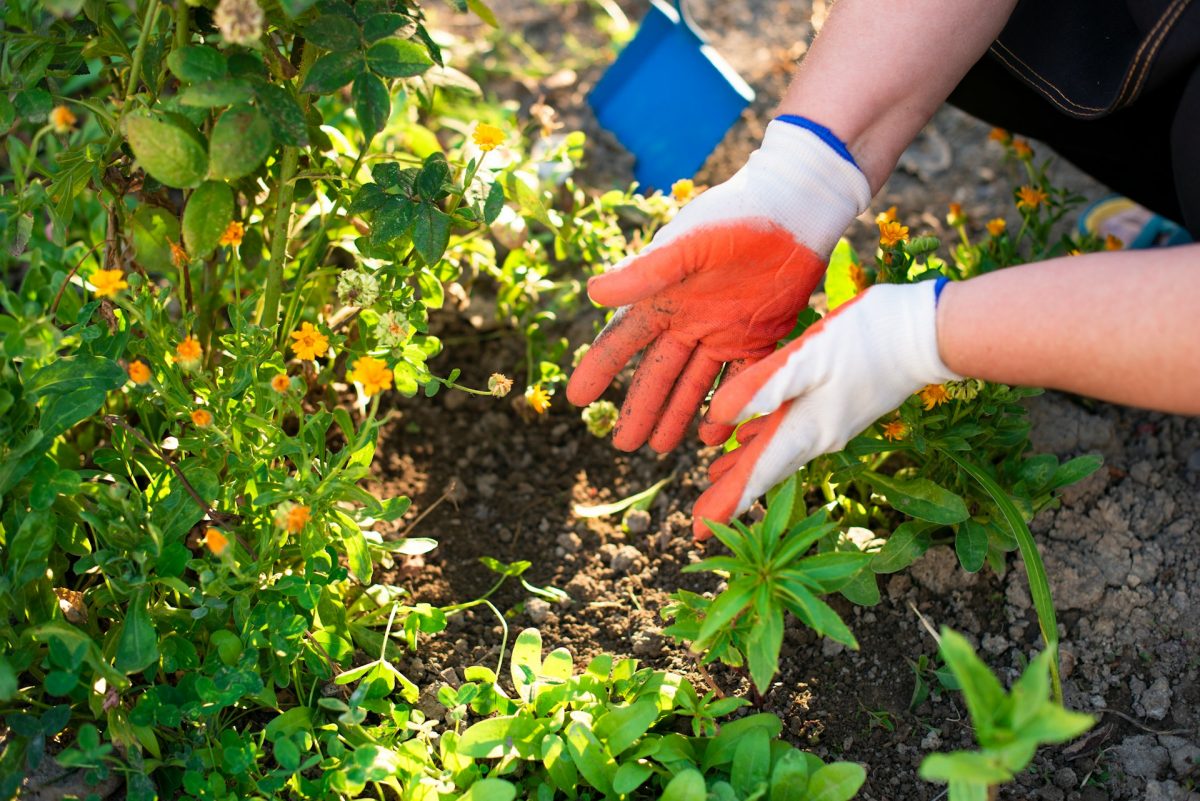
Earthworms are unsung heroes for sandy soil, working tirelessly to aerate, enrich, and improve soil structure. Their castings provide natural fertilizer, while their tunneling creates pathways for water and roots. Adding worms to sandy beds is like hiring an army of tiny soil engineers, making organic matter break down faster and keeping microbial life active.
Worms thrive on moisture and scraps, so maintaining a healthy, worm-friendly environment pays dividends in soil fertility over time. It’s low-cost, eco-friendly, and endlessly satisfying to see life bustling beneath the soil surface. Although you can certainly find worms living in the wild near your home, you can also visit a garden supply business and ask about acquiring some. They are usually sold at a very low cost.
Sandy Soil Success
Turning sandy soil into a garden powerhouse doesn’t require a fortune, just smart strategies, consistency, and a willingness to experiment. Organic matter, mulch, cover crops, minerals, strategic watering, and the right plants create a system where soil, plants, and microorganisms thrive together. Add patience, a little worm power, and a sense of fun, and sandy soil stops feeling like an enemy and starts behaving like a partner. Gardens that once struggled now flourish, proving that even the most challenging soil can blossom with the right approach.
Which of these strategies would transform your sandy soil the fastest, and which are you excited to try first? Share your successes, tips, or wild garden experiments in the comments below—every sandy soil story deserves a spotlight.
You May Also Like…
How to Fix Compacted Soil Without Renting Equipment
This Budget-Friendly Mulch Is Actually Acidifying Your Soil
The Hidden Cost of Buying “Pre-Fertilized” Soil
Why This Common Soil Habit Is Secretly Destroying Your Spring Garden
These 10 Garden Hacks Are Going Viral — But Experts Say Some Are Ruining Soil Health

Brandon Marcus is a staff writer for FrugalGardening.com at District Media, Inc., where he delivers practical gardening advice with a relatable, no-nonsense style. An avid amateur gardener, he holds a BA degree and with over ten years of professional writing experience, he is also an award-winning published author whose first book, Questions For Deep Thinkers, was released by Adams Media. His work has appeared in major publications including Fandom.com, CHUD.com, TheColdWire.com, and Fansided.com.
Leave a Reply