
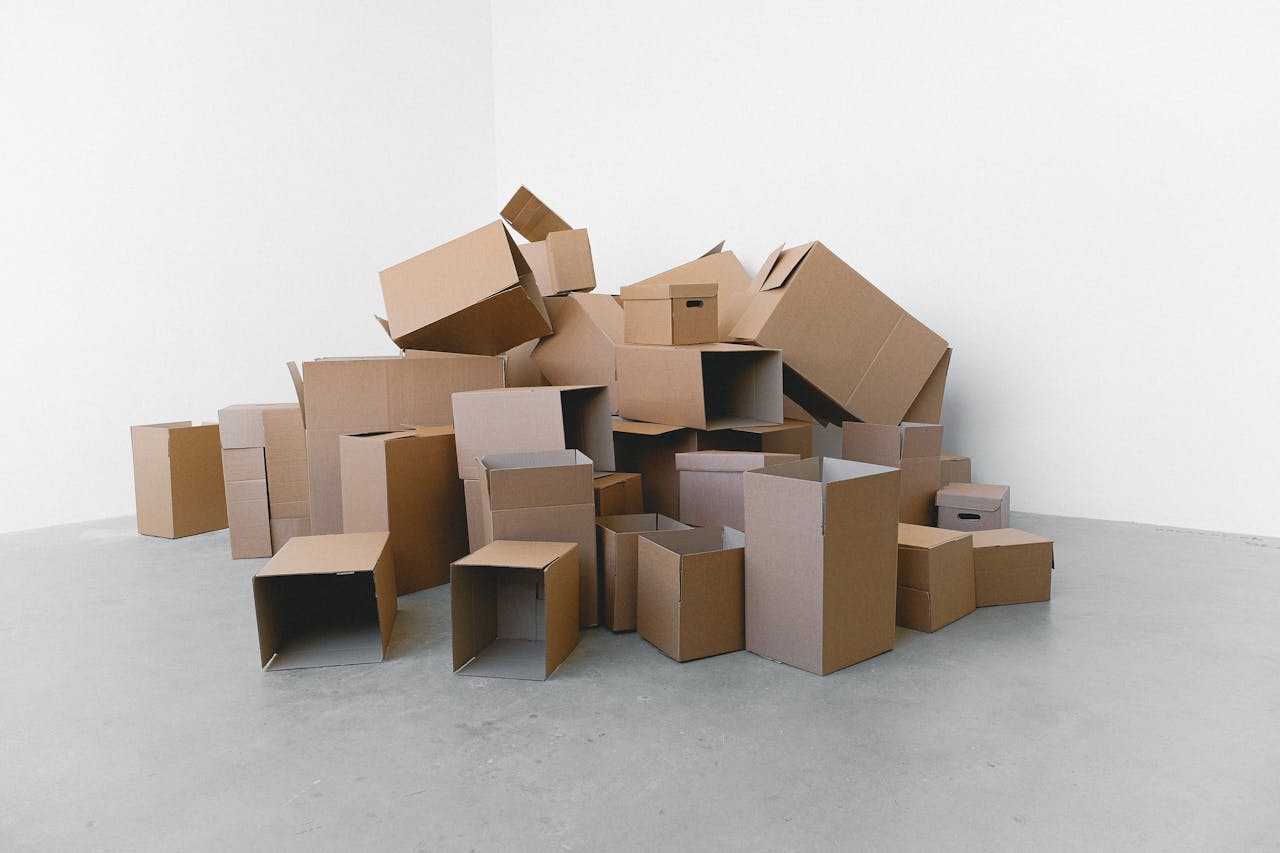
A pile of cardboard might look like recycling, but in the garden it becomes a quiet powerhouse. Gardeners constantly battle weeds, stubborn soil, and endless chores, yet one humble material tackles all three at once. Cardboard suppresses weeds, protects soil, feeds beneficial organisms, and helps create new garden beds without heavy digging. Anyone who spends time outdoors with plants quickly learns that the simplest tools often produce the biggest results.
Cardboard belongs firmly in that category. Instead of heading straight for the recycling bin, those plain brown boxes can shape healthier gardens, reduce work, and support thriving plants throughout the growing season.
The Weed Barrier That Actually Works
Weeds love opportunity, and bare soil gives them exactly what they want. Cardboard shuts down that opportunity with surprising efficiency. A single layer blocks sunlight, and without sunlight, most weed seeds cannot germinate. Gardeners who place cardboard directly on top of grass or invasive weeds immediately stop their growth and slowly weaken their roots.
This method forms the backbone of sheet mulching, a technique many organic gardeners rely on to build new planting areas. Cardboard lies flat against the soil and suffocates existing vegetation while still allowing moisture to move through. Unlike plastic weed barriers, cardboard eventually breaks down and blends into the soil rather than creating long-term waste.
Gardeners achieve the best results by soaking the cardboard before placing it on the ground. Wet cardboard molds itself to the soil surface and stays in place even during windy weather. A thick layer of mulch, compost, or soil on top completes the setup and prevents edges from lifting. Over time, the weeds disappear, and the soil beneath grows richer and softer.
Turning Tough Ground Into Plant-Friendly Soil
Hard, compacted soil frustrates even experienced gardeners. Roots struggle to spread, water runs off the surface, and plants never reach their potential. Cardboard offers a surprisingly effective solution. When gardeners cover the ground with cardboard and organic mulch, the environment beneath begins to change. Earthworms move upward to feed on the decomposing material. Microbes break down the cardboard and convert it into organic matter. This activity loosens compacted soil and improves its structure.
The process requires patience, but the results reward that patience. Within a season, the ground often shifts from dense and lifeless to soft and workable. Garden beds prepared with cardboard often support stronger root systems and healthier plants because the soil underneath holds moisture and nutrients more effectively.
Gardeners who want to transform a tough patch of lawn into a planting area often rely on this approach because it eliminates the need for digging or heavy equipment. Cardboard simply starts the natural rebuilding process.
A Secret Ingredient for Rich Compost
Compost piles need balance. Too many food scraps create a soggy mess, while too many dry materials slow decomposition. Cardboard solves that problem by providing a valuable carbon source. Shredded cardboard counts as a “brown” material in compost terminology. These carbon-rich ingredients balance “green” materials such as fruit scraps, vegetable peels, and fresh grass clippings. When compost piles contain the right ratio of browns and greens, microbes break everything down faster and produce rich, earthy compost.
Gardeners should remove tape and glossy labels before adding cardboard to compost. Plain corrugated cardboard breaks down easily and safely. Smaller pieces speed up decomposition because microbes gain more surface area to work on.
A steady supply of cardboard helps compost piles stay active throughout the season. Instead of struggling with wet, smelly piles, gardeners maintain a balanced system that transforms kitchen scraps and yard waste into valuable soil food.
Moisture Control Without Fancy Equipment
Healthy gardens rely on steady moisture, yet soil dries out quickly during warm weather. Cardboard helps slow that process by acting as a moisture barrier that reduces evaporation. When gardeners place cardboard beneath mulch, the material traps moisture in the soil while still allowing rainwater to pass through. Plants benefit from longer periods of consistent hydration, which reduces stress and supports steady growth.
This method proves especially helpful in vegetable gardens where crops depend on reliable moisture levels. Tomatoes, peppers, squash, and leafy greens all respond well to stable soil conditions. Cardboard encourages those conditions without requiring complicated irrigation systems or expensive materials.
Gardeners should avoid placing cardboard directly around the stems of young plants. A small gap around the base allows proper airflow and prevents excess moisture from collecting near delicate stems.
An Easy Way to Build Brand-New Garden Beds
Starting a new garden bed often demands serious labor. Many people reach for shovels or rent equipment to remove turf and weeds. Cardboard offers a far easier approach. Gardeners can build raised beds or in-ground planting areas directly on top of existing grass by layering cardboard over the surface. A thick layer of compost, soil, or mulch goes on top. The cardboard slowly breaks down while the grass underneath dies off.
Within a few months, the area turns into usable garden space. Plants can grow directly in the top layer while the soil ecosystem develops beneath. This method saves time, reduces physical strain, and protects soil organisms that digging might disrupt. Cardboard also helps define garden paths. A layer placed beneath gravel, wood chips, or mulch prevents weeds from pushing through walking areas. The result creates clean, low-maintenance pathways that keep gardens tidy and accessible.
The Budget-Friendly Garden Hack
Gardening supplies add up quickly. Mulch, weed barriers, soil amendments, and landscaping materials often cost more than expected. Cardboard offers a practical solution because it usually costs nothing. Most households accumulate boxes from deliveries, grocery stores, and everyday purchases. Local stores often give away extra boxes as well. Instead of sending that material straight into recycling, gardeners can put it to work outdoors.
Cardboard replaces several products that garden centers commonly sell. It functions as a weed barrier, a compost ingredient, a soil builder, and a mulch base. Few materials offer that level of versatility at such a low cost. Gardeners should avoid heavily printed cardboard or wax-coated boxes because those materials break down slowly and may contain unwanted chemicals. Plain brown corrugated cardboard remains the safest and most effective option.
The Real Magic Happens Underground
Cardboard may look plain on the surface, but underground activity tells a different story. Soil organisms treat cardboard as a buffet of carbon-rich material. Bacteria, fungi, insects, and worms all participate in the slow breakdown process. As these organisms consume cardboard, they release nutrients back into the soil. That activity improves soil fertility and strengthens the entire ecosystem beneath the garden. Plants benefit from stronger microbial partnerships, which support nutrient uptake and root development.
Healthy soil depends on life, and cardboard helps feed that life. Gardeners who focus on soil health often discover that simple materials like cardboard outperform many store-bought solutions.
The Box That Quietly Transforms a Garden
A cardboard box rarely inspires excitement, yet it delivers remarkable results in the garden. It suppresses weeds, builds fertile soil, supports compost systems, and helps gardeners create new planting spaces without exhausting labor. Few materials offer such flexibility while remaining affordable and environmentally responsible.
Gardeners who experiment with cardboard often discover that the simplest ideas produce the strongest impact. A stack of flattened boxes can become a weed barrier, a soil builder, and a foundation for thriving plants all at once.
What creative ways have you used cardboard in your garden? We definitely want your pointers in our comments section!
You May Also Like…
Why Slugs and Snails Thrive After Spring Rain
How to Prep Garden Beds Without Buying Bagged Mixes
The Compost Mistake That Wastes Money Every Spring
8 Winter Compost Additives That Speed Up Breakdown
Why Your Compost Bin Could Be Breeding a Fungus That Kills Seedlings

Brandon Marcus is a staff writer for FrugalGardening.com at District Media, Inc., where he delivers practical gardening advice with a relatable, no-nonsense style. An avid amateur gardener, he holds a BA degree and with over ten years of professional writing experience, he is also an award-winning published author whose first book, Questions For Deep Thinkers, was released by Adams Media. His work has appeared in major publications including Fandom.com, CHUD.com, TheColdWire.com, and Fansided.com.
Leave a Reply