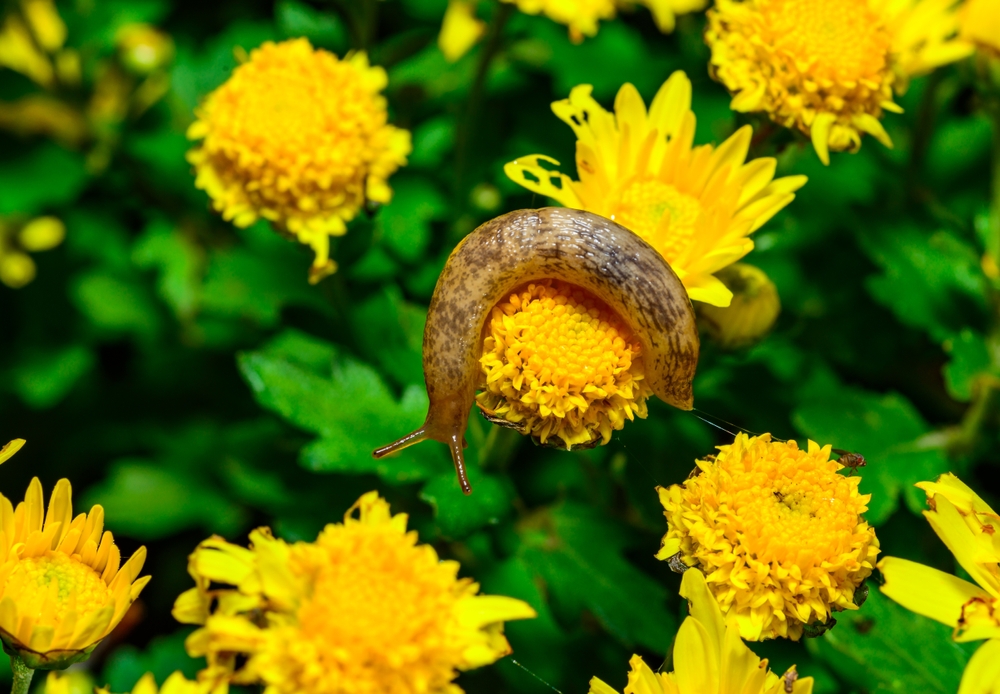
A garden border should feel like the proud frame around a beautiful painting, not a buffet line for every bug, slug, and nibbling critter in the neighborhood. Healthy flowers, herbs, and vegetables deserve strong defenses, and a smart gardener builds those defenses long before pests settle in for dinner. Garden borders attract attention because they sit right at the edge of lawns, paths, and fences, which means pests notice them first and often. Beetles crawl in, rabbits hop over, slugs slide under leaves, and suddenly that gorgeous row of plants looks like someone attacked it with a tiny fork.
The good news involves strategy, creativity, and a little personality in the garden. Strong borders can actually discourage pests before they start chewing. A few thoughtful tricks can turn that vulnerable edge into one of the toughest spots in the entire yard.
Build a Border That Outsmarts Hungry Visitors
Strong garden borders begin with smart design, and that design starts long before pests arrive. Plants placed tightly together create a buffet line, while thoughtful spacing forces pests to travel farther and work harder for every bite. Gardeners who mix plant types along borders often notice fewer pest problems because the variety confuses insects that hunt for one specific crop. Marigolds, lavender, rosemary, and other fragrant plants release strong scents that many insects avoid, and those scents form a natural shield along the edge of the garden. A border that blends flowers with vegetables or herbs creates visual beauty while also disrupting pest patterns. That mix keeps the garden lively and dynamic instead of predictable. Pests prefer predictable.
Smart gardeners also think about plant height when planning a border. Taller plants such as sunflowers or ornamental grasses create a natural barrier that slows flying insects and small animals that approach from the outside. A layered look with tall plants in back, medium plants in the middle, and shorter plants near the path gives the garden structure while making it harder for pests to move through easily. This arrangement also improves airflow, which helps prevent fungal diseases that pests often exploit. A healthy plant resists damage far better than a stressed one. Good design does more than create beauty; it quietly builds defense. That border becomes the garden’s front line instead of its weakest point.
Let Nature Join the Security Team
A garden does not have to fight pests alone because nature already provides a powerful pest-control squad. Ladybugs, lacewings, frogs, birds, and beneficial beetles all feast on insects that damage plants. Gardeners who encourage these helpers often watch pest problems shrink without any chemicals or complicated tricks. Small water features, bird feeders, and native flowers attract wildlife that naturally patrols the garden. Even a simple birdbath can turn the yard into a lively ecosystem that works around the clock.
Plant choices also play a huge role in inviting these natural allies. Dill, fennel, yarrow, and cosmos attract beneficial insects that hunt aphids, caterpillars, and other troublemakers. These helpful predators patrol the border like tiny security guards and keep pest populations under control. A healthy garden ecosystem creates balance rather than constant battle. When beneficial insects thrive, harmful pests lose their advantage. Garden borders that welcome this natural defense system often stay vibrant and productive without heavy intervention.
Patience helps here as well because nature does not rush. Beneficial insects need time to discover the garden and settle in. Gardeners who resist the urge to eliminate every bug quickly see which insects actually help protect the plants. Over time, that living defense network becomes stronger and more reliable. A lively garden full of birds and insects may look busy, but that activity signals a healthy environment. The border transforms into a miniature wildlife refuge that quietly guards the plants.
Physical Barriers That Actually Work
Sometimes pests need a clear message that the buffet closed permanently, and physical barriers deliver that message quickly. Garden netting offers one of the simplest and most effective tools for protecting delicate plants. Lightweight mesh blocks insects from reaching leaves while still allowing sunlight, rain, and air to pass through. Gardeners often drape this netting over simple hoops or frames to create protective tunnels along the border. That small structure protects crops like lettuce, kale, and strawberries from insects that love tender leaves.
Fencing also plays a powerful role, especially when rabbits, deer, or other animals visit the yard. A small decorative fence around the border can stop many animals before they step inside. Chicken wire works well for low barriers, while taller mesh fencing helps block larger animals that jump or climb. The key lies in securing the bottom edge firmly into the soil because many animals attempt to dig underneath. A few inches buried underground prevents those escape artists from sneaking inside.
Copper tape or copper mesh can also discourage slugs and snails along garden edges. These slimy visitors dislike the mild electrical reaction they experience when their bodies touch copper surfaces. Gardeners who wrap raised beds or border planters with copper tape often notice dramatic reductions in slug damage. These physical barriers work quietly day and night without harming the garden’s ecosystem. A well-protected border keeps pests outside while plants continue growing happily inside.
Smells, Sprays, and Natural Repellents
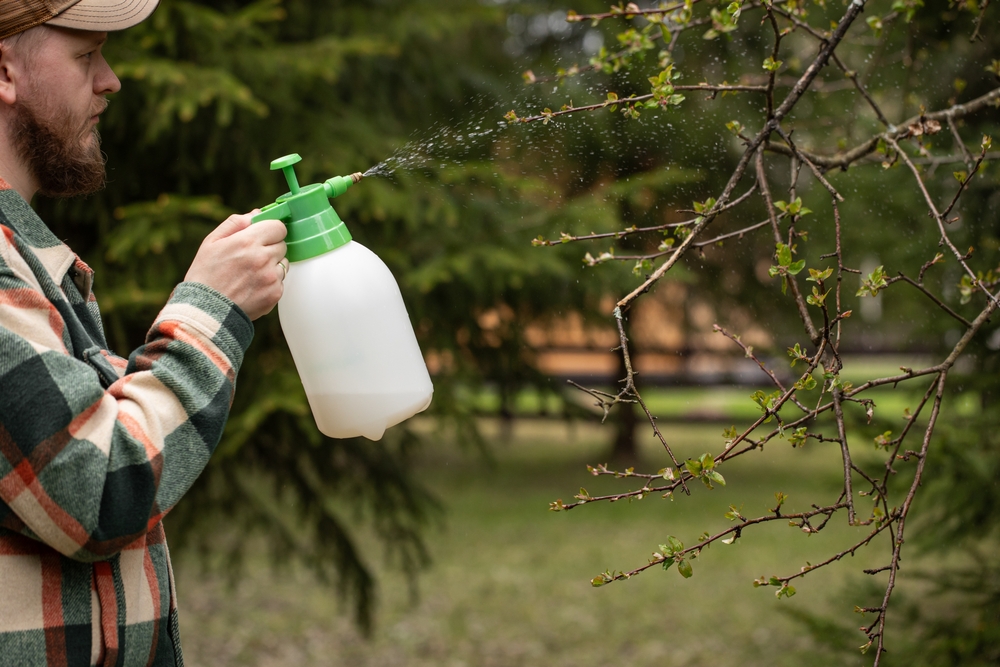
Some pests rely heavily on smell when searching for food, which means strong scents can send them wandering elsewhere. Garlic spray, neem oil, and diluted soap solutions often discourage insects that chew on leaves or suck plant juices. Gardeners who apply these natural sprays early in the morning protect plants while avoiding harm to beneficial insects that remain less active during those hours. Consistency matters here because repeated applications keep the scent barrier strong.
Companion planting also creates powerful scent defenses right in the soil. Basil near tomatoes helps repel certain insects that attack tomato plants. Mint near cabbage or kale may discourage cabbage moths that lay destructive eggs. Onions and chives release sulfur compounds that confuse pests searching for softer plants nearby. This strategy turns the border into a fragrant wall that disrupts the insect navigation system.
Gardeners should still stay mindful when using even natural sprays. Overuse can disturb helpful insects or damage delicate plants. Testing any spray on a small section first ensures the mixture behaves safely. Natural pest control works best when gardeners combine it with good soil care, healthy watering habits, and strong plant selection. Healthy plants naturally resist pests far better than weak ones.
Healthy Soil Creates a Tougher Garden
Pests love weak plants because weak plants cannot defend themselves effectively. Healthy soil creates strong plants, and strong plants handle occasional pest visits without major damage. Compost plays a huge role here because it enriches soil with nutrients and beneficial microorganisms that support plant health. Gardeners who add compost regularly often see plants grow thicker stems, stronger leaves, and deeper roots.
Mulch also strengthens garden borders while improving soil conditions. Organic mulch such as shredded bark, straw, or leaf mold helps retain moisture and regulate temperature. This stable environment allows plant roots to grow steadily without stress. Many pests prefer dry, cracked soil or overly damp environments, so balanced soil conditions help keep populations under control. Mulch also discourages weeds that compete with plants for nutrients.
Healthy soil acts like the garden’s immune system. Plants grown in rich soil produce stronger natural defenses against insects and disease. Balanced watering, proper sunlight, and regular soil care all work together to support that resilience. A thriving border filled with healthy plants naturally becomes less appealing to pests looking for an easy meal.
The Real Secret to Pest-Proof Borders
Great garden borders do not rely on a single trick or product. Smart gardeners combine thoughtful design, natural predators, protective barriers, healthy soil, and a few clever repellents to build layers of defense. Each strategy strengthens the next one, and together they create a garden that feels vibrant rather than constantly under attack. Pests may still appear from time to time because nature always stays active, but a well-prepared border prevents small problems from turning into disasters. Healthy plants bounce back quickly, beneficial insects maintain balance, and physical barriers keep the worst invaders outside. Gardening always includes a little trial and error, but each season teaches new lessons about what works best.
Which pest gives the biggest headache in the garden right now, and which trick has helped fight it off? Share ideas, stories, and clever strategies in the comments so everyone can grow stronger borders together.
You May Also Like…
March Garden Pests That Show Up Before You Notice the Damage
12 Of The Worst Garden Pests And How To Get Rid Of Them
This One Winter Gardening Habit Could Be Spreading Invasive Pests Across the South
Termite Prevention Tips for Raised Beds

Brandon Marcus is a staff writer for FrugalGardening.com at District Media, Inc., where he delivers practical gardening advice with a relatable, no-nonsense style. An avid amateur gardener, he holds a BA degree and with over ten years of professional writing experience, he is also an award-winning published author whose first book, Questions For Deep Thinkers, was released by Adams Media. His work has appeared in major publications including Fandom.com, CHUD.com, TheColdWire.com, and Fansided.com.
Leave a Reply