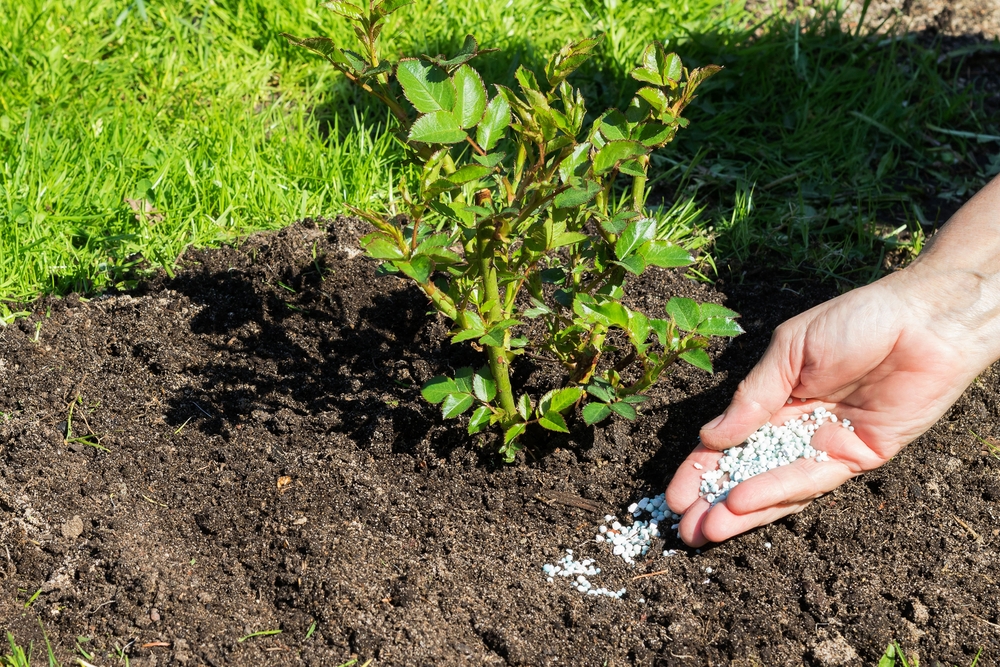
Ever wondered if there’s a world where plants grow lush and healthy without demanding a weekly feeding frenzy? It’s not a fantasy. Some plants thrive with barely any fertilizer, giving gardeners the joy of greenery without the constant fuss of nutrient schedules or chemical bottles. Whether it’s a houseplant that perks up a dreary corner or an outdoor garden that refuses to quit, these resilient green warriors make a statement: they don’t need handouts to look spectacular.
This isn’t about lazy gardening—it’s about smart, savvy choices that give maximum results with minimal input. For anyone tired of juggling fertilizers, pruning schedules, and watering alarms, these plants offer a refreshing alternative. They prove that thriving greenery doesn’t have to be complicated, expensive, or stressful.
1. Green Warriors That Laugh at Fertilizer
Some plants just don’t care about fancy fertilizer blends—they grow strong and showy with almost nothing. Succulents, for example, are the undisputed champions of low-maintenance living. Species like echeveria, haworthia, and sempervivum store water and nutrients in their leaves, letting them survive long periods without feeding. Even when soil nutrients dip low, these little rosettes keep plumping up, providing dramatic color and texture to any garden or indoor display. For gardeners who love bold shapes but hate constant attention, succulents offer a reliable solution. They thrive in well-draining soil and enjoy bright light, which naturally encourages healthy growth without additional fertilizers.
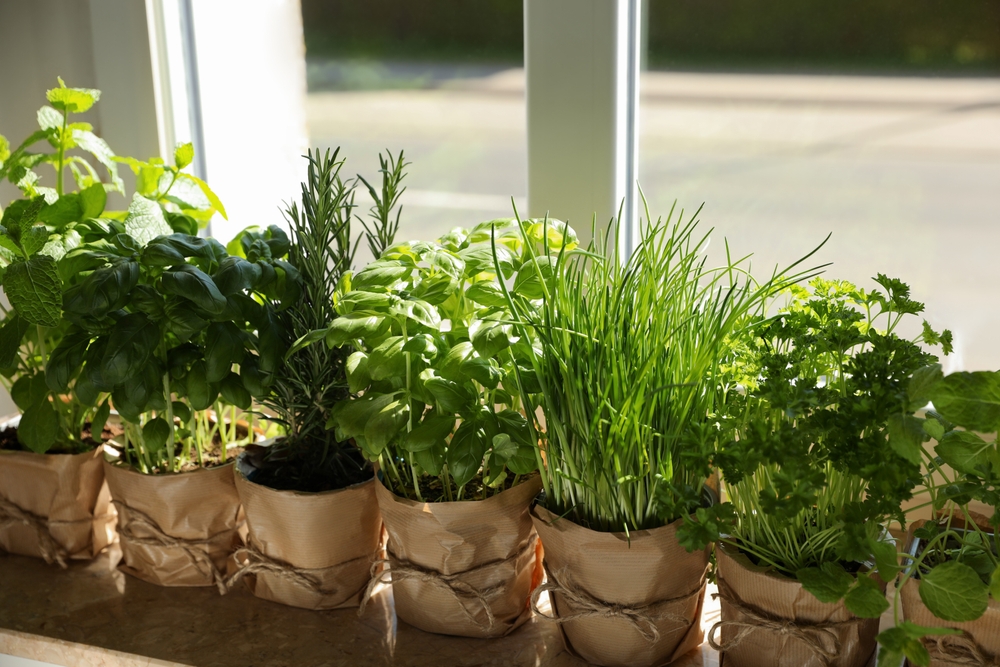
Herbs also make the list of hardy, low-fertilizer plants. Rosemary, thyme, and oregano can flourish in modest soil with minimal feeding, especially when paired with plenty of sunlight. These plants focus on survival over indulgence, which means their flavors intensify without copious nutrients. Adding these herbs to your garden or kitchen window gives you a functional, fragrant, and attractive plant display that doesn’t need pampering. Even the soil can stay relatively poor, and they will continue producing robust foliage year after year. Herbs are not only beautiful—they are practical, edible, and fragrant companions that reward restraint over indulgence. Minimal fertilizer keeps them from growing leggy or losing their essential oils. This makes them ideal candidates for busy gardeners who want beauty and utility in equal measure.
2. Hardy Houseplants That Don’t Beg
Houseplants often get a bad rap for demanding endless feeding, but many species are tough enough to thrive without it. Snake plants, also known as Sansevieria, are perfect examples. They tolerate low light, sporadic watering, and a general lack of fertilizer, yet their sword-like leaves look sharp and polished year-round. Even with minimal soil nutrients, snake plants maintain their structure and vibrant green patterns, making them excellent choices for indoor spaces. These plants prove that style doesn’t have to come with constant care or monthly fertilizer rituals. They adapt to a wide range of conditions and actually prefer slower growth, which happens naturally with less feeding.
ZZ plants are another indoor superstar that thrives without constant fertilization. With waxy, dark green leaves, they can survive low light and irregular watering, making them perfect for people who sometimes forget their plants. Fertilizer is optional; these plants store resources in their thick stems, ensuring steady growth even in challenging conditions. The ZZ plant’s ability to withstand neglect while still looking elegant makes it a must-have for low-maintenance plant lovers. Even small doses of fertilizer occasionally can help them flourish, but they never demand attention to survive.
3. Outdoor Survivors That Laugh at the Odds
When it comes to outdoor gardens, a few champions shine without constant feeding. Lavender is one such example. This fragrant, silvery plant thrives in poor, sandy soils and tolerates dry conditions better than most. Its modest nutrient needs actually improve its flavor and aroma, making it more aromatic when not over-fertilized. Planted along borders or in sunny patches, lavender offers vivid color and irresistible scent while requiring minimal human intervention. Regular watering is more important than nutrient boosts, and even drought periods won’t stop it from putting on a show.
Sedum, another outdoor favorite, epitomizes minimal-fertilizer success. These hardy perennials spread in sunny spots and require almost no care beyond occasional pruning. Their thick leaves retain moisture and nutrients, enabling them to survive drought and nutrient-poor soils. Sedums attract pollinators, adding life to any garden without requiring chemical fertilizers or specialized soil. Planting them along rocky slopes, garden edges, or planters ensures long-lasting color and texture with minimal effort. These plants make it clear that the less fuss, the better—thriving naturally while keeping gardens lively and engaging.
4. Herbs That Reward Restraint
Beyond aesthetics, certain herbs prove that restraint pays off. Sage, basil, and mint perform beautifully with minimal nutrient input when grown in containers or garden beds with decent soil. Too much fertilizer can make them leggy or reduce their aromatic oils, so light feeding—or none at all—often produces the tastiest, most fragrant leaves. Their growth patterns naturally regulate themselves, and harvesting encourages fresh, vigorous shoots without the need for fertilizer. Culinary gardeners benefit from both flavor and convenience, gaining healthy plants that stay compact and vibrant. Herbs like these demonstrate the principle that less can be more—less work, less fertilizer, but still an abundant and rewarding harvest.
Parsley and chives also fit this profile, performing well with just occasional feeding during their active growing seasons. Their green foliage adds charm to windowsills and outdoor gardens alike. Even gardeners with limited experience can enjoy bountiful, flavorful harvests without the pressure of routine fertilization. The minimal-maintenance approach encourages healthier plants and reduces the risk of over-fertilization, which can lead to weak stems or poor flavor. Herbs in particular show that natural growth cycles often outperform overindulgent feeding strategies. They make a powerful argument for smart, light-touch gardening.
Thriving With Minimal Fuss
The best part about low-fertilizer plants is the freedom they offer. They give the satisfaction of vibrant, healthy greenery without turning gardening into a full-time job. Choosing plants that store nutrients, tolerate drought, or prefer lean soil turns any space into a low-maintenance paradise. From hardy houseplants to outdoor bloomers and flavorful herbs, these species prove that resilience and beauty can coexist with simplicity. They invite gardeners to focus on enjoyment rather than constant intervention.
Minimal fertilization doesn’t mean minimal results—it means smarter choices, healthier plants, and more time to appreciate them. Gardens and indoor spaces become dynamic, lively, and visually stunning without the endless cycle of feeding and fertilizing.
Which of these low-maintenance champions will you bring into your space, and what tricks or strategies have you discovered to keep plants happy with minimal fuss? Share your thoughts, experiences, or favorite low-fertilizer success stories in the comments.
You May Also Like…
When It’s Better Not to Fertilize in Spring
How to Turn Household Waste Into Garden Fertilizer
The Hidden Cost of Buying “Pre-Fertilized” Soil
The Hidden Cost of War: How Fertilizer Disruptions Push Grocery Bills Higher
Plants You Can Still Start Indoors for Free

Brandon Marcus is a staff writer for FrugalGardening.com at District Media, Inc., where he delivers practical gardening advice with a relatable, no-nonsense style. An avid amateur gardener, he holds a BA degree and with over ten years of professional writing experience, he is also an award-winning published author whose first book, Questions For Deep Thinkers, was released by Adams Media. His work has appeared in major publications including Fandom.com, CHUD.com, TheColdWire.com, and Fansided.com.
Leave a Reply