
A lawn full of lush green grass sends a powerful message. It signals care, pride, and a yard that invites people to linger a little longer. Bare patches, on the other hand, stand out like missing puzzle pieces, turning an otherwise beautiful space into something that looks neglected and tired. Many homeowners assume sod is the only solution, but that assumption can drain a wallet faster than a summer heat wave dries out a lawn.
Sod works, but it isn’t the only path to a thick, healthy yard. In fact, several smarter, cheaper methods can repair those patchy areas while strengthening the entire lawn at the same time. With a little patience and a few simple techniques, those lifeless patches can transform into thick grass without spending a fortune on new rolls of turf.
Figure Out Why the Grass Left the Party
Bare spots rarely appear without a reason, and solving the mystery is the first step toward fixing the problem for good. Grass disappears because of heavy foot traffic, compacted soil, pet damage, pests, drought stress, or even poor soil nutrients. Throwing seed over the area without addressing the root cause usually leads to disappointment because the same conditions that killed the grass will happily destroy the new growth as well. A close inspection often reveals clues, such as hard soil that feels like concrete, discolored grass nearby, or small tunnels created by insects.
Understanding the cause allows the repair strategy to match the problem instead of relying on guesswork. Compacted soil, for example, needs loosening before grass can thrive, while nutrient-poor soil needs compost or fertilizer to support growth. Pet damage may require flushing the area with water before planting new seed. Once the cause becomes clear, the lawn finally gets a chance to recover rather than repeat the same cycle of thinning and dying.
Give the Soil Some Breathing Room
Healthy grass roots need oxygen, water, and space to grow, but compacted soil squeezes all three out of the picture. Lawns often develop this problem in areas where people walk frequently or where heavy equipment once sat. The soil becomes so dense that grass roots struggle to push through it, leaving bare patches that refuse to fill in. Fortunately, fixing this problem requires only a little elbow grease and a simple garden tool.
A hand rake, garden fork, or core aerator can loosen the soil and create pockets where roots can expand comfortably. Breaking up the top couple of inches allows air and water to penetrate the surface while encouraging new growth. Once the soil loosens up, grass seeds gain a welcoming environment rather than a brick wall.
Overseeding: The Budget-Friendly Lawn Rescue
Overseeding is one of the most effective and affordable ways to repair patchy grass. Instead of replacing the lawn with sod, overseeding introduces new grass seed into existing turf and bare areas. The process thickens the lawn naturally, creating a fuller and healthier appearance over time. Choosing a seed blend that matches the existing grass ensures the repaired areas blend seamlessly with the rest of the yard.
Preparing the area before overseeding increases success dramatically. Loosen the soil, remove debris, and spread a thin layer of compost or topsoil over the patch. Scatter grass seed evenly across the area and gently rake it into the soil so it makes solid contact with the ground. A light layer of straw or mulch helps retain moisture and protect the seeds from birds or strong winds. Regular watering keeps the soil consistently moist until the new grass establishes itself. Overseeding may take a little patience, but the reward is a thicker lawn that fills bare spots naturally without the expense of sod.
Compost: The Secret Ingredient Under Your Feet
Grass thrives when the soil beneath it holds nutrients, moisture, and life. Compost delivers all three in one powerful package, making it an ideal tool for repairing bare patches. A thin layer spread across the damaged area feeds the soil while improving its ability to hold water. This small addition can transform lifeless dirt into fertile ground that encourages strong grass growth.
Compost also improves soil texture, helping sandy soil retain moisture and helping clay soil drain more effectively. Beneficial microorganisms flourish in compost-rich soil, creating an environment where grass roots can thrive. When seeds germinate in this nutrient-rich layer, they develop stronger roots and healthier blades of grass. Over time, the lawn becomes more resilient and better able to resist drought, pests, and stress. A shovel of compost may not look dramatic at first glance, but it quietly powers some of the most impressive lawn transformations.
Water Smart, Not Constantly
New grass needs water, but the timing and method matter more than the quantity. A constant flood of water can wash seeds away or create soggy conditions that prevent healthy roots from forming. Consistent but gentle watering gives seeds the moisture they need without drowning them. The soil should stay slightly damp during germination, which usually takes one to three weeks depending on the grass variety.
Morning watering works best because it allows moisture to soak into the soil before the heat of the day arrives. Evening watering sometimes encourages fungal growth, especially when grass blades remain wet overnight. Once the new grass reaches a few inches tall, watering can become less frequent but deeper, encouraging roots to grow downward in search of moisture. This strategy builds stronger turf that survives summer heat far better than shallow-rooted grass. Smart watering turns a fragile patch into a durable piece of lawn that blends beautifully with the rest of the yard.
Feed the Lawn and It Will Return the Favor
Grass behaves like any other living plant: it needs nutrients to grow strong and thick. Bare patches often signal soil that lacks nitrogen, phosphorus, or potassium, which are essential for healthy growth. A balanced lawn fertilizer can jumpstart recovery and encourage new grass to spread into thin areas. Applying fertilizer at the right time gives young seedlings the boost they need to establish themselves quickly.
Slow-release fertilizers work particularly well because they feed the lawn gradually over time. This steady nutrition helps prevent sudden growth spurts followed by weak, thin grass. Pairing fertilizer with overseeding creates an especially powerful combination, as the nutrients support both existing grass and newly germinated seedlings. Within a few weeks, the lawn begins to fill in and regain its lush appearance. Healthy soil and consistent feeding allow grass to repair itself naturally, making the lawn stronger with each growing season.
Mowing Matters More Than People Think
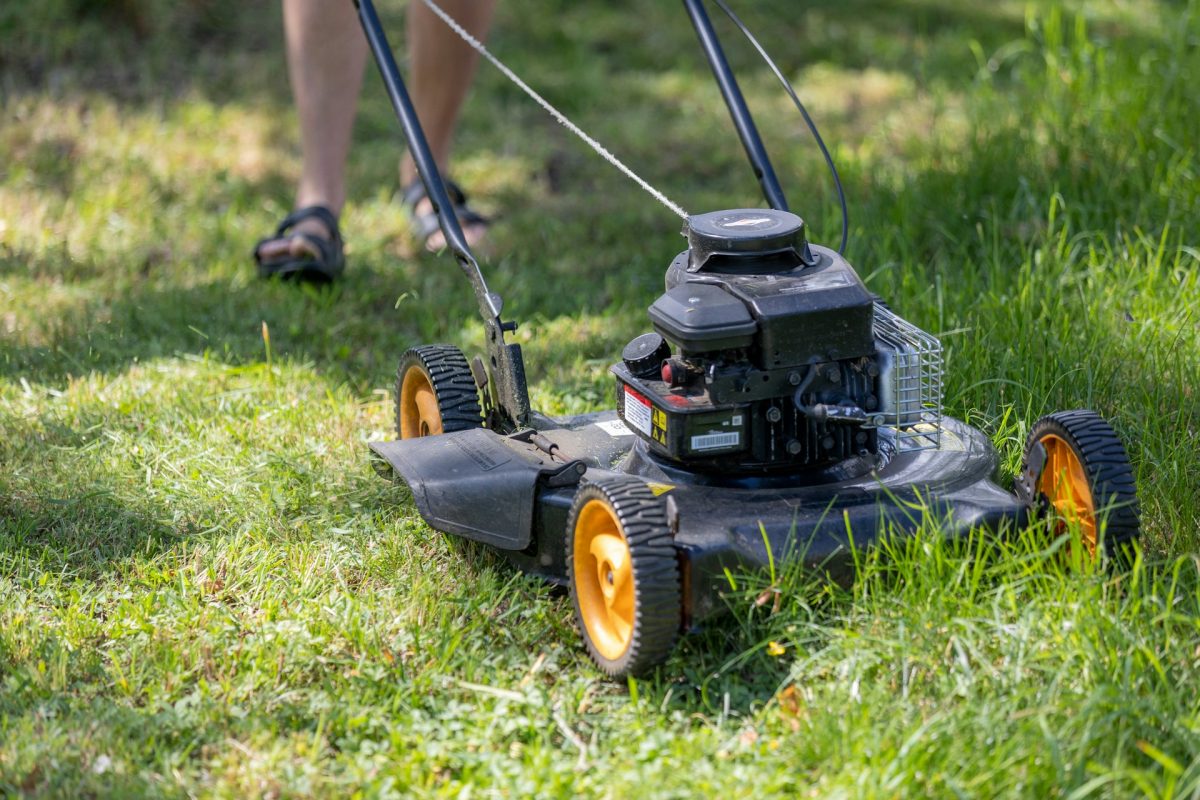
A lawnmower can either help repair bare spots or make them worse depending on how it’s used. Cutting grass too short weakens the plant and exposes soil to intense sunlight, which dries it out and discourages new growth. Taller grass shades the soil, retains moisture, and encourages deeper root systems. Setting the mower blade slightly higher allows grass to grow thicker and more resilient.
Regular mowing also stimulates grass to spread horizontally, filling in thin areas naturally. When grass blades grow longer, they capture more sunlight and produce more energy for root development. This process strengthens the entire lawn, helping it crowd out weeds and resist disease. A simple change in mowing height can dramatically improve the lawn’s ability to repair itself. Sometimes the easiest lawn-care adjustments produce the most noticeable results.
Bare Spots Don’t Stand a Chance With the Right Strategy
Repairing a patchy lawn doesn’t require expensive sod or complicated landscaping projects. A thoughtful combination of soil preparation, overseeding, compost, smart watering, proper fertilizing, and careful mowing can bring even the saddest patch of grass back to life. Each step strengthens the lawn while encouraging new growth that blends naturally with the surrounding turf.
Those once-empty patches can transform into thick, vibrant grass that looks like it has always belonged there. A lawn repaired with these methods often becomes stronger than it was before the damage occurred. With the right strategy and a little care, bare spots quickly lose their power to ruin the look of a yard.
What strategy has worked best in your own yard for fixing bare spots, and which technique are you excited to try next? Share your experience, ideas, or creative lawn fixes in the comments section.
You May Also Like…
Why Overwatering in March Wastes Money
The Fertilizer Myth That’s Killing Lawns Across the South
Homeowners Are Repurposing Cheap Lawn Ornaments in a Surprising New Way
Why Overseeding Too Late Can Backfire on Your Lawn
Why Gardeners Are Burying This Common Pantry Item Under Their Plants — And What It Actually Does

Brandon Marcus is a staff writer for FrugalGardening.com at District Media, Inc., where he delivers practical gardening advice with a relatable, no-nonsense style. An avid amateur gardener, he holds a BA degree and with over ten years of professional writing experience, he is also an award-winning published author whose first book, Questions For Deep Thinkers, was released by Adams Media. His work has appeared in major publications including Fandom.com, CHUD.com, TheColdWire.com, and Fansided.com.
Leave a Reply