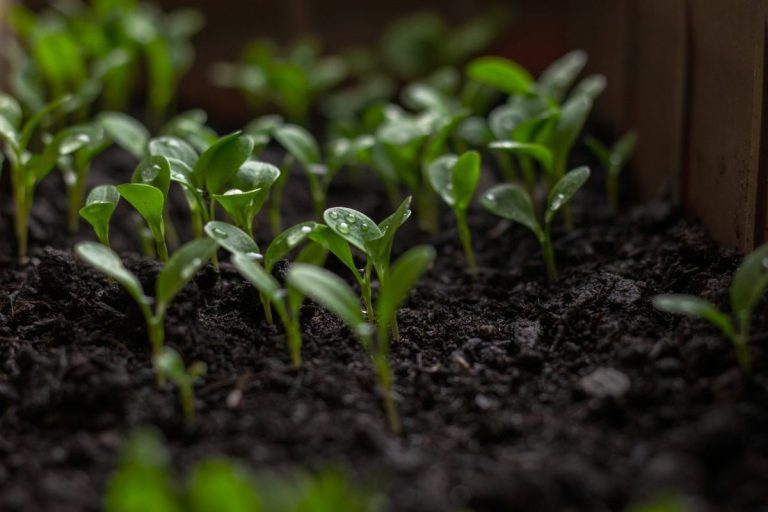
A thriving garden rarely happens by accident. Healthy tomatoes, vibrant flowers, crisp lettuce, and lush lawns all depend on one thing hiding beneath the surface: nutrient-rich soil. When soil loses balance, plants start sending distress signals fast, and many gardeners mistake those symptoms for pests, bad weather, or poor watering habits. The dirt itself often…
soil nutrients
The Compost Timing Mistake That Slows Down Growth
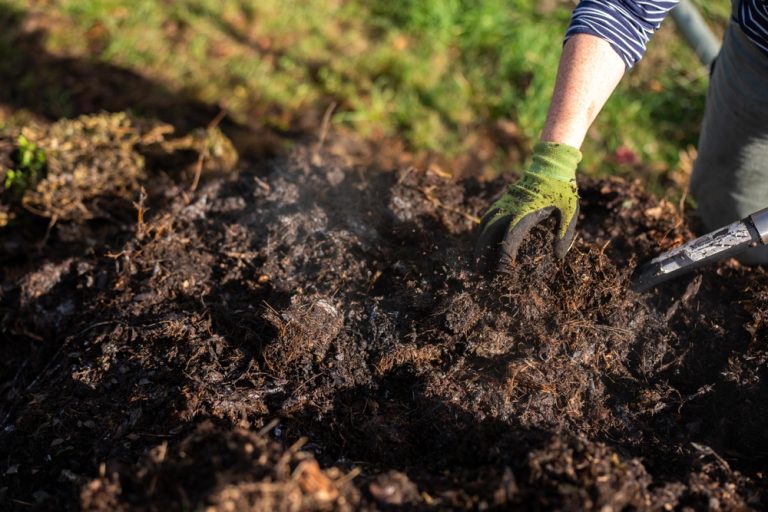
Gardeners love compost for good reason—it turns scraps into rich, black gold that fuels vibrant growth. But here’s the twist: even the best compost can backfire if it goes into the soil at the wrong time. Plants don’t just need nutrients; they need them when they can actually use them. Miss that window, and growth…
5 Warning Signs Your Compost Is Too Wet and Losing Nutrients
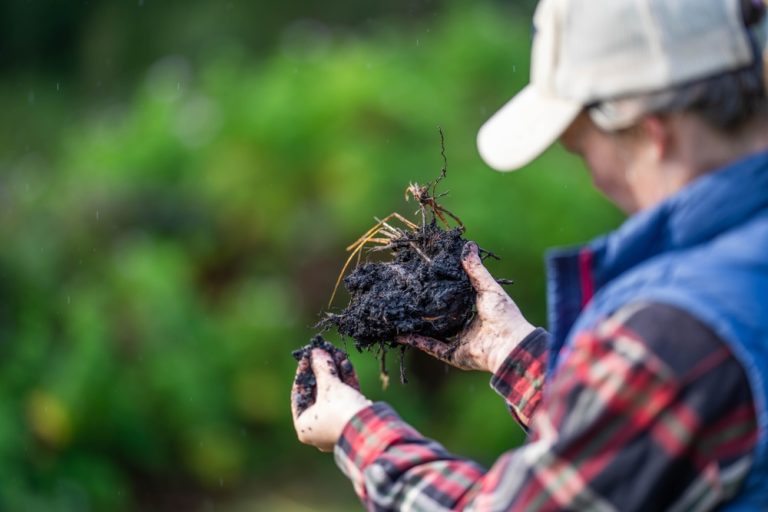
Compost smells like earth’s magic in progress, turning scraps into soil gold. But when things go too far and the pile gets soggy, that magic can start to stink—literally and figuratively. Overly wet compost isn’t just messy; it can drown the microbes that do all the heavy lifting and leach nutrients into the ground, leaving…
How to Deal With Sudden Leaf Yellowing Before Plants Decline
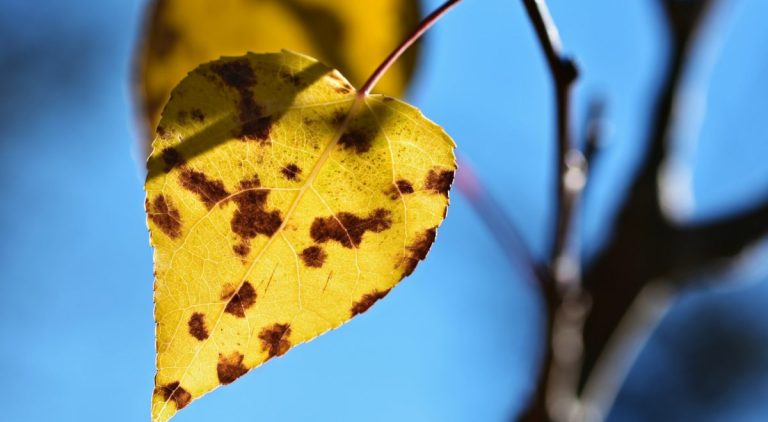
Leaves turning yellow feels like a personal betrayal from your plant. One day, everything is vibrant green, and the next, those glossy leaves are sporting sad yellow patches. Sudden yellowing signals trouble, and ignoring it only accelerates decline. Understanding the root cause fast can save plants from a slow march toward wilted doom. This is…
How Leaf Litter Can Improve Soil Health and Reduce Fertilizer Costs

An empty yard stacked with fallen leaves doesn’t signal a mess—it signals opportunity. Those crunchy layers underfoot hold more power than any bag of store-bought fertilizer stacked in a garden center aisle. Leaves carry nutrients, structure, and life, all bundled into one overlooked seasonal gift. Instead of treating them like waste, smart gardeners treat them…
What Dusty, Dry Soil Is Really Telling You About Your Garden’s Health
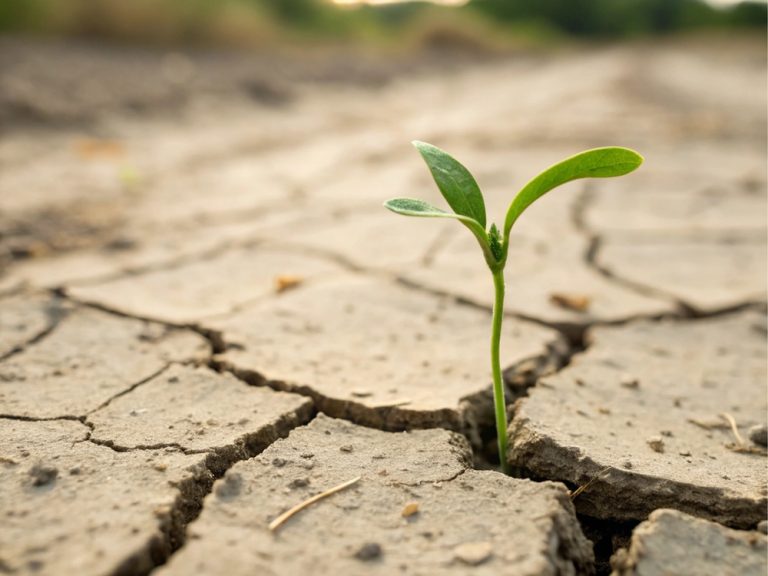
Crack open the surface of your garden soil and pay attention to what shows up. That dusty, dry texture doesn’t just sit there looking lifeless—it broadcasts a message loud and clear. Soil never stays neutral. It reacts, shifts, and reveals exactly what’s happening beneath the surface, and ignoring it only leads to struggling plants and…
How to Use Coffee Grounds Safely in the Garden
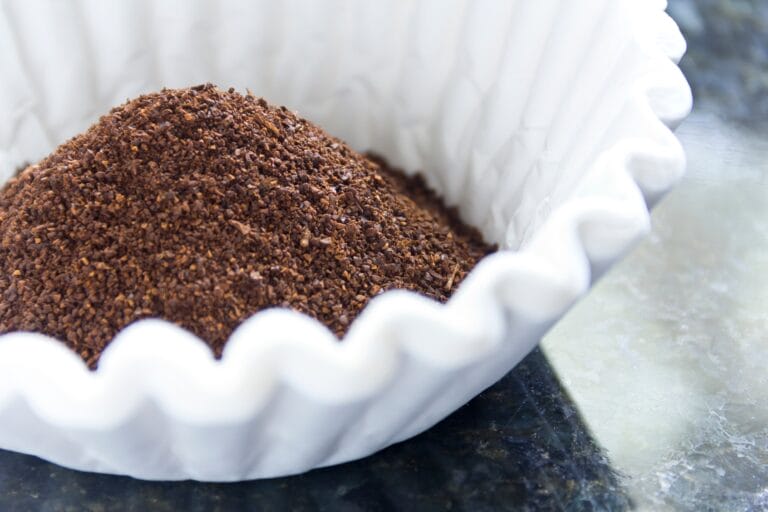
A morning cup of coffee fuels the day, but the leftover grounds can power something else entirely. Tossing them in the trash wastes a surprisingly useful resource that can help plants grow stronger, soil stay healthier, and gardens thrive with a little extra life. Gardeners have whispered about coffee grounds for years, yet confusion still…
What Yellowing Leaves in March Often Mean

March arrives like a magician shaking off winter’s last tricks, yet for anyone watching their plants, it can also feel like a betrayal. Those once-vibrant green leaves suddenly start turning yellow, dropping hints that something is off. The shift from green to gold might look pretty at first glance, but in the plant world, yellow…
The Hidden Cost of Buying “Pre-Fertilized” Soil
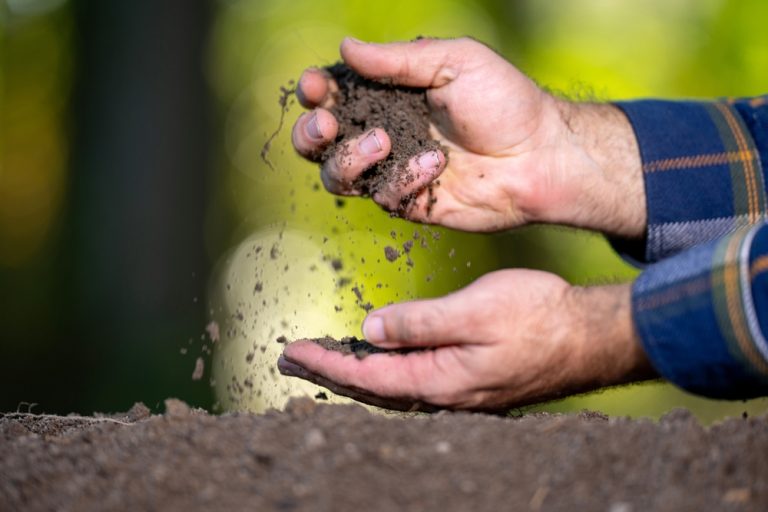
Growing plants feels exciting, especially when a bag promises instant nutrition for roots, stems, and leaves. But what if that shiny label saying “pre-fertilized soil” carries a price that shows up later in weaker plants, wasted money, and frustrated gardening results? Going to your local garden store and picking “pre-fertilized” soil isn’t always as promising…
The Secret Ingredient in Your Soil That’s Sabotaging Your Seed Starts
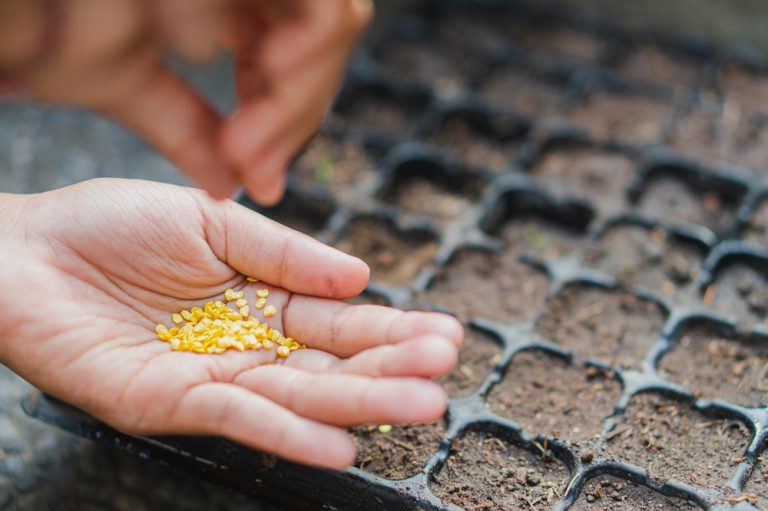
Your seedlings are supposed to be tiny green promises, reaching eagerly toward sunlight. Yet somehow, despite careful watering, optimal light, and even a cheerful playlist while you work, they remain stubbornly stunted, pale, or limp. Something beneath the surface is working against you. That “something” isn’t your planting technique or your enthusiasm—it’s buried in your…