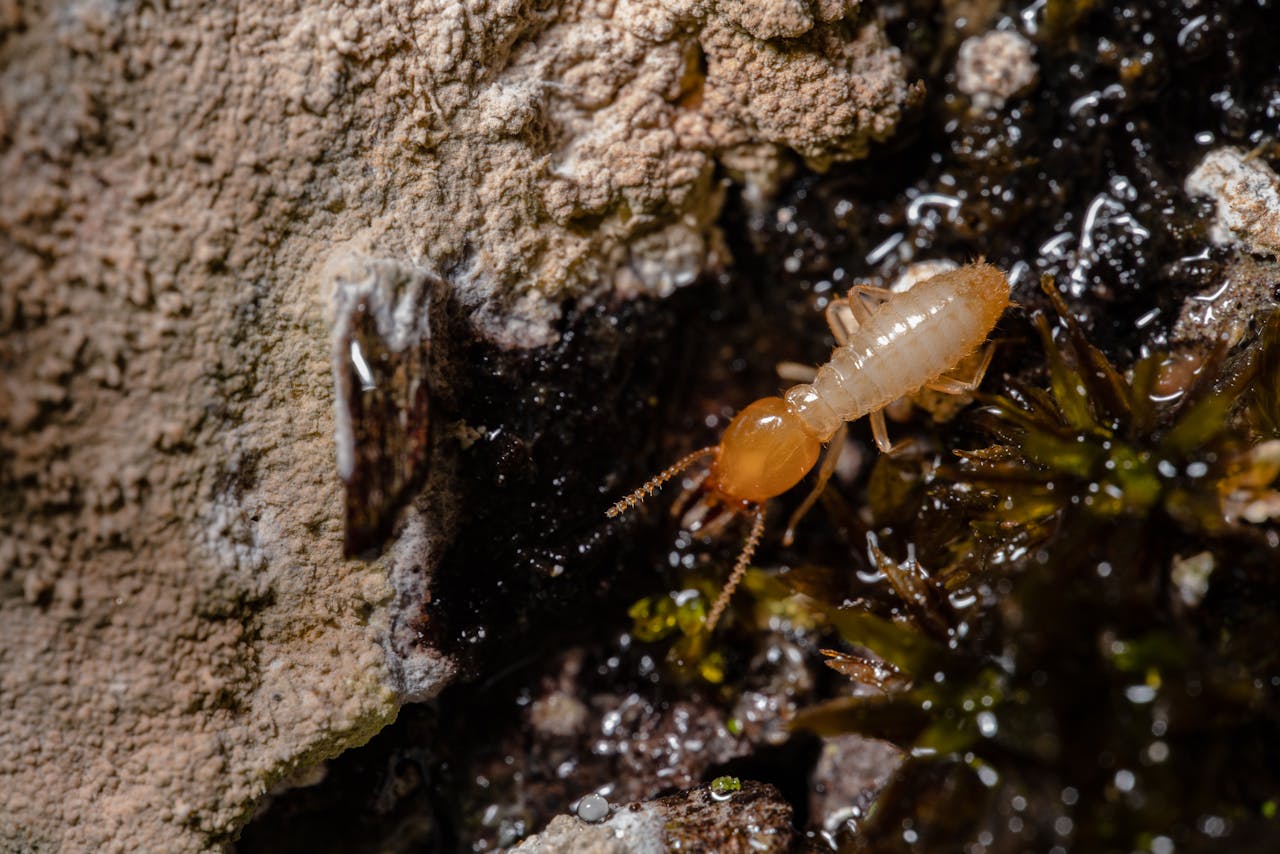
A raised garden bed should be a sanctuary for thriving plants, rich soil, and the quiet satisfaction of watching vegetables and flowers flourish. Unfortunately, that same cozy wooden structure can look like a luxury buffet to termites. These tiny wood-devouring insects never show up with an invitation, yet they can quietly chew through untreated boards until the bed begins to weaken, warp, or collapse.
Termites don’t care about the beautiful tomatoes or the carefully spaced carrots growing above their heads; they only see wood and opportunity. Anyone who builds or maintains raised beds needs a strategy to keep termites away long before they turn a productive garden project into a repair project. Fortunately, a handful of smart, practical steps can dramatically reduce the chances of termites claiming a garden bed as their next meal.
1. Choose the Right Wood Before Termites Ever Show Up
The battle against termites begins long before a raised bed ever touches soil. Wood selection determines whether a bed lasts for years or becomes termite food within a season. Certain types of wood naturally resist termite damage because they contain oils and compounds insects dislike. Cedar and redwood stand out as two popular choices for garden beds because they resist rot and deter many wood-eating pests.
Pressure-treated lumber used to raise concerns for vegetable gardens, but modern treatments approved for residential use are generally considered safe for garden construction when used properly. Many gardeners still prefer natural woods, yet choosing a durable variety remains one of the strongest defenses against termite activity. Softwoods that decay quickly or lack natural oils tend to attract insects far more easily.
2. Keep Wood Away From Direct Soil Contact
Termites thrive in moist environments and often travel through soil to reach wood. When a raised bed sits directly on damp ground, it practically offers termites a highway straight to their favorite meal. Creating a barrier between wood and soil disrupts that convenient pathway and dramatically lowers the risk of infestation.
Many gardeners install landscape fabric, gravel, or hardware cloth beneath raised beds to create separation from the soil. Gravel layers improve drainage while reducing constant moisture around the wooden structure. Hardware cloth prevents burrowing pests while adding another layer of protection against insects entering from below.
3. Seal and Protect the Wood Surface
Wood left completely untreated becomes far more vulnerable to insects and moisture. Applying protective coatings to the exterior of raised beds adds an extra layer of defense that termites must overcome before reaching the wood itself. Natural wood sealers designed for garden use help preserve boards without introducing harmful chemicals into the soil.
Linseed oil, tung oil, and plant-based wood treatments are popular options among gardeners who want protection while keeping beds safe for edible crops. These treatments penetrate the wood and slow the process of decay, which reduces the scent cues that attract termites.
Regular maintenance plays an important role here. Reapplying protective coatings every couple of years keeps the wood strong and resistant. Raised beds endure constant exposure to sun, rain, and irrigation, so protective treatments help them stay durable and far less appealing to hungry insects.
4. Remove Nearby Wood Debris That Invites Trouble
Termites don’t usually appear out of thin air. They are often drawn to nearby wood piles, fallen branches, or old lumber that sits quietly decomposing in the yard. Once a termite colony establishes itself nearby, raised garden beds can quickly become the next convenient food source.
Keeping the garden area tidy is a powerful preventative measure. Firewood stacks, old boards, and piles of wood chips should stay far from raised beds. Even large tree stumps or buried roots can attract termites and give them a launching point for future infestations.
Gardeners who regularly clean up organic debris reduce the chances of termites settling nearby in the first place. A neat garden environment discourages colonies from forming close enough to threaten raised beds. Prevention in this case is far easier than battling termites after they establish themselves.
5. Encourage Natural Termite Predators
Nature often provides its own pest control team when the environment encourages balance. Certain animals and insects feed on termites, helping keep populations under control. Ants, birds, and some beetles prey on termites and disrupt colonies before they become overwhelming. Encouraging biodiversity in the garden strengthens this natural defense system. Native plants, flowering herbs, and diverse plantings attract beneficial insects and birds that hunt termites. A lively garden ecosystem often keeps pest populations in check without the need for harsh treatments.
While predators alone may not eliminate termites entirely, they contribute to a healthier balance that discourages explosive infestations. A garden buzzing with beneficial life becomes much less welcoming for destructive pests.
6. Inspect Raised Beds Regularly
Termites often operate quietly, which means early detection becomes essential. Routine inspection helps catch potential problems before major damage occurs. Gardeners should examine raised bed boards several times a season, especially during warm months when termite activity increases. Look for small mud tubes along wood surfaces, soft or hollow sections of boards, or unusual cracks that seem to appear quickly. These signs often indicate termites traveling between soil and wood. Early discovery allows quick intervention before structural damage spreads throughout the bed.
A quick inspection during watering or harvesting adds almost no extra effort but can prevent costly repairs later. Regular observation keeps raised beds strong and allows gardeners to enjoy healthy soil without hidden surprises lurking underneath.

Smart Gardening Beats Hungry Termites
Raised beds bring organization, better soil control, and incredible gardening success, yet they also introduce wooden structures into environments where termites naturally roam. Ignoring that reality can lead to expensive repairs or collapsing beds in the middle of a growing season. Smart gardeners take a proactive approach by choosing durable wood, improving drainage, protecting surfaces, and keeping the surrounding area clean.
These steps don’t require complicated tools or expensive treatments. Simple awareness and consistent maintenance often provide the strongest defense against termites. Raised beds built and maintained with termite prevention in mind can last for many productive years while supporting vibrant gardens above.
What strategies have worked best for protecting garden beds from pests in your own yard? Give us all of your tips, experiences, or clever solutions in the comments and help others keep their raised beds strong and thriving.
You May Also Like…
Why Termite Activity Can Increase Around Gardens in Early Spring
Early Termite Warning Signs Around Garden Beds
How to Grow More Food in Less Space
This One Winter Gardening Habit Could Be Spreading Invasive Pests Across the South
How to Catch Hidden Pests Before They Invade Your Shed This Winter

Brandon Marcus is a staff writer for FrugalGardening.com at District Media, Inc., where he delivers practical gardening advice with a relatable, no-nonsense style. An avid amateur gardener, he holds a BA degree and with over ten years of professional writing experience, he is also an award-winning published author whose first book, Questions For Deep Thinkers, was released by Adams Media. His work has appeared in major publications including Fandom.com, CHUD.com, TheColdWire.com, and Fansided.com.
Leave a Reply