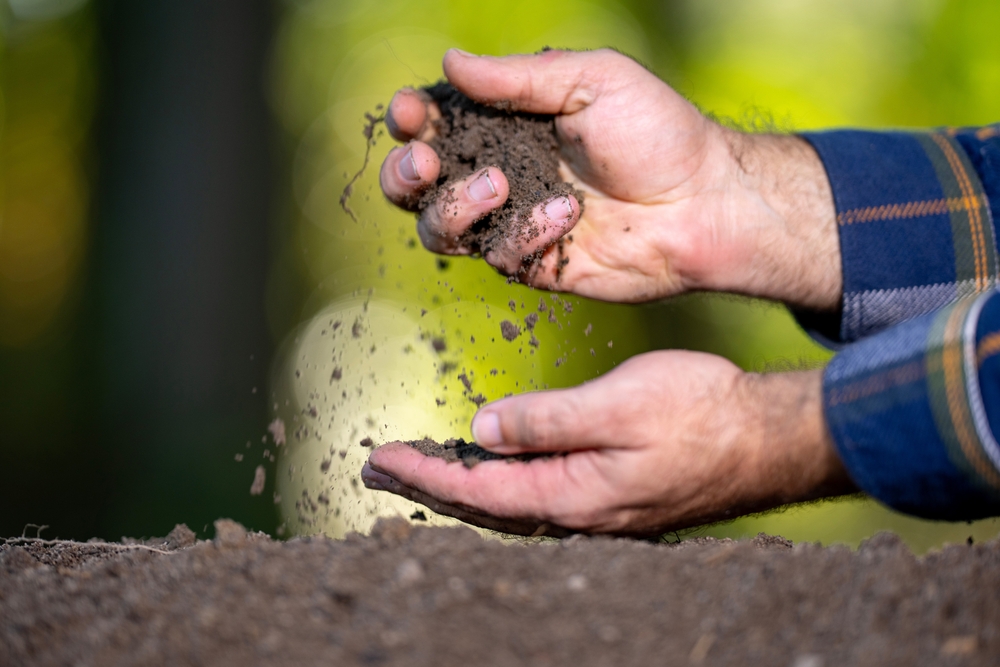
Growing plants feels exciting, especially when a bag promises instant nutrition for roots, stems, and leaves. But what if that shiny label saying “pre-fertilized soil” carries a price that shows up later in weaker plants, wasted money, and frustrated gardening results?
Going to your local garden store and picking “pre-fertilized” soil isn’t always as promising as it sounds. There are many reasons to use caution when you are bringing this kind of soil into your cherished garden.
The Alluring Promise Behind Pre-Fertilized Soil Bags
Walk through any garden center, and colorful bags shout convenience. Many manufacturers sell soil mixed with fertilizer because shoppers want an easy start for flowers, herbs, or vegetables. Pre-fertilized soil seems helpful for beginners who worry about measuring nutrients or mixing compost correctly.
The idea sounds simple. Buy soil, open bag, pour into pot, and plant seeds. The problem starts when marketing language replaces honest explanation about what actually sits inside that bag. Some blends contain slow-release fertilizer coatings, while others contain chemical additives that may not match the plant species growing inside.
Good soil should balance air space, organic matter, moisture retention, and nutrients. Adding fertilizer before someone even plants anything sometimes creates a nutrient spike that later drops sharply. Young roots often enjoy mild nutrition, not sudden chemical concentration that pushes fast but unsustainable growth.
Shoppers sometimes believe pre-fertilized soil saves effort. However, experienced growers usually know plants demand different feeding schedules. Tomatoes want one pattern. Succulents want another. Herbs behave differently again. One soil mix rarely satisfies everything growing inside it.
The Price You Pay Later: Where the Hidden Cost Lives
The real cost of pre-fertilized soil does not always show up at checkout. The price sometimes appears weeks later when leaves turn yellow, roots slow down, or flowers refuse to bloom. Strong fertilizer concentration inside new soil can shock young plants.
Salt buildup represents another problem. Many synthetic fertilizers contain salts that remain after water evaporates. Over time, these salts accumulate around roots and interfere with water absorption. Plants then show stress even when people water them regularly.
Gardeners may respond by watering more. Unfortunately, extra watering can wash nutrients downward too fast, creating waste and polluting drainage systems. The cycle turns frustrating because the soil stops working as expected.
Some pre-fertilized mixes also lose effectiveness quickly. Manufacturers design many blends for short-term feeding, sometimes lasting only four to eight weeks. After that period ends, plants need fresh nutrients. People forget this detail because packaging pictures show healthy plants without mentioning feeding schedules.
Another hidden cost involves plant variety. Fast-growing vegetables may consume nutrients faster than ornamental houseplants. Mixing species inside the same soil bag often causes uneven growth patterns. One plant becomes tall and green while another struggles quietly beside it.
Marketing Language That Makes Soil Look Better Than It Is
Packaging design works hard to trigger positive emotion. Pictures show lush forests, shiny leaves, and smiling plants standing tall under sunlight. Words like “premium,” “enriched,” or “super growth blend” create confidence even when scientific details stay vague.
Shoppers should check the nutrient numbers printed on bags instead of trusting marketing phrases. Look for nitrogen, phosphorus, and potassium ratios. These numbers reveal more truth than product names ever will. Some brands mix compost, peat moss, and slow-release fertilizer pellets. Others simply spray fertilizer solution onto soil during manufacturing. That second method may not distribute nutrients evenly.
Reading ingredient lists matters. If a product does not explain fertilizer type or release duration, uncertainty remains. Garden success becomes partly luck rather than planning. Think about long-term gardening goals before choosing convenience. Starting seedlings inside simple, high-quality potting soil and adding fertilizer later often gives more control. Plants respond better when nutrition arrives according to growth stage instead of packaging design.
Smarter Ways to Feed Plants Without Overspending
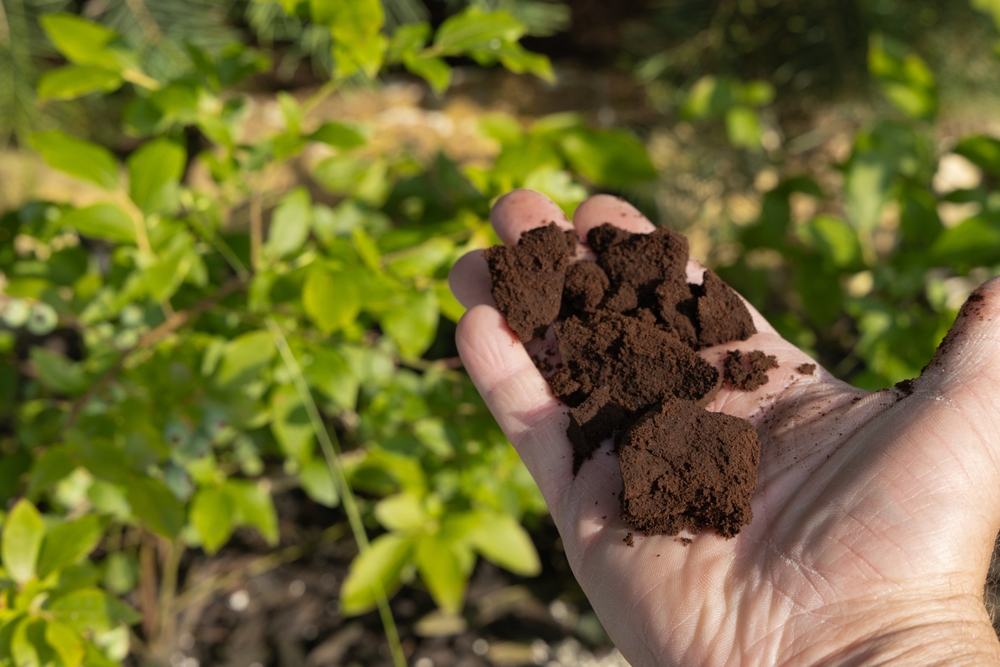
Gardeners do not need pre-fertilized soil to grow strong plants. Mixing plain potting soil with organic compost often works beautifully. Compost supplies slow, natural nutrient release while improving soil structure. Testing soil pH occasionally helps avoid nutrient lockout. When pH moves too far from ideal range, plants cannot absorb fertilizer even when soil contains enough nutrients. Many garden stores sell inexpensive test kits that make monitoring simple.
Watering strategy matters as much as soil choice. Deep watering less frequently encourages roots to search downward for moisture. Shallow daily watering sometimes encourages weak surface roots that fail during dry periods.
Adding fertilizer after plants start growing allows precise feeding control. Young seedlings need gentle nutrition. Flowering plants need different nutrient balance than leafy vegetables. Adjust feeding schedule according to growth stage. Organic options deserve consideration. Natural compost tea, worm castings, and decomposed leaves improve microbial life inside soil. Healthy microbes help plants process nutrients efficiently and support stronger root systems.
The Lesson Every Gardener Should Remember
Pre-fertilized soil sounds convenient because convenience sells. Yet plants do not grow stronger simply because fertilizer sits inside a bag before planting begins. Good gardening balances nutrition, water, light, and patience. Buying soil that forces nutrients into roots early sometimes creates long-term weakness rather than strength.
Check labels carefully, think about plant species, and remember that simple soil often gives more control than heavily marketed blends. Gardening success comes from understanding plant needs rather than trusting colorful packaging.
Does pre-fertilized soil feel like a helpful shortcut to you, or does it sound like a marketing promise that hides long-term gardening work? Let’s get your thoughts in the comments.
You May Also Like…
The Hidden Cost of War: How Fertilizer Disruptions Push Grocery Bills Higher
The Free Fertilizer Most Gardeners Throw Away
The Fertilizer Myth That’s Killing Lawns Across the South
The $20 Soil Fix That Can Rescue a Struggling Spring Garden
These 10 Garden Hacks Are Going Viral — But Experts Say Some Are Ruining Soil Health

Brandon Marcus is a staff writer for FrugalGardening.com at District Media, Inc., where he delivers practical gardening advice with a relatable, no-nonsense style. An avid amateur gardener, he holds a BA degree and with over ten years of professional writing experience, he is also an award-winning published author whose first book, Questions For Deep Thinkers, was released by Adams Media. His work has appeared in major publications including Fandom.com, CHUD.com, TheColdWire.com, and Fansided.com.
Leave a Reply