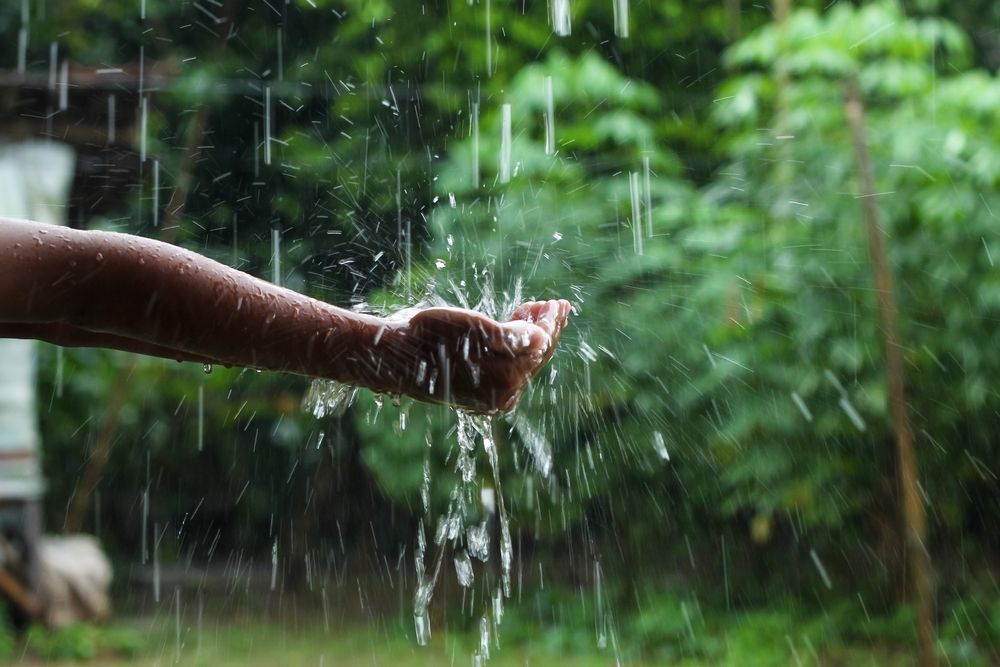
Spring rain does not deserve a quick trip down a storm drain. Every drop that splashes off a roof carries real value for gardens, lawns, and outdoor spaces, yet most homes let that water rush away without a second thought. A single spring storm can fill barrels, soak garden beds, and provide a steady supply of free water for weeks if someone captures it the right way. That idea sparks excitement because it blends practicality with a little backyard ingenuity. Rainwater reuse offers a clever way to save money, cut down on household water use, and give plants the gentle hydration they love most.
Spring also creates the perfect moment to start because frequent showers provide steady opportunities to collect water without much effort. A few simple adjustments can transform an ordinary downspout into a tiny water-saving powerhouse. The real magic begins once that rainwater starts working around the yard.
Turn Your Downspout Into a Backyard Water Source
Rainwater collection often begins with one simple upgrade: a rain barrel attached to a downspout. That humble container can capture dozens of gallons of water during a single rainfall, which means one afternoon storm can supply days of watering for flowers and vegetables. Gardeners appreciate rainwater because plants absorb it more easily than treated tap water, which often contains chlorine and minerals. Soft, natural rainwater helps soil maintain balance and encourages stronger plant growth without extra additives.
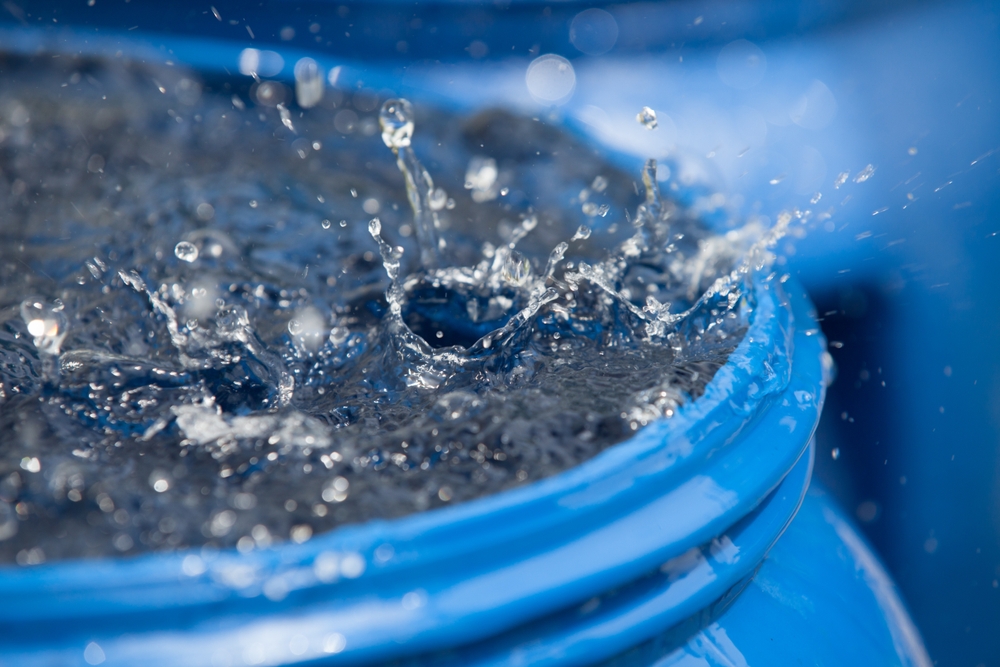
A basic rain barrel setup requires a sturdy barrel, a tight-fitting lid, and a spigot near the bottom for easy access. Many people also install a mesh screen across the top to block leaves, debris, and curious insects. Positioning the barrel on a raised platform adds another smart advantage because gravity increases water pressure and allows watering cans to fill quickly. A short overflow hose also prevents puddles near the house once the barrel reaches capacity during heavy storms. That small system quietly transforms a plain gutter into a steady supply of reusable water.
Creative homeowners often take things further by linking several barrels together. Connecting barrels with simple hoses allows the system to store far more water during rainy weeks. Larger storage makes a huge difference when gardens demand regular watering during warmer days. Even a small network of barrels can hold over one hundred gallons if installed properly. That kind of storage creates a backyard resource that works silently after every rainfall.
Give Gardens the Kind of Water Plants Truly Love
Rainwater brings a big advantage that gardeners celebrate every spring: plants thrive with it. Tap water travels through treatment plants before it reaches a hose, and that process adds chemicals designed to keep water safe for human consumption. Those chemicals do their job well, but many plants respond better to natural rainfall. Rainwater arrives softer and closer to the conditions plants evolved to use.
Garden beds benefit especially from rainwater irrigation because it preserves the delicate balance inside the soil. Soil contains beneficial microbes, nutrients, and tiny organisms that support plant health. Excess minerals from treated water can slowly build up and disrupt that balance over time. Rainwater, however, supports the soil ecosystem rather than overwhelming it. That natural compatibility helps vegetables, herbs, and flowers grow more vigorously throughout the season.
A watering can filled from a rain barrel works perfectly for targeted watering. Instead of spraying an entire lawn, gardeners can direct water exactly where plants need it most. That method prevents waste and keeps delicate leaves from soaking unnecessarily. Many vegetable gardeners prefer this hands-on watering style because it allows quick inspection of plants for pests, growth progress, and soil moisture levels.
Put Rainwater to Work Beyond the Garden
Rainwater does not belong only in garden beds. Creative homeowners discover dozens of practical ways to reuse that water around the yard once a collection system fills up. Outdoor cleaning projects offer a great example. Rainwater works perfectly for rinsing muddy garden tools, washing patio furniture, or spraying down dusty walkways. A bucket of collected rainwater can also tackle surprisingly large cleaning jobs. Deck boards, outdoor steps, and gardening equipment often gather dirt and pollen during spring. Instead of reaching for the hose, a quick rinse from stored rainwater handles the mess just as effectively. That approach reduces water waste and keeps utility bills a little lower without sacrificing cleanliness.
Bird baths and small backyard ponds also benefit from rainwater refills. Tap water sometimes carries additives that affect aquatic environments over time, while rainwater provides a gentler alternative. Many backyard wildlife enthusiasts prefer rainwater for that reason alone. The simple switch helps maintain healthier conditions for birds, insects, and small creatures that depend on fresh water.
Rainwater can even support compost systems. Compost piles need the right balance of moisture to break down food scraps and yard waste efficiently. Rainwater offers a perfect hydration source that keeps compost active without introducing chemicals. A few watering cans poured over the pile every week can speed decomposition and improve the final compost quality.
Smart Rainwater Habits That Keep Everything Safe
Rainwater reuse works best when a few safety guidelines guide the process. Most experts recommend using collected rainwater only for outdoor tasks unless a proper filtration system treats it for household use. That rule keeps things simple and safe while still unlocking plenty of practical benefits for gardening and yard care. A tightly sealed lid plays a major role in keeping rain barrels clean and functional. Open containers can attract insects, debris, and algae growth, especially once temperatures climb. A fine mesh screen allows water to enter while blocking unwanted materials. That small step protects water quality and reduces maintenance headaches later.
Placement also matters more than many people realize. A barrel should sit on level ground near a downspout where water flows naturally during rainfall. Elevating the barrel slightly improves water pressure and prevents awkward bending while filling watering cans. Stability becomes essential as well because a full barrel can weigh several hundred pounds once filled with water.
Regular cleaning keeps the system running smoothly throughout the season. A quick rinse every few weeks removes sediment that settles near the bottom of the barrel. That routine also allows a quick check for cracks, leaks, or clogged spigots. A well-maintained barrel system can last many seasons without expensive repairs.
With a little attention and common sense, rainwater collection becomes one of the easiest eco-friendly habits to maintain. The system stays simple, the benefits remain clear, and the garden receives a steady supply of natural hydration.
The Real Power of Spring Rain Starts in the Backyard
Spring rain carries incredible potential, yet most homes treat it like a passing inconvenience. A simple barrel, a little curiosity, and a few creative ideas can transform those rainy days into a valuable backyard resource. Collected rainwater nourishes gardens, supports outdoor cleaning projects, and reduces reliance on treated water supplies. It also adds a satisfying sense of resourcefulness that turns ordinary yard care into something smarter and more sustainable.
Rain will continue to fall each spring whether someone captures it or not. The real question revolves around what happens next. Will that water rush away down the street, or will it spend the season feeding plants and helping outdoor spaces thrive? Every home with a roof has the chance to answer that question with a little ingenuity.
What rainwater tricks or backyard ideas have worked best in your own space? Share your strategies, clever setups, or spring gardening stories in the comments and spark a few new ideas for everyone.
You May Also Like…
Homeowners in These 3 States Need To Know The Rules About Collecting Rainwater
March Watering Mistakes That Can Raise Your Bills
Why Gardeners in the Southeast Are Being Told to Stop Using Rainwater This Month
The Watering Habit That’s Quietly Killing Your Plants (Experts Are Begging Gardeners to Stop)
Water Boards Say This Common Irrigation Setup Is Wasting Thousands of Gallons

Brandon Marcus is a staff writer for FrugalGardening.com at District Media, Inc., where he delivers practical gardening advice with a relatable, no-nonsense style. An avid amateur gardener, he holds a BA degree and with over ten years of professional writing experience, he is also an award-winning published author whose first book, Questions For Deep Thinkers, was released by Adams Media. His work has appeared in major publications including Fandom.com, CHUD.com, TheColdWire.com, and Fansided.com.
Leave a Reply