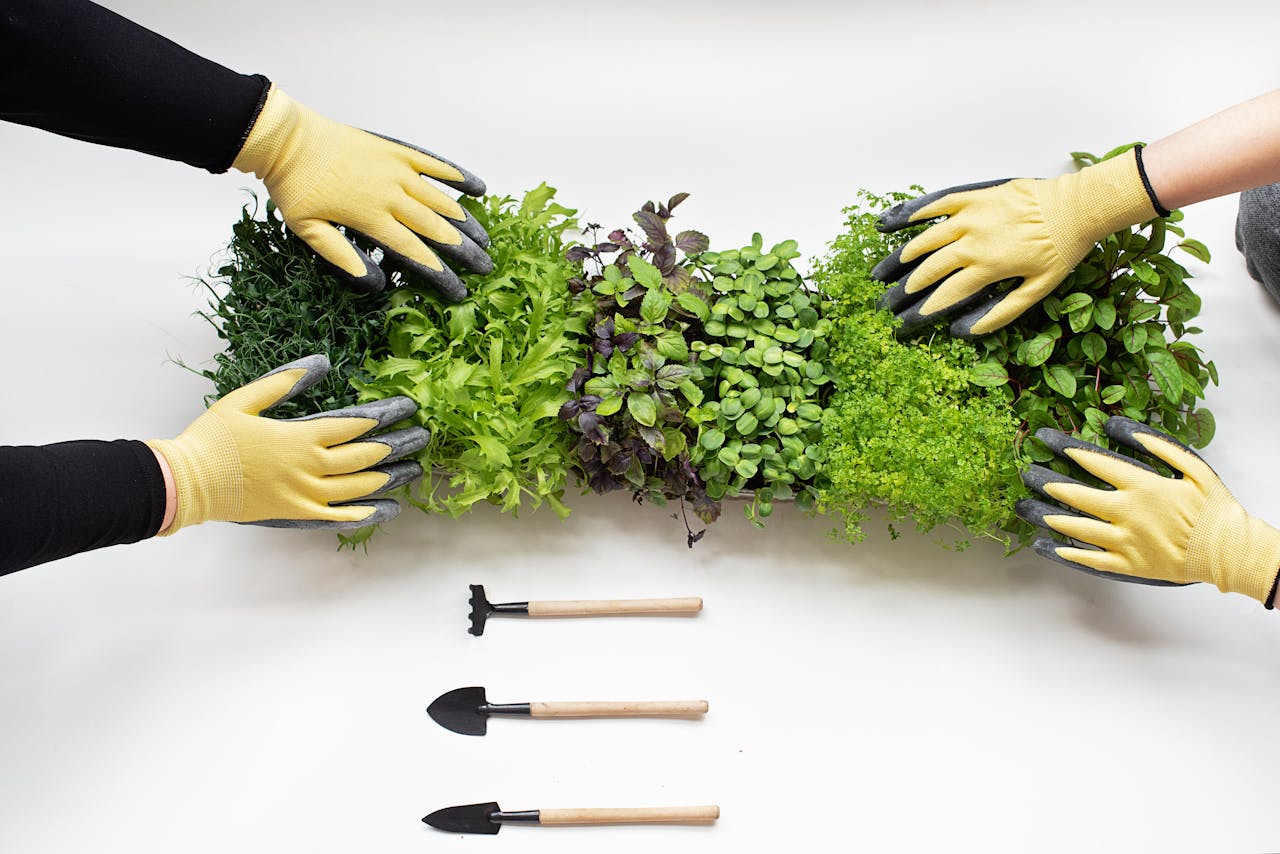
Spring’s first warm days seduce even the most disciplined gardeners. The soil softens, the sun shines brighter, and seeds in their packets practically beg to be planted. It’s tempting to push ahead, imagining rows of lush vegetables thriving weeks earlier than usual. However, planting too early turns hope into heartbreak faster than any insect, disease, or drought ever could. Frost lurks like a silent predator, soil temperatures lag behind air temperature, and seedlings planted in haste often struggle to survive.
Gardening isn’t a race; it’s a negotiation with nature, and jumping the gun often leads to wasted time, effort, and materials. Patience becomes a superpower, and understanding the precise conditions plants need to thrive is what separates flourishing beds from disappointing ones. Early planting might feel like initiative, but without careful planning, it is usually an invitation for frustration.
1. Frost: The Silent Killer
Frost acts as the ultimate betrayal when planting too early. Even a seemingly mild night can bring temperatures low enough to freeze tender shoots, puncturing cells with tiny ice crystals and halting growth instantly. Some hardy crops tolerate light frost, like kale or spinach, but most vegetables cannot withstand sudden cold. Tomatoes, peppers, cucumbers, and many summer crops collapse under even a single frost event. The damage isn’t always immediately visible; roots weaken, leaves yellow, and stems blacken slowly, leaving gardeners puzzled and frustrated.
Protective measures like cloches, row covers, or floating blankets help, but they cannot fully compensate for planting before the risk of frost passes. Understanding local frost dates and waiting until nights are reliably warmer prevents unnecessary crop loss and protects early investments. Patience is the best defense against the invisible hand of frost, and timing is more important than ambition in the garden.
2. Cold Soil: A Slow Start
Soil temperature is often overlooked, yet it determines whether seeds will germinate at all. Even when the air feels warm and sunny, soil may remain cold, damp, and uninviting. Seeds placed in chilled ground germinate slowly, unevenly, or not at all, leaving rows patchy and frustrating. Crops like beans, corn, carrots, and cucumbers need specific soil warmth to sprout efficiently and grow healthy roots. Cold soil also limits microbial activity, reducing nutrient availability and making seedlings weaker and more susceptible to stress.
Early planting in these conditions creates plants that are behind from day one, struggling to catch up while competing with weeds or pests. Waiting until the soil is warm ensures seedlings emerge strong, healthy, and more resistant to environmental challenges. Proper soil preparation and patience give plants the best possible start, saving time and energy in the long run.
3. Water Woes of Early Planting
Water management becomes far more complicated with early planting. Cold soil drains poorly yet retains little moisture for roots, creating a tricky balance. Early-planted seeds risk rotting if the soil is too wet or drying out if temperatures rise unexpectedly during the day. Frost, late snow, and early spring rains further complicate moisture levels, leaving gardeners constantly adjusting watering schedules.
Young seedlings in unstable soil conditions are vulnerable to stress and disease, requiring extra care and vigilance. Waiting until the soil stabilizes makes watering predictable, reduces labor, and gives plants the conditions they need to thrive. Combining proper watering with mulch or other moisture-retention techniques dramatically improves survival rates. Early planting often turns watering into a daily, high-stress job, while waiting allows it to become routine and manageable.
4. Pest Pressure Arrives Early
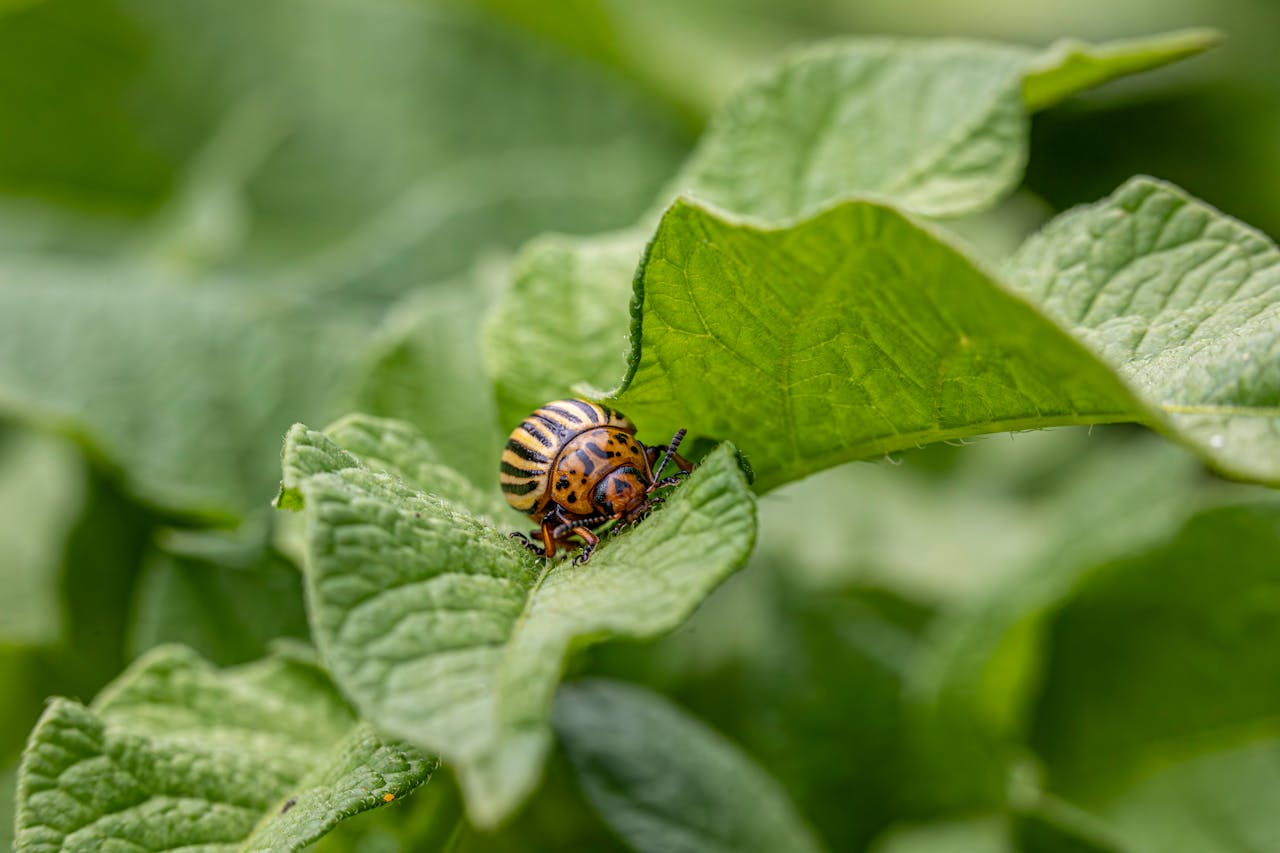
Planting too soon can invite pests before crops are ready to defend themselves. Aphids, slugs, root maggots, and other hungry insects take advantage of weak seedlings, often decimating them in a matter of days. Early planting misaligns crops with natural predator cycles, leaving plants vulnerable at their most fragile stage. Plants that germinate slowly or grow weakly due to cold soil often cannot tolerate the same pest pressure as those planted at the optimal time.
Waiting aligns plant growth with seasonal ecological patterns, giving crops a natural advantage against insects. Early planting is a gamble with pest dynamics, and losing that gamble can mean replanting entire rows. Seasonal timing ensures healthier plants, less stress, and fewer surprises throughout the growing season.
5. Wasted Effort and Resources
Rushing to plant early often leads to wasted time, money, and materials. Seeds may fail, soil amendments can be leached away, and seedlings can require weeks of unnecessary care. Gardeners may find themselves replanting the same area multiple times, which is exhausting and discouraging. Mulch, fertilizers, and irrigation applied too soon may not deliver full benefits when soil conditions aren’t ideal. Waiting until temperatures and moisture levels stabilize maximizes the impact of every effort and every dollar spent.
Early planting also increases labor demands, forcing gardeners to babysit young plants around the clock. Strategic patience ensures that labor, materials, and seeds all contribute to thriving crops rather than wasted effort. Understanding this principle saves both resources and frustration throughout the growing season.
6. Staggered Planting: A Smarter Strategy
Instead of planting everything at once, staggered planting allows gardeners to manage risk effectively. Smaller batches of seeds planted over several weeks ensure that even if early seedlings fail, later plantings can fill the gap. This method also provides a longer harvest window, keeps soil usage efficient, and reduces stress.
Staggering planting schedules aligns crops with optimal soil and air conditions, increasing survival and yield. It also allows gardeners to observe weather patterns and adjust care accordingly, providing a flexible and forgiving approach. By distributing planting times, risk spreads out, making failures less catastrophic. Staggered planting creates a balance between ambition and practicality, maximizing productivity while respecting nature’s rhythm.
7. Protecting Soil Structure
Early planting can also damage soil structure, particularly if gardeners work frozen or overly wet ground. Compacted soil restricts root growth, reduces aeration, and disrupts beneficial microorganisms essential for plant health. Healthy soil encourages strong root systems, improves drainage, and supports nutrient availability.
Waiting for soil to dry and warm protects its structure and allows roots to establish efficiently. The result is stronger, healthier plants with better long-term growth potential. Rushing the planting season can compromise soil for months, making the entire season more difficult to manage. Respecting soil conditions is as important as timing planting, creating an environment where crops can thrive naturally.
Timing Is the Secret Ingredient
Timing matters more than any gardening gadget or fertilizer. Early planting increases frost risk, slows growth in cold soil, complicates watering, invites pests, and wastes resources. Waiting for optimal conditions may feel like patience, but it is a deliberate, strategic move that ensures success. Crops planted at the right time emerge strong, healthy, and resilient, reducing labor, stress, and replanting.
Understanding seasonal patterns, soil temperatures, and local frost dates turns timing into a superpower in the garden. Strategic patience is not laziness—it’s the key to maximizing productivity and enjoyment. Early planting tempts gardeners with speed, but timing rewards those who respect nature’s schedule.
Which crops tempt you to plant early, and how has timing affected success in your own garden? Share stories, strategies, or surprises from past seasons in the comments below—your experience might just save someone else a season of frustration.
You May Also Like…
How to Fix Compacted Soil Without Renting Equipment
Why Gardeners in the Southeast Should Delay Planting This Year
Why Seedlings Fail in Late Plantings
Gardeners Are Planting This “Safe” Shrub — But It’s Deadly for Cats
Why Evergreen Plantings Provide More Than Color

Brandon Marcus is a staff writer for FrugalGardening.com at District Media, Inc., where he delivers practical gardening advice with a relatable, no-nonsense style. An avid amateur gardener, he holds a BA degree and with over ten years of professional writing experience, he is also an award-winning published author whose first book, Questions For Deep Thinkers, was released by Adams Media. His work has appeared in major publications including Fandom.com, CHUD.com, TheColdWire.com, and Fansided.com.
I can understand the temptation to plant early, but I hate waiting. I do wait until it’s the right time to plant my vegetables. I really hate this year’s false spring.