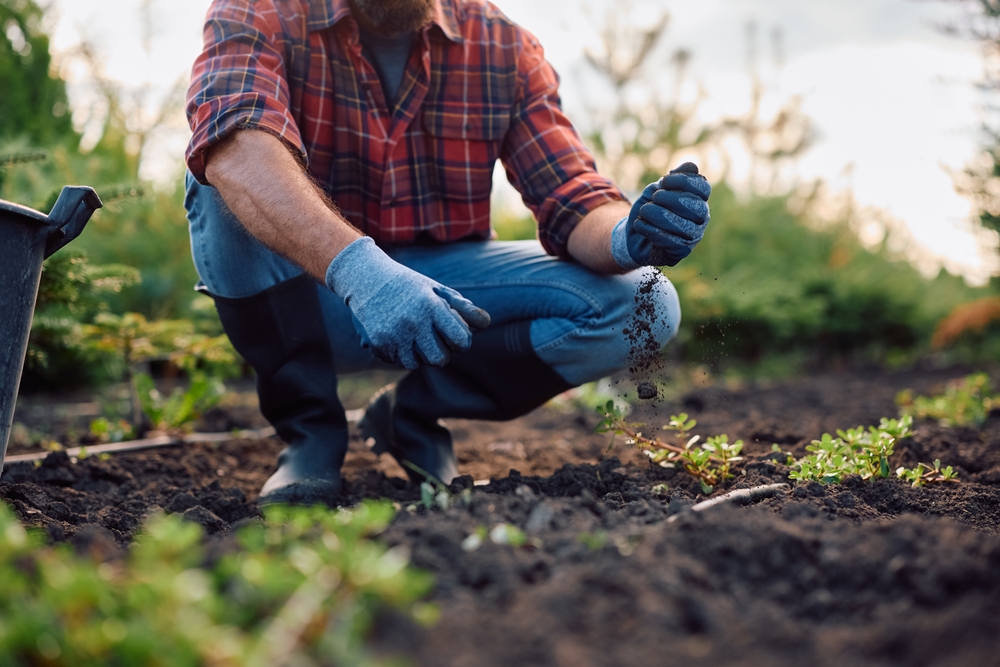
A shovel should slide into healthy soil with satisfying ease. When the blade bounces back like it just struck concrete, the ground sends a very clear message: the soil needs help. Compacted soil stops roots from stretching, blocks water from soaking in, and leaves plants struggling for every inch of growth. Heavy foot traffic, construction, repeated mowing, and even strong rainstorms can press soil particles so tightly together that air and water barely move through the ground. Grass thins out, garden beds stall, and frustration grows fast.
Bulky machines often promise the fastest solution, but most yards and gardens respond beautifully to simple hands-on methods. With patience, the right tools, and a few clever strategies, compacted soil can loosen, breathe, and support healthy plants again.
When the Ground Turns Hard as a Brick
Compaction happens when soil particles press tightly together and squeeze out air pockets. Roots rely on those tiny spaces for oxygen, water movement, and room to grow. Once compaction takes hold, plants lose their ability to dig deep for nutrients and moisture.
Clay-heavy soils compact faster because their tiny particles pack tightly together under pressure. Repeated mowing across the same lawn path or constant walking across the same garden bed pushes those particles even closer together. Construction equipment, parked vehicles, and heavy rainfall add even more pressure to the soil structure.
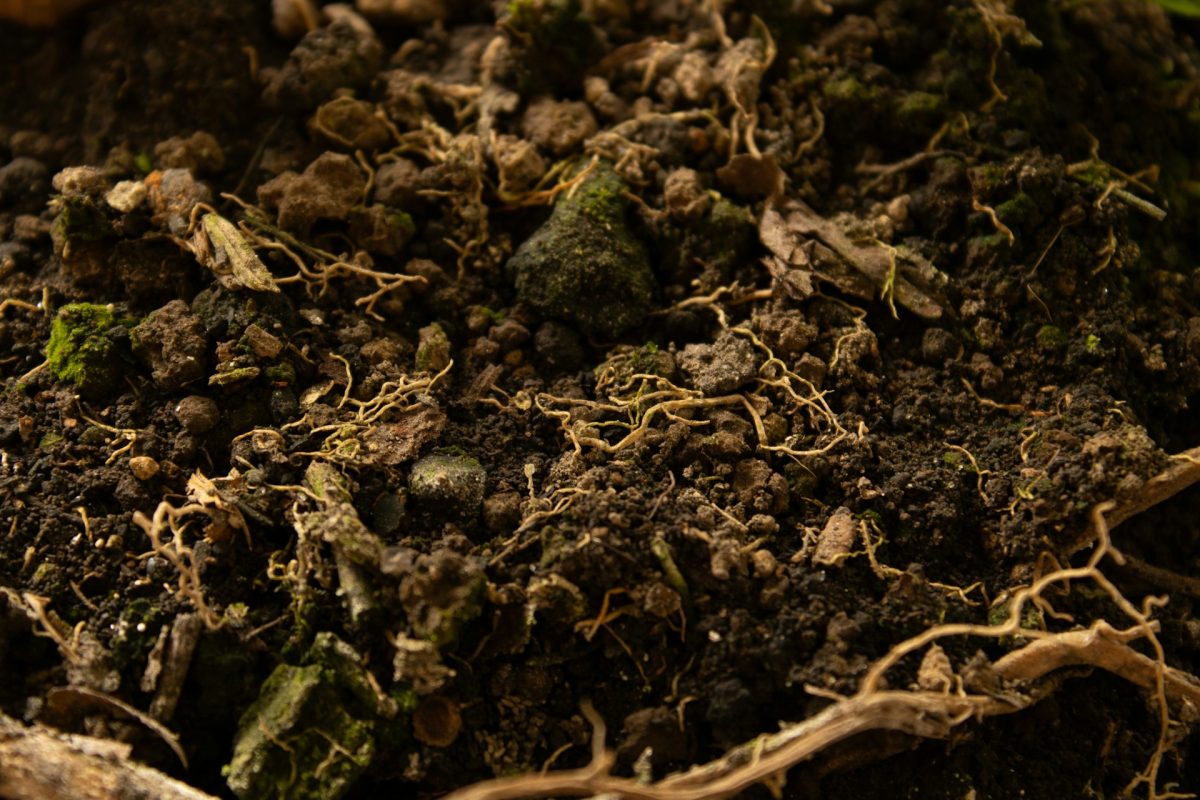
Healthy soil usually contains a crumb-like structure filled with organic matter and microbial life. Compaction crushes that structure. Water pools on the surface instead of soaking down, and roots remain shallow and weak.
The Humble Garden Fork: Small Tool, Big Impact
A simple garden fork often solves more soil problems than people expect. Unlike a shovel, a sturdy digging fork slides into compacted ground and gently lifts the soil without destroying its structure. Push the fork into the ground about six to eight inches deep, then rock the handle back slightly to lift and loosen the soil. This motion opens channels for air and water while keeping soil layers mostly intact. Working across the area in rows gradually breaks up compaction without turning the ground upside down.
Garden beds respond especially well to this method because roots, fungi, and microbes stay in place. Those organisms rebuild soil structure quickly once air returns to the soil. Patience matters here. Slow, methodical loosening across a bed or lawn section improves conditions far better than aggressive digging that shreds the soil ecosystem.
Compost: The Ultimate Soil Transformer
Organic matter changes everything in compacted soil. Compost introduces billions of beneficial microbes while improving soil texture and moisture balance. Spread two to three inches of compost over compacted areas and gently work some of it into the loosened top layer with a fork or rake. Earthworms and microbes immediately start pulling that organic matter deeper into the soil profile.
Compost acts like a sponge in sandy soil and like a loosening agent in clay-heavy soil. Over time, organic material binds soil particles into stable aggregates that create natural air pockets. Repeated additions every season build dramatic improvements. Soil that once resisted every shovel strike slowly transforms into dark, crumbly ground that welcomes plant roots.
Leaves, grass clippings, and kitchen scraps all contribute to compost piles that feed future garden beds. Organic matter always wins the long game in soil repair.
Let Plants Do the Hard Work
Plants can punch through compacted soil better than many tools. Certain species grow deep, strong roots that break apart dense soil layers while adding organic material underground. Cover crops such as daikon radish, clover, and buckwheat work especially well in garden spaces. Daikon radish develops thick taproots that drill deep into compacted ground. After the plant dies back, those root channels remain behind and allow water and oxygen to move freely through the soil.
Clover spreads a web of roots that loosen the upper soil layers while adding nitrogen. Buckwheat grows quickly and shades the ground, which protects soil life and encourages microbial activity. After these plants finish their growth cycle, cutting them down and leaving the plant material on the soil surface adds another layer of organic matter.
Mulch: The Quiet Soil Protector
Bare soil compacts quickly under rain, sun, and foot traffic. Mulch shields the surface and preserves the loose structure underneath. Wood chips, shredded leaves, straw, and grass clippings all work well as mulch layers. Spread two to four inches across garden beds to soften rainfall impact and regulate soil moisture.
Mulch encourages earthworm activity, and earthworms act like tiny soil engineers. Their tunneling naturally aerates the ground while their castings improve soil fertility. Temperature swings also decrease under mulch, which protects delicate soil organisms that help maintain healthy structure. Over time, mulch slowly breaks down and blends into the soil as organic matter.
Smart Foot Traffic Makes a Huge Difference
Even the best soil improvements struggle when constant pressure continues across the same area. Creating intentional walking paths protects the soil that supports plant roots. Stepping stones, mulch pathways, or simple gravel walkways guide movement through a yard or garden without compressing the growing space. Raised beds also eliminate most accidental compaction because gardeners reach the soil from the edges instead of stepping directly onto it.
Lawns benefit from rotating mowing patterns as well. Changing directions each time spreads the weight of the mower across different sections instead of repeatedly pressing down the same tire tracks.
Water, Dry, Repeat: Nature’s Aeration Cycle
Water plays a powerful role in soil structure when handled wisely. Thorough watering followed by natural drying cycles encourages soil particles to expand and contract slightly. Those cycles slowly create cracks and small air pockets in dense soil. Adding compost before watering speeds up the process because organic matter holds moisture while maintaining structure.
Avoid working the soil when it feels wet and sticky. Wet soil compacts easily under pressure and loses structure quickly when disturbed. Waiting until the soil feels slightly moist but crumbly protects its internal structure during aeration work.
The Ground Always Responds to Care
Compacted soil might look stubborn, but healthy ground always responds to steady care. A garden fork, compost, strategic planting, and protective mulch work together to rebuild the soil structure that plants crave.
Each improvement strengthens the soil ecosystem. Microbes multiply, earthworms return, and roots push deeper into the ground. What once felt like lifeless dirt begins to feel soft, rich, and productive again.
Which of these soil-fixing strategies sounds like the first one worth trying in your yard? Let’s hear about it in the comments.
You May Also Like…
The $20 Soil Fix That Can Rescue a Struggling Spring Garden
This Budget-Friendly Mulch Is Actually Acidifying Your Soil
Why Tilling Is Secretly Destroying Your Soil Health In 2026
Why Your Garden Hose Could Be Leaching Chemicals Into Your Soil
These 10 Garden Hacks Are Going Viral — But Experts Say Some Are Ruining Soil Health

Brandon Marcus is a staff writer for FrugalGardening.com at District Media, Inc., where he delivers practical gardening advice with a relatable, no-nonsense style. An avid amateur gardener, he holds a BA degree and with over ten years of professional writing experience, he is also an award-winning published author whose first book, Questions For Deep Thinkers, was released by Adams Media. His work has appeared in major publications including Fandom.com, CHUD.com, TheColdWire.com, and Fansided.com.
Leave a Reply