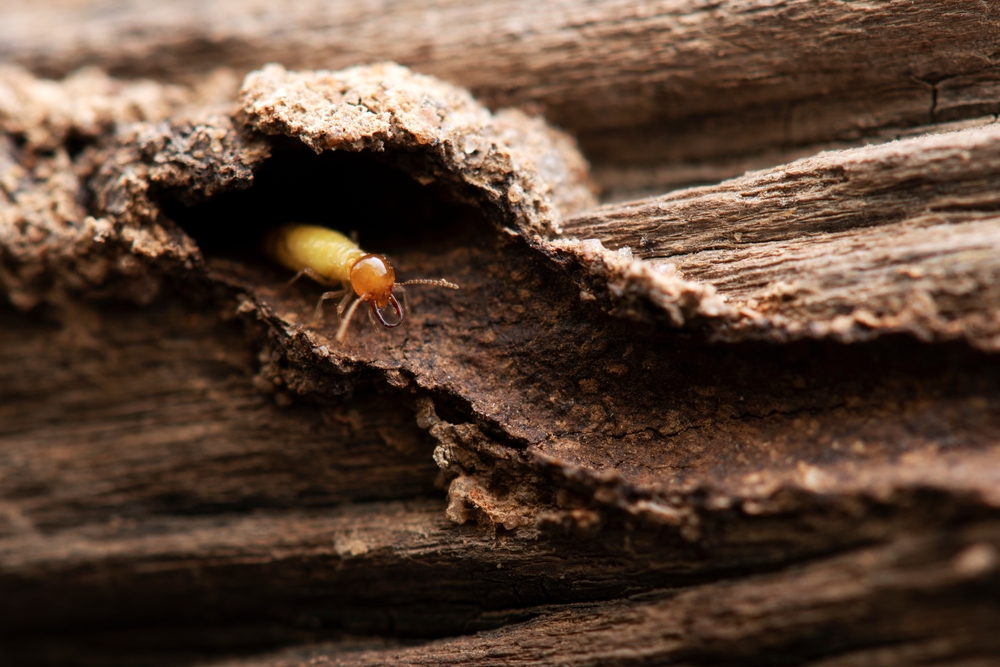
Termites never wander randomly into a yard. They follow food, moisture, and shelter with the focus of a tiny demolition crew that knows exactly where dinner waits. Some gardens practically roll out the red carpet for them, while others stay strangely termite-free even when located in the same neighborhood. The difference rarely comes down to luck. Specific landscaping habits, plant choices, and maintenance routines quietly influence whether termites see a garden as a buffet or simply pass by on their underground commute.
Plenty of gardens unintentionally offer everything termites crave: damp soil, soft wood, and quiet hiding spots where sunlight never interferes. A few small choices during planting, watering, or decorating can transform a peaceful backyard into a termite magnet without anyone noticing.
1. Mulch Mountains: The Termite Buffet Nobody Talks About
Mulch ranks among the most popular garden tools, and for good reason. It locks moisture into soil, regulates temperature, and keeps weeds from staging a hostile takeover. However, thick layers of organic mulch also create an environment termites adore. Wood-based mulch supplies both shelter and food, especially when gardeners pile it too deeply or press it right against wooden structures. Termites navigate easily through damp mulch while staying hidden from sunlight and predators.
Garden beds often feature bark chips, shredded wood, or pine nuggets that slowly decompose over time. Termites treat that slow breakdown like an all-you-can-eat buffet. The insects break down cellulose found in wood, so mulch essentially delivers their favorite ingredient in convenient bite-sized pieces. A yard filled with thick mulch beds near fences, decks, or home foundations can encourage termites to move closer and explore nearby structures.
Smart mulch use still belongs in a healthy garden, but moderation makes a huge difference. Gardeners gain better control by keeping mulch layers around two to three inches thick instead of building towering piles. Space also matters. A clear gap between mulch and wooden structures removes the direct pathway termites often use to travel unnoticed.
2. Thirsty Soil: Moisture That Calls Termites From Miles Away
Termites crave moisture almost as much as they crave wood. A garden with constantly wet soil signals opportunity for nearby colonies. Termites dry out quickly when exposed to open air, so damp environments allow them to move safely underground while they search for food sources. Overwatering, poor drainage, and shaded areas that never dry out can transform soil into prime termite territory.
Sprinkler systems sometimes create trouble without gardeners realizing it. Sprinkler heads often spray water directly against fences, tree trunks, or wooden garden borders. That repeated soaking softens wood and keeps surrounding soil damp for long stretches of time. Termites sense that combination instantly. A soggy garden bed offers perfect conditions for them to explore new feeding grounds.
Heavy clay soil can also trap water after rainstorms. Water lingers near the surface when drainage slows down, and termites happily take advantage of that lingering moisture. Dense plant growth sometimes worsens the situation by blocking airflow and sunlight that normally help soil dry out.
Simple adjustments dramatically reduce that moisture signal. Gardeners can reposition sprinkler heads so water lands where plants actually need it instead of soaking wood. Raised beds with well-draining soil prevent water from pooling around plant roots and wooden edges. Gravel trenches or drainage channels can move excess water away from vulnerable areas.
3. Dead Wood and Forgotten Debris: A Hidden Termite Playground
Every garden collects debris over time. Fallen branches, old stumps, leftover lumber from a past project, or even decorative logs can quietly accumulate in corners of the yard. Termites treat those forgotten materials like a training ground before they move toward bigger wooden structures. Decaying wood gives them easy access to cellulose while remaining soft enough for quick tunneling.
Tree stumps create one of the most common termite magnets in landscaping. After a tree comes down, the stump remains packed with nutrients that slowly decay underground. Termites quickly move in and begin feeding. A colony that settles inside an old stump can eventually expand outward toward fences, sheds, or houses.
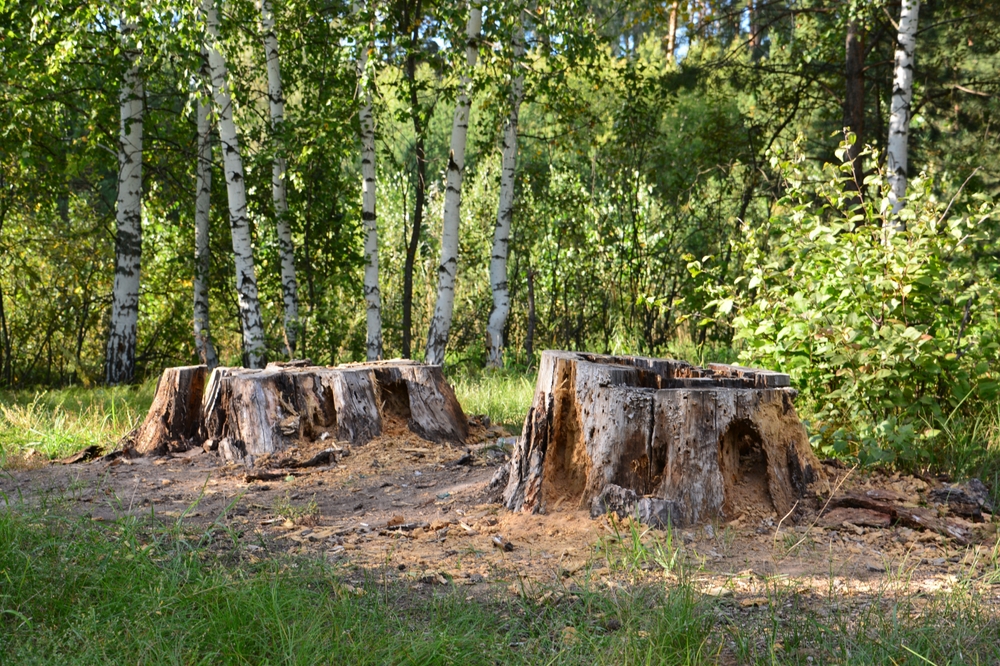
Wooden garden decorations can also attract attention. Rustic borders, untreated trellises, and decorative logs might look charming, yet termites see them as edible architecture. Many gardeners install those elements directly on soil, which allows termites to move straight from underground tunnels into the wood.
Routine yard cleanup eliminates many of those risks. Removing fallen branches and decaying logs prevents termites from establishing an early foothold. Grinding down tree stumps or fully removing them removes one of the largest termite attractions a yard can contain. Treated wood or composite materials offer safer alternatives for decorative garden structures.
4. Plants, Shade, and the Quiet Corners Termites Love
Plant choices and garden layout influence termite activity more than most people realize. Dense vegetation creates shaded pockets where sunlight struggles to reach the soil. Those cooler, darker areas help soil stay moist for longer periods, which termites appreciate. Thick shrubs planted close together often produce the perfect hiding zone for underground insects.
Groundcover plants sometimes contribute to the problem. Ivy, creeping vines, or sprawling ornamental plants can cover large sections of soil and trap moisture beneath their leaves. Termites move through those shaded spaces without ever facing open sunlight. The insects gain both protection and a comfortable environment for exploration. Garden borders placed directly against structures also increase termite appeal. Plants growing tight against wooden fences or exterior walls keep those surfaces shaded and damp. Termites often use that coverage as a hidden bridge while they travel from soil into wood.
Thoughtful spacing changes everything. Plants arranged with breathing room allow sunlight and airflow to reach the soil surface. That extra light dries out moisture faster and reduces termite-friendly conditions. Pruning shrubs regularly also prevents dense shade from forming in the first place.
Strategic plant placement can even help protect vulnerable structures. Garden beds positioned slightly away from fences or buildings reduce the chances that termites will travel directly from soil into wood. A garden still bursts with color and life, yet termites lose their favorite shortcuts.
The Garden That Outsmarts Termites
Termites follow simple instincts, and those instincts revolve around food, moisture, and safety. Gardens that accidentally supply all three create the perfect environment for termite exploration. Thick mulch piles, soggy soil, forgotten wood, and heavy shade can quietly turn a beautiful yard into prime termite real estate.
Fortunately, small changes reshape the entire equation. Balanced mulch layers, proper drainage, and routine cleanup eliminate many of the conditions termites rely on. Smart plant spacing allows sunlight and airflow to dry soil naturally. Even simple habits like lifting firewood off the ground or removing old stumps can dramatically reduce termite interest.
Which garden habits seem most common in local yards, and what clever tricks have worked best for keeping termites away? We want to hear your ideas in the comments section below!
You May Also Like…
March Garden Pests That Show Up Before You Notice the Damage
Termite Prevention Tips for Raised Beds
Why Termite Activity Can Increase Around Gardens in Early Spring
The Most Overlooked Spring Pest: Cutworms

Brandon Marcus is a staff writer for FrugalGardening.com at District Media, Inc., where he delivers practical gardening advice with a relatable, no-nonsense style. An avid amateur gardener, he holds a BA degree and with over ten years of professional writing experience, he is also an award-winning published author whose first book, Questions For Deep Thinkers, was released by Adams Media. His work has appeared in major publications including Fandom.com, CHUD.com, TheColdWire.com, and Fansided.com.
Leave a Reply