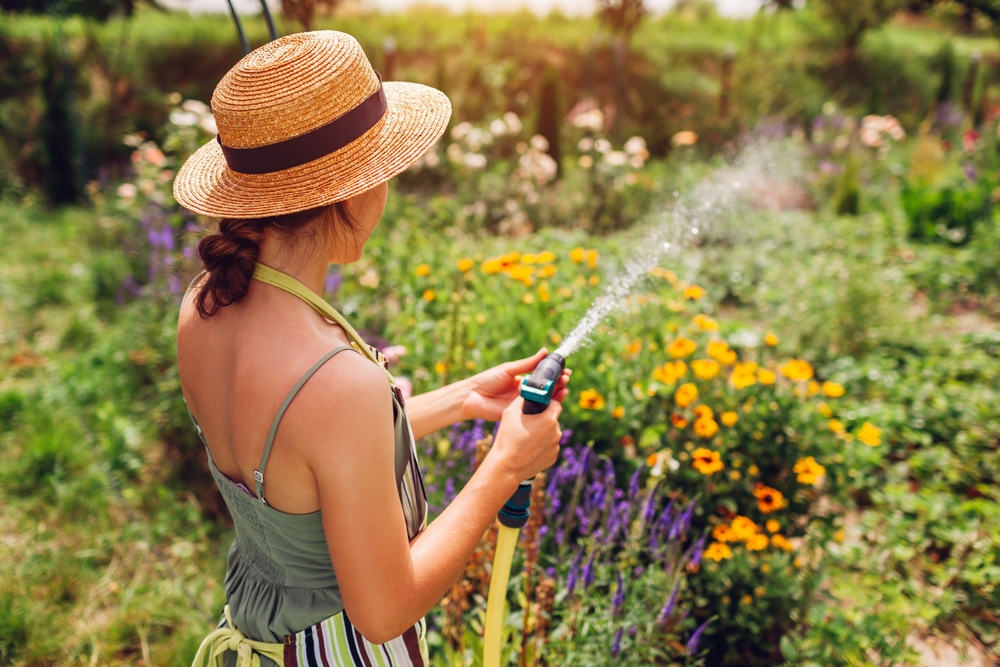
March demands attention. One wrong move with a hose or sprinkler can push a water bill higher than the temperature outside. Early spring tempts homeowners to crank up irrigation systems the first time the sun feels warm on their shoulders. Grass starts greening, garden beds stir, and suddenly everything looks thirsty.
But March sits in a tricky spot on the calendar. Soil still holds winter moisture in many regions, plants wake up at different speeds, and evaporation rates remain lower than in peak summer heat. When watering habits ignore those realities, money flows straight down the drain.
1. Turning On the Sprinklers Too Soon
The first warm stretch in March sparks a rush to switch irrigation systems back on. That instinct feels productive, but it often wastes water. In many climates, soil still contains moisture from winter rain or snow. Grass roots remain shallow and slow-growing, so they simply do not need frequent watering yet.
When sprinklers run too early, water saturates soil that already holds enough moisture. That excess does not help plants grow faster. It encourages shallow root systems because roots stay near the surface where water collects. Shallow roots make lawns weaker when real heat arrives. Instead of setting a fixed schedule in early March, check the soil first. Dig a few inches down in the lawn or garden bed. If the soil feels damp below the surface, skip watering. A soil moisture meter, which gardeners can pick up at most home improvement stores, offers a quick and reliable reading. This simple tool removes guesswork and helps gardeners decide when irrigation truly makes sense.
2. Watering on a Summer Schedule in Spring
March does not behave like July, even if one afternoon feels like it. Evaporation rates stay lower in early spring because temperatures remain cooler and the sun sits lower in the sky. Plants grow more slowly, and they use less water. Yet many homeowners program irrigation controllers with the same frequency they used last summer. Watering plants three or four times a week in March often drowns turf and ornamental plants. Overwatering increases the risk of fungal diseases in cool-season grasses because moisture lingers longer on blades and in soil.
A smart irrigation controller can fix this problem. Modern controllers adjust watering schedules based on local weather data, rainfall totals, and temperature trends. Gardeners who install one of these systems often see a noticeable drop in water usage without sacrificing plant health. Even a basic timer adjustment—cutting frequency in half during March—can protect both lawns and wallets.
3. Ignoring Rainfall Because “It Wasn’t That Much”
A light spring rain might not look dramatic, but it still counts. Many lawns need only about one inch of water per week during active growth, and that total includes rainfall. When irrigation systems ignore recent rain, they double up on moisture. March often brings scattered showers that keep soil consistently damp. Adding a full sprinkler cycle on top of that rainfall pushes soil past its ideal moisture level. Roots need oxygen as much as they need water. Saturated soil squeezes out air pockets and stresses plants.
Rain gauges provide a surprisingly powerful solution. Placing a simple gauge in the yard allows gardeners to track weekly totals. If rain already delivered half an inch, irrigation should make up only the difference. Many smart irrigation controllers also connect to rain sensors that automatically pause watering after storms. This tool does more than protect turf; gardeners can use it in vegetable beds and flower gardens to fine-tune watering and prevent root rot.
4. Watering at the Wrong Time of Day
Timing shapes efficiency. In March, many people water in the late afternoon simply because they feel busy in the morning. That choice creates problems. Water that sits on grass overnight increases disease risk, especially in cool, damp spring conditions. Early morning watering, ideally between 4 a.m. and 9 a.m., allows moisture to soak into the soil before winds pick up and temperatures climb. Grass blades dry quickly after sunrise, which reduces fungal pressure. This timing also improves absorption because the soil surface stays cooler.
Gardeners who rely on hoses rather than automated systems can still follow this rule. Setting a reminder to water in the morning pays off in stronger plants and lower bills. For those who prefer automation, irrigation timers handle the schedule with precision and consistency.
5. Letting Sprinkler Heads Spray Sidewalks and Driveways
March offers the perfect window to inspect irrigation systems. Sprinkler heads often shift during winter freezes, lawn mowing, or foot traffic. When systems fire up in spring, many spray sidewalks, driveways, or fences instead of grass. That overspray wastes water immediately. Even small misalignments add up over weeks of watering. Hard surfaces do not absorb moisture, so runoff carries water straight into storm drains.
A quick walk around the yard while the system runs reveals these problems. Adjusting sprinkler heads usually requires only a simple twist or repositioning. Replacing damaged nozzles improves distribution and prevents pooling. Gardeners who use drip irrigation in flower beds or vegetable gardens should check for cracked tubing or loose emitters. Drip systems deliver water directly to roots, which reduces evaporation and waste, but only when they function properly.
6. Treating Every Plant the Same
Lawns, shrubs, perennials, and vegetables do not share identical water needs in March. Cool-season grasses such as fescue or ryegrass may require moderate moisture as they enter active growth. Meanwhile, many established shrubs rely on deeper root systems and need far less frequent watering. Blanket irrigation schedules ignore these differences. When one zone runs too long, another zone may suffer. Overwatering newly planted annuals can stunt growth just as easily as underwatering them.
Zone-based irrigation systems solve this issue. Each section of the yard receives water based on plant type and sun exposure. Gardeners who water by hand can still adopt this mindset. Group plants with similar needs together and adjust watering amounts accordingly. A moisture meter once again proves useful here. Checking soil conditions around different plant types prevents unnecessary watering and keeps growth balanced.
7. Forgetting to Mulch Garden Beds
Water conservation does not rely on irrigation alone. Mulch plays a powerful role in March because it locks moisture into soil just as temperatures begin to rise. Without mulch, soil loses water faster through evaporation, even in mild spring weather. Applying a two- to three-inch layer of organic mulch around trees, shrubs, and in garden beds reduces moisture loss and suppresses weeds that compete for water. Mulch also moderates soil temperature, which supports steady root development.
Gardeners who combine mulch with drip irrigation create a highly efficient system. Drip lines deliver water directly to roots, and mulch holds it there longer. This pairing reduces the need for frequent watering and keeps bills under control as the season progresses.
8. Forgetting to Check Water Pressure
High water pressure can sabotage irrigation efficiency. When pressure exceeds recommended levels, sprinkler heads produce mist instead of steady streams. That mist drifts away in even light wind, which wastes water before it reaches the ground.
March provides an ideal time to test pressure because systems come back online after winter. Installing a pressure regulator or pressure gauge helps maintain proper flow. Gardeners who use drip irrigation especially need pressure control, since excessive force can blow out emitters or cause uneven distribution.
Maintaining correct pressure protects equipment, reduces water waste, and extends the life of the system. That kind of maintenance costs far less than repairing damage later in the season.
The Real Cost of Getting March Wrong
March sets the tone for the entire growing season. Overwatering now trains plants to expect constant moisture, weakens roots, and inflates utility bills long before summer heat arrives. Smart timing, simple tools, and a bit of observation can change the outcome dramatically.
Soil moisture meters, rain gauges, smart irrigation controllers, drip systems, and mulch each play a role in smarter gardening. None of these tools require complicated training, yet each one helps align watering with actual plant needs rather than guesswork.
March does not demand more water. It demands better decisions. Which of these watering habits needs a second look before your next utility bill arrives? Let’s hear all of your spring gardening advice in the comments section below.
You May Also Like…
March Weeds That Spread Quickly If You Ignore Them
The Compost Mistake That Wastes Money Every Spring
The $20 Soil Fix That Can Rescue a Struggling Spring Garden
Vets Say This Popular Spring Bulb Is Causing Serious Health Issues in Dogs
The Watering Habit That’s Quietly Killing Your Plants (Experts Are Begging Gardeners to Stop)

Brandon Marcus is a staff writer for FrugalGardening.com at District Media, Inc., where he delivers practical gardening advice with a relatable, no-nonsense style. An avid amateur gardener, he holds a BA degree and with over ten years of professional writing experience, he is also an award-winning published author whose first book, Questions For Deep Thinkers, was released by Adams Media. His work has appeared in major publications including Fandom.com, CHUD.com, TheColdWire.com, and Fansided.com.
Leave a Reply