Spring weather loves drama. One day brings warm sunshine that tricks every gardener into summer mode, and the next day snaps back with frost warnings and chilly winds. Plants and garden choices that cannot handle this emotional rollercoaster quickly fade, leaving empty patches and frustration behind.
Smart gardeners plan for instability instead of fighting it. These seven spring selections blossom through temperature swings, surprise storms, and shifting soil conditions. Each one brings resilience, beauty, and reliability when spring refuses to cooperate.
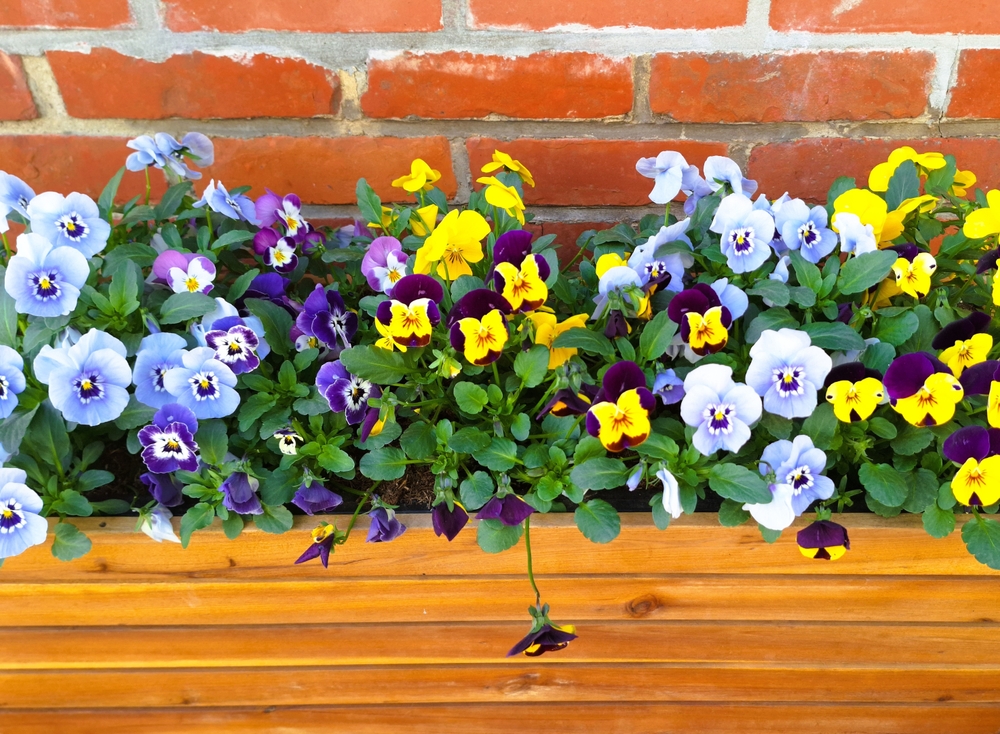
1. Pansies That Refuse to Quit in Cold or Warm Spells
Pansies bring color when most gardens still look half asleep. These cheerful blooms tolerate cold nights that dip close to freezing and still bounce back under mild daytime sun. Gardeners often use them as early spring anchors because they keep performing when other flowers stall. Their ability to handle temperature swings makes them a dependable first layer in unpredictable weather.
Strong root systems help pansies recover quickly after stress. Regular watering and light feeding keep them producing blooms through fluctuating conditions. They also thrive in containers, which allows easy relocation during extreme cold snaps. Few flowers deliver such reliable color during spring’s mood swings.
2. Kale That Stays Strong Through Frost and Sunbursts
Kale stands as one of the toughest leafy greens for fluctuating spring conditions. Cold nights actually improve its flavor, while warm afternoons encourage steady growth. This dual tolerance makes kale a reliable crop when weather patterns refuse to settle. Many gardeners harvest it repeatedly without worrying about sudden drops in temperature.
Consistent spacing and nutrient-rich soil help kale maintain strong leaves through unpredictable swings. It resists damage from light frost better than most vegetables, which reduces early-season losses. Even after a cold snap, kale quickly resumes growth without significant setback. This resilience turns it into a spring garden powerhouse.
3. Tulips That Embrace the Cold Before Blooming Boldly
Tulips rely on cool soil to develop properly, making them ideal for unstable early spring weather. Their bulbs store energy underground, which protects them from sudden temperature changes. When warmer days finally arrive, tulips respond with bold, dramatic blooms that transform garden beds. Their timing aligns perfectly with spring’s unpredictable transitions.
Planting depth plays a major role in tulip success during fluctuating conditions. Deeper planting shields bulbs from rapid temperature shifts in the soil. Once established, tulips require little intervention beyond basic watering. Their natural rhythm works beautifully with spring’s unpredictable climate swings.
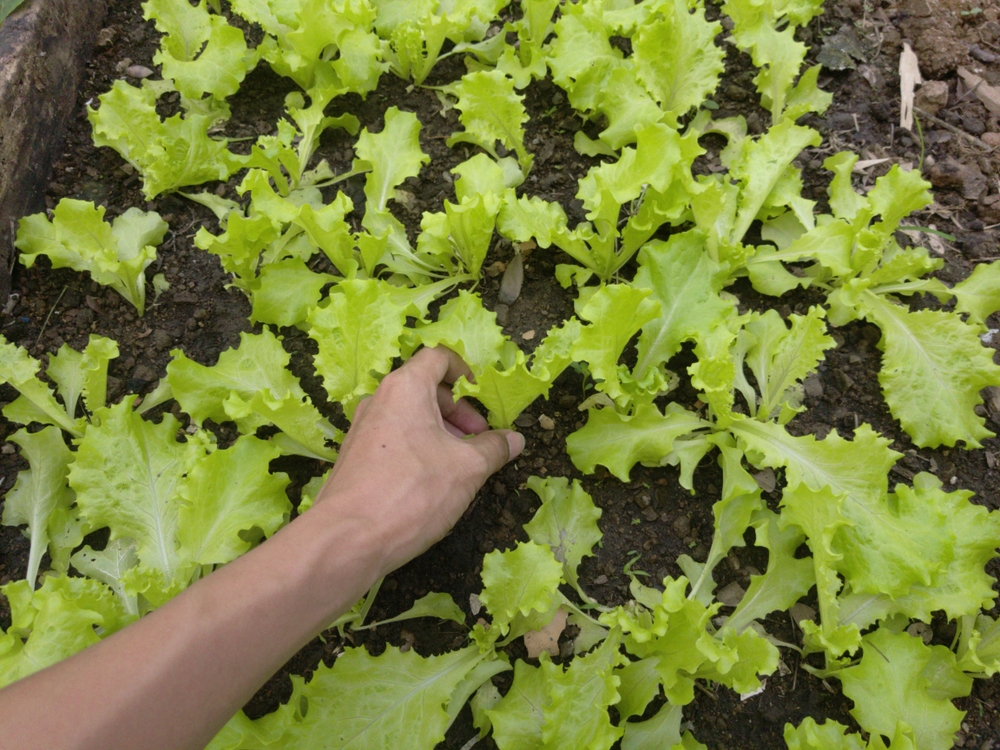
4. Lettuce Mixes That Handle Quick Weather Shifts
Lettuce varieties do well in cool weather but also tolerate brief warm spells without immediate bolting. Mixed blends offer even more resilience because different types respond differently to temperature changes. This diversity creates a steady harvest window even when weather patterns shift daily. Gardeners appreciate how quickly lettuce matures in early spring conditions.
Shaded areas help lettuce avoid heat stress during unexpected warm days. Consistent moisture keeps leaves tender and prevents bitterness during fluctuating temperatures. Succession planting also ensures continuous growth despite unpredictable weather interruptions. These greens reward gardeners who plan for variability.
5. Peonies That Stand Firm Through Seasonal Mood Swings
Peonies tolerate cold springs and bounce back from late frosts without losing their structure. Their thick stems and deep root systems help them stabilize during wind and rain. Once established, they return every year with increasing strength and fuller blooms. Few perennial flowers match their long-term reliability in unpredictable climates.
Support rings help peonies maintain upright growth during heavy spring storms. Proper spacing allows airflow that prevents disease during damp, fluctuating conditions. Even after sudden cold snaps, buds usually recover and continue developing. This makes peonies a dependable long-term garden investment.
6. Carrots That Push Through Soil Despite Temperature Swings
Carrots germinate in cool soil and tolerate fluctuating temperatures better than many root crops. Their underground development protects them from sudden frost or heat bursts. Once sprouted, they continue growing steadily even when surface conditions shift rapidly. This resilience makes them a staple for early-season planting.
Loose, well-drained soil helps carrots expand smoothly during unpredictable weather cycles. Consistent moisture supports even root development despite temperature changes. Thinning seedlings improves airflow and reduces competition during growth spurts. These simple steps maximize success in variable spring conditions.
7. Hydrangeas That Adapt Their Growth to Shifting Conditions
Hydrangeas handle fluctuating spring weather with surprising flexibility. Their buds develop gradually, which helps them avoid damage from sudden cold snaps. As temperatures stabilize, they produce large clusters of blooms that flourish in both sun and partial shade. Their adaptability makes them a standout shrub for transitional seasons.
Mulching around hydrangeas stabilizes soil temperature during unpredictable shifts. Regular watering supports consistent bud development through warming and cooling cycles. Pruning at the right time encourages stronger blooms even after weather stress. These shrubs reward patience with dramatic seasonal displays.
Resilient Picks That Turn Unpredictable Spring Into Opportunity
These seven selections thrive when spring refuses to follow a predictable script. Each plant or crop brings its own survival strategy, from underground protection to cold-loving growth patterns. Gardeners who mix these choices create landscapes that stay productive and colorful despite shifting conditions. Stability in the garden often comes from diversity rather than control. Smart planning turns weather fluctuations into a natural advantage instead of a setback.
Strong gardens rarely depend on perfect weather. They depend on resilient choices that adapt, recover, and keep growing through every twist of the season. These selections prove that spring’s unpredictability can still produce stunning results.
What spring garden favorite has handled unpredictable weather the best in your experience?
You May Also Like…
The Pest Cycle That Begins in Late Spring
6 Spring-Ready Crops That Establish Quickly
10 Low-Maintenance Picks That Perform Well in Late Spring
7 Vegetables That Germinate Fast Even in Unpredictable Spring Weather
Why Some Cities Are Cracking Down on Front Yard Vegetable Gardens Again

Brandon Marcus is a staff writer for FrugalGardening.com at District Media, Inc., where he delivers practical gardening advice with a relatable, no-nonsense style. An avid amateur gardener, he holds a BA degree and with over ten years of professional writing experience, he is also an award-winning published author whose first book, Questions For Deep Thinkers, was released by Adams Media. His work has appeared in major publications including Fandom.com, CHUD.com, TheColdWire.com, and Fansided.com.
Leave a Reply