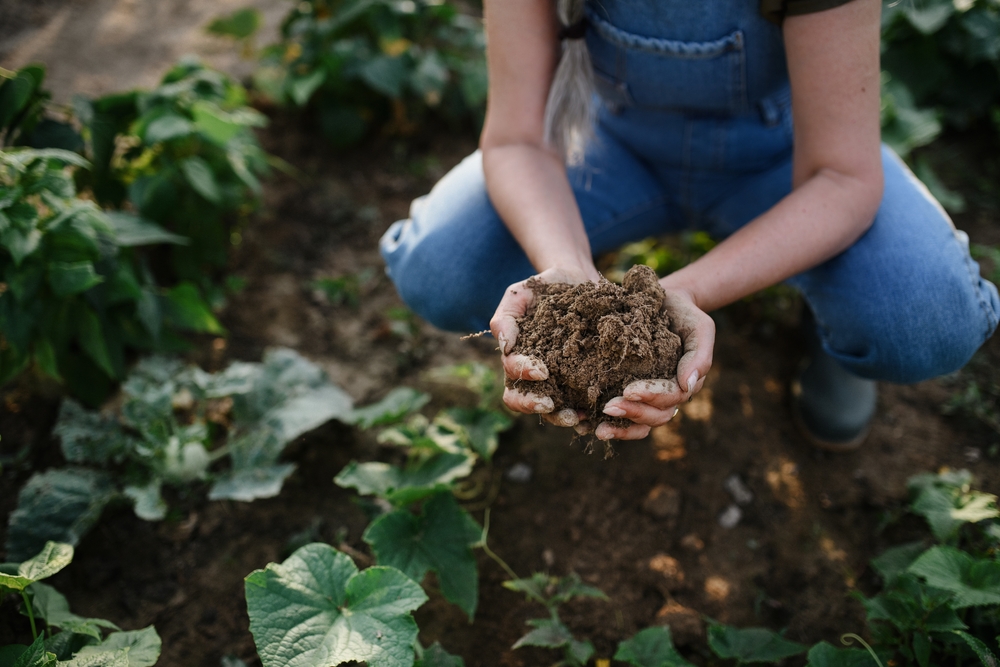
Healthy soil acts like a power source for every thriving garden, and small changes can trigger surprisingly fast improvements. Gardeners often focus on plants while the real transformation starts underground where roots interact with nutrients, microbes, and moisture. When soil structure improves, plants respond with stronger stems, richer color, and faster growth almost immediately.
The best part comes from simple techniques that do not require expensive tools or complicated systems. These five soil health upgrades deliver noticeable results quickly and set the stage for long-term garden success.
1. Compost Addition That Sparks Immediate Soil Activity
Compost delivers one of the fastest ways to energize tired soil and boost microbial life. Gardeners spread a two-to-three inch layer across garden beds and gently work it into the topsoil for quick integration. Microbes immediately begin breaking down organic matter and releasing nutrients that plants can absorb within days. Soil texture improves as compost helps sandy soil hold moisture and clay soil loosen up. Plants respond quickly with stronger leaf color and improved growth rates because roots gain easier access to nutrients.
Compost also improves soil biology by introducing beneficial organisms that compete with harmful pathogens. Earthworms often move into compost-rich soil and further enhance aeration and nutrient cycling. Vegetable gardens especially benefit from this upgrade since crops like tomatoes and lettuce demand nutrient-rich environments. Even container gardens show visible improvement after compost gets mixed into potting soil. Consistent compost use builds long-term fertility while delivering fast visible results in just one growing cycle.
2. Soil Aeration That Unlocks Root Growth
Soil compaction suffocates roots and limits water movement, so aeration quickly changes plant performance. Gardeners loosen compacted soil using a garden fork or broadfork, pushing air channels deep into the ground. These openings allow oxygen to reach roots and help water spread evenly through the soil profile. Plants respond quickly because roots expand into newly created spaces without resistance. Lawns, vegetable beds, and flower gardens all show noticeable improvement after aeration.
Aeration also boosts microbial activity by giving beneficial organisms the oxygen they need to thrive. Soil life accelerates decomposition of organic matter and releases nutrients faster to plants. Heavy clay soils benefit the most since they often trap water and limit root movement. Even lightly compacted soil gains improved drainage and reduces surface runoff during watering. Gardeners often notice greener foliage and stronger root systems within a short period after aeration.
3. Mulch Layers That Stabilize Soil Conditions Fast
Mulch works like a protective blanket that regulates temperature, moisture, and weed pressure almost immediately. Gardeners apply shredded bark, straw, or leaf mulch in a two-to-four inch layer around plants to lock in moisture. Soil temperatures stabilize quickly, which helps roots avoid stress during hot afternoons or cool nights. Water evaporation slows down significantly, allowing plants to use moisture more efficiently. This stability encourages faster and healthier growth across all plant types.
Mulch also improves soil quality over time as organic materials break down into the soil surface. Earthworms and microbes break apart mulch and pull nutrients deeper into the root zone. Weed growth drops dramatically, which reduces competition for nutrients and water. Flower beds look cleaner and more organized while vegetable gardens maintain consistent hydration levels. The combination of protection and slow nutrient release creates fast visible improvements in plant vigor.
4. Microbial Boosters That Activate Soil Life
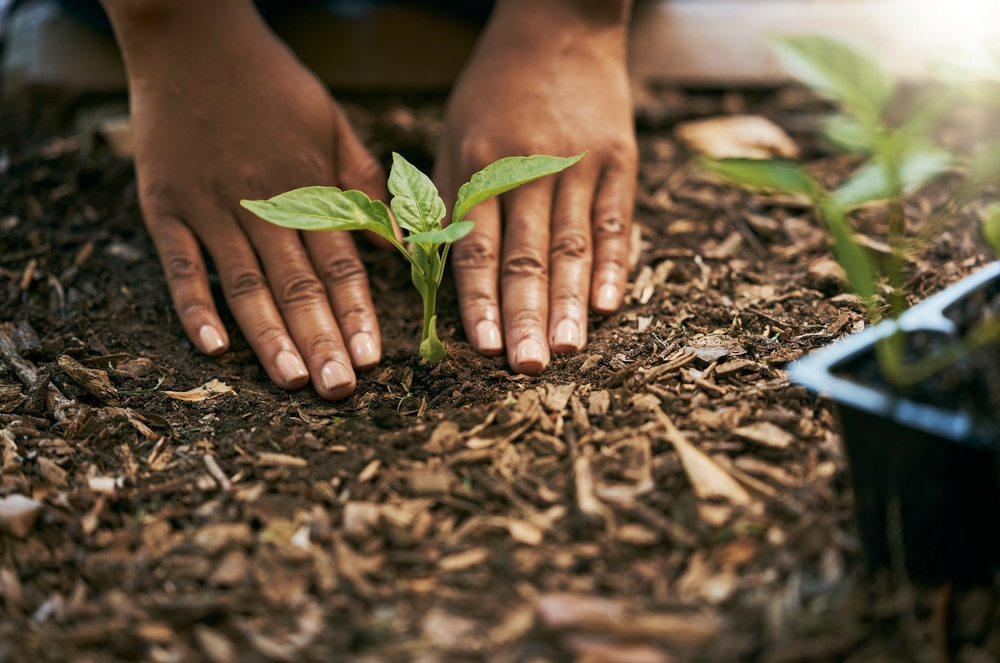
Soil thrives when microbial populations stay active, and boosters like compost tea or beneficial inoculants trigger rapid improvements. Gardeners apply liquid microbial solutions directly to soil or plant roots to introduce beneficial bacteria and fungi. These organisms begin working immediately to break down organic matter and convert nutrients into plant-friendly forms. Plants absorb these nutrients quickly and often show greener leaves within days. Root systems also expand faster because microbial partnerships support nutrient exchange.
Microbial boosters also help suppress harmful pathogens by increasing competition in the soil ecosystem. Gardeners notice fewer disease issues when beneficial microbes dominate the root zone. Raised beds and containers respond especially well because their soil ecosystems need frequent replenishment. Regular application strengthens long-term soil resilience while delivering quick performance gains. Healthy microbial activity transforms average soil into a highly productive growing environment.
5. pH Balancing That Unlocks Hidden Nutrients
Soil pH directly controls nutrient availability, and small adjustments can unlock major plant improvements. Gardeners test soil pH using simple kits and then apply lime to raise pH or sulfur to lower it. Correcting pH levels allows plants to access nutrients already present in the soil but previously locked away. This change often produces rapid greening and stronger growth because plants finally absorb essential minerals. Vegetables and flowering plants both respond quickly to balanced pH conditions.
Balanced pH also improves microbial performance since beneficial organisms thrive within specific pH ranges. Soil amendments integrate into the ground faster when gardeners water consistently after application. Acidic or overly alkaline soil often causes stunted growth, yellowing leaves, and poor yields. Fixing pH issues eliminates these problems and restores natural plant vigor. Gardeners often see noticeable improvement within a single growing season after proper adjustment.
Rapid Soil Wins That Transform Garden Performance
These five soil improvements work quickly because they directly target structure, biology, moisture, and nutrient availability. Compost feeds the soil, aeration opens it, mulch protects it, microbes activate it, and pH balance unlocks it. Each method supports the others, creating a layered system that boosts plant health from multiple angles. Gardeners who combine these techniques often notice stronger growth within days and major improvement within weeks. Soil health drives every successful garden, and these changes create visible transformation faster than most expect.
What soil improvement delivers the fastest results in your garden, and what changes show up first in plant growth?
You May Also Like…
6 Low-Nutrient Soil Options That Still Produce Results
Why Mulch Is Essential for Retaining Soil Moisture
Why Leaves Droop Even When Soil Feels Moist
6 Selections That Perform Well in Clay Soil
Why Adding Compost Now Can Transform Soil Quality

Brandon Marcus is a staff writer for FrugalGardening.com at District Media, Inc., where he delivers practical gardening advice with a relatable, no-nonsense style. An avid amateur gardener, he holds a BA degree and with over ten years of professional writing experience, he is also an award-winning published author whose first book, Questions For Deep Thinkers, was released by Adams Media. His work has appeared in major publications including Fandom.com, CHUD.com, TheColdWire.com, and Fansided.com.
Leave a Reply