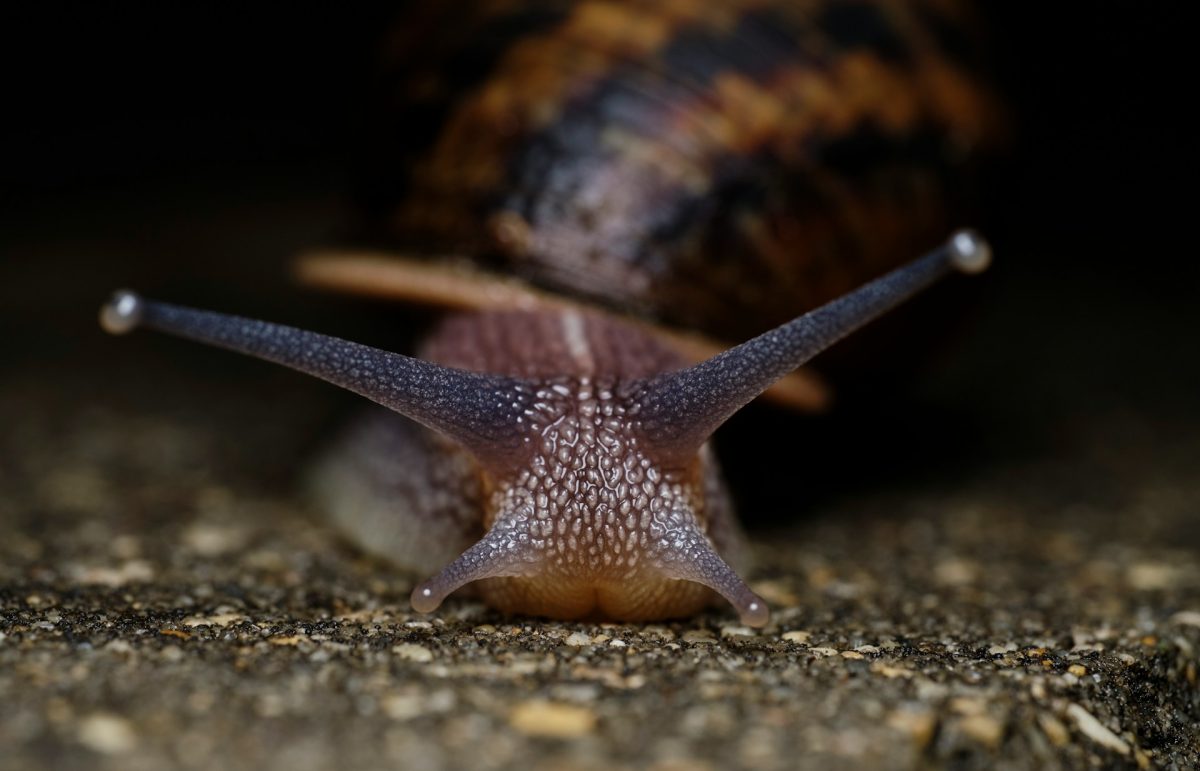
A single night of spring rain can transform a quiet garden into a slow-moving feast. Leaves that looked flawless yesterday suddenly show ragged holes, seedlings disappear at the soil line, and shiny trails twist across paths and patio stones. The culprits rarely rush or hide with much urgency. Slugs and snails simply glide through damp air and soft soil, confident that perfect conditions have arrived.
Digging into why these creatures explode into activity after rain reveals a fascinating slice of backyard ecology. Moisture, temperature, food availability, and biology all combine to create a perfect storm for slug and snail activity. Gardeners who learn how those factors work gain a powerful advantage when protecting tender plants.
Rain Creates the Perfect Highway for Soft-Bodied Travelers
Slugs and snails depend on moisture more than most garden animals. Their bodies contain large amounts of water, and dry air quickly pulls that moisture away. Without damp conditions, these animals face dehydration within hours. Spring rain solves that problem instantly and dramatically. Rain saturates soil, dampens leaves, and cools the air near the ground. That blanket of humidity allows slugs and snails to move freely without losing water. Their muscular foot glides across a layer of mucus that reduces friction and protects delicate tissue from rough surfaces. Dry ground forces that mucus to evaporate quickly, which slows movement and threatens survival. Wet ground keeps the surface slick and safe.
Rain also softens soil and mulch. That change gives slugs and snails easier access to hiding places during daylight hours. Loose, moist soil lets them slip beneath the surface, while soggy mulch provides dark shelter that holds moisture. These protected spaces allow them to wait comfortably until evening, when cooler temperatures invite another round of feeding.
Spring Growth Serves an All-You-Can-Eat Buffet
Spring rain does not just help slugs and snails move around. It also fuels explosive plant growth, which creates a buffet of tender leaves and shoots. Young plants contain higher water content and softer cell walls than mature foliage. Slugs and snails prefer those delicate tissues because they chew through them with minimal effort. Seedlings suffer the most damage. A single slug can consume an entire sprout overnight, especially leafy vegetables such as lettuce, spinach, or cabbage. Garden beds filled with fresh growth attract these mollusks like bright lights attract moths.
Decaying organic matter adds another major food source. Fallen leaves, compost, and dying plant material soak up rainwater and soften quickly. Slugs and snails thrive on that decomposing material, which means gardens rich in organic mulch provide both shelter and food. Healthy soil encourages plant growth, but it also supports the small ecosystem that feeds these quiet grazers.
Nighttime Moisture Supercharges Their Feeding Frenzy
Most slug and snail activity happens after sunset. Darkness protects them from birds, beetles, and other predators that hunt by sight. Spring rain strengthens that advantage by keeping nighttime air cool and humid. Warm, dry evenings limit their movement. Cool, damp nights remove those limits completely. Slugs and snails travel farther, climb higher, and feed longer when moisture lingers in the air. That expanded feeding window often leads to sudden plant damage that appears overnight.
Heavy cloud cover adds another boost. Clouds trap moisture near the ground and prevent rapid evaporation. With the sky sealed like a lid, humidity stays high long after rainfall stops. Slugs and snails treat those conditions like an open invitation to roam every corner of a garden.
Reproduction Explodes When Moisture Arrives
Spring rain does more than encourage feeding. It also sparks reproduction. Many slug and snail species lay eggs in moist soil, under stones, or beneath mulch where humidity remains stable. Each adult can produce dozens of eggs at a time. In favorable conditions, those eggs hatch within a few weeks. Moist soil protects the developing embryos and prevents the eggs from drying out. Rainy weather, therefore, increases both survival rates and the number of young that reach maturity.
Population growth can feel sudden because these animals hide well during dry periods. When wet weather arrives, mature adults emerge at the same time young slugs begin feeding. That combination creates the impression that a garden suddenly filled with hundreds of hungry pests overnight.
Smart Garden Strategies Keep Damage Under Control
Complete elimination of slugs and snails rarely succeeds, but thoughtful strategies can limit their impact. Gardeners who combine several simple tactics usually see the best results. Regular inspection makes a powerful first step. Slugs and snails hide beneath boards, stones, and dense mulch during the day. Lifting those objects and removing the animals reduces nighttime feeding. Evening garden walks with a flashlight also reveal active slugs before they reach valuable plants.
Barriers provide another effective defense. Copper tape around containers or raised beds creates a mild electrical reaction when slug slime touches the metal, which discourages crossing. Crushed eggshells or coarse sand can also slow movement across soil surfaces, though those materials work best when refreshed often.
Moisture management helps as well. Watering early in the morning allows soil surfaces to dry before nightfall. Drier evenings reduce slug activity and limit feeding opportunities. Gardeners who avoid heavy watering late in the day often notice fewer nighttime visitors.
Trap methods offer another option. Shallow containers filled with beer attract slugs, which crawl inside and drown. Boards or damp cardboard placed on soil create daytime shelters that gather slugs in one location for easy removal.
A Slow Creature That Thrives in the Right Conditions
Spring rain does not create slugs and snails out of thin air. It simply unlocks the conditions these animals need to move, feed, and reproduce at full speed. Moist soil protects their bodies, fresh plant growth feeds their appetites, and cool nights extend their activity.
Garden ecosystems always include these mollusks, yet knowledge changes the balance. Smart watering habits, predator-friendly habitats, and consistent monitoring can protect vulnerable plants while keeping the garden environment healthy.
What methods have worked best in your battle against slugs and snails in the garden? We need your advice and insight in the comments below.
You May Also Like…
Why Slugs Are Thriving in Oregon Right Now (And What You Can Do)
March Garden Pests That Show Up Before You Notice the Damage
12 Of The Worst Garden Pests And How To Get Rid Of Them
Why Your Raised Beds Might Be Harboring Pests Right Now—Even in Freezing Temps
Why Gardeners Are Burying This Common Pantry Item Under Their Plants — And What It Actually Does

Brandon Marcus is a staff writer for FrugalGardening.com at District Media, Inc., where he delivers practical gardening advice with a relatable, no-nonsense style. An avid amateur gardener, he holds a BA degree and with over ten years of professional writing experience, he is also an award-winning published author whose first book, Questions For Deep Thinkers, was released by Adams Media. His work has appeared in major publications including Fandom.com, CHUD.com, TheColdWire.com, and Fansided.com.
Leave a Reply