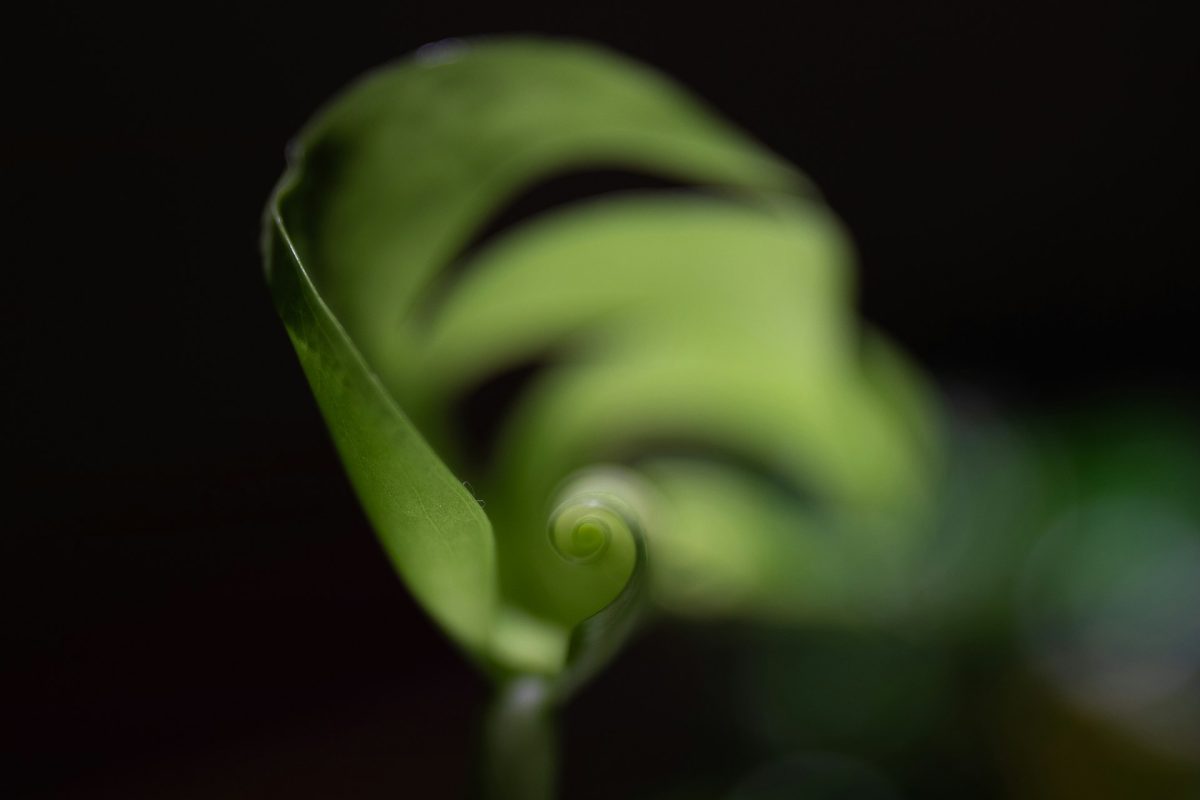
Spring arrives with a burst of life, but it also comes with a puzzle: those curling leaves on plants that make them look like they’re auditioning for a sculpture contest. While the shapes can seem whimsical, they carry important clues about what’s happening in soil, sunlight, and water. Ignoring them might lead to subtle stress turning into serious plant problems before the season even hits its stride. Observing leaves carefully during early spring sets the stage for a healthier garden all year long.
Understanding what curling leaves signal isn’t just about noticing a quirky twist—it’s about interpreting a silent language plants use to communicate. Different plants curl their leaves for different reasons, and spring is a time when environmental conditions shift rapidly. From overwatering to nutrient imbalances or even pest pressure, the causes can range from mild to urgent.
Twists From Too Much Sun
Some leaves curl upward and inward on bright spring days, acting like tiny shields against the sun. This reaction usually occurs when sunlight intensity increases faster than the plant’s ability to regulate water loss. Plants curl leaves to reduce surface area exposed to the sun, limiting evaporation and protecting delicate tissues. Noticing this early allows gardeners to implement shade strategies or relocate sensitive plants before stress affects growth. Mulching around roots can also help retain soil moisture, complementing the plant’s natural defense.
Repeated curling under sunlight may indicate that a plant requires more hydration or that its environment is hotter than ideal. Adjusting watering schedules in response to sunlight patterns ensures that plants maintain steady hydration without oversaturating the soil. Gardeners can also consider planting reflective barriers or temporary shade cloths to reduce heat stress. Observing how leaves respond throughout the day provides insight into a plant’s sun tolerance. Over time, these adjustments prevent damage and promote robust spring growth. Paying attention to these subtle twists allows gardens to thrive even under strong seasonal light.
Overwatering Turns Leaves Into Spirals
Ironically, too much care can create visible stress. Curling leaves often signal overwatering, which can suffocate roots and trigger fluid imbalance in leaves. Signs include soft, drooping foliage that curls at the edges, often combined with a yellowing tint. Correcting this starts with improving soil drainage or adjusting watering habits to allow roots to breathe. Container plants may need repotting with well-draining media, while garden beds can benefit from gentle aeration to ease compacted soil.
Persistent overwatering can also invite fungal growth or root rot, turning what seemed like a minor twist into a serious plant threat. Monitoring soil moisture levels with a simple finger test or moisture meter prevents repeated mistakes. Maintaining consistent watering patterns, rather than frequent shallow watering, supports healthier leaf structure. Observing leaf curling as a warning sign allows gardeners to respond quickly, protecting plants from prolonged stress and keeping spring growth on track.
Nutrient Deficiencies Write Their Own Curves
Curling leaves can also reveal hidden nutritional gaps. Magnesium and calcium deficiencies, for example, often manifest as curled leaf edges or distorted new growth. Nitrogen shortages may result in smaller leaves curling under their own weight. Identifying these patterns helps gardeners apply targeted fertilizers or soil amendments before deficiencies stunt growth or compromise plant health. Leaf curl in this context acts as an early alert, signaling what elements need supplementation to restore vigor.
Adjusting fertilization based on observed signs, rather than a strict schedule, ensures resources go where plants need them most. Compost, organic fertilizers, and targeted mineral supplements all support correction while enhancing soil health. Preventive soil testing in early spring can reveal imbalances before symptoms appear. By connecting leaf shape to nutrient levels, gardeners gain a proactive tool for maintaining lush, resilient spring foliage. These seemingly quirky leaf movements become a guide for smart, informed plant care.
Pests Leave Their Signature
Insects love to make their presence known through curling leaves. Aphids, thrips, and leaf miners can trigger leaf distortion as they feed on plant tissues, sometimes introducing disease in the process. Early detection makes control much easier, often avoiding chemical treatments entirely if caught in time. Inspecting the undersides of leaves and monitoring patterns of curling helps identify the culprit and determine appropriate interventions.
Natural pest control, including beneficial insects or careful pruning, can prevent widespread damage while maintaining garden ecology. Sticky traps or neem oil applications serve as additional tools without harming the environment. Timing matters, as pests often emerge in early spring when plants are especially tender. Keeping track of curling leaves as a symptom helps prevent infestations from escalating. Awareness transforms leaves from mere decoration into a diagnostic tool that protects plant health all season long.

Temperature Swings Twist Leaves
Spring’s unpredictability can confuse even the hardiest plants. Rapid shifts between warm days and cold nights often cause leaf curling, as plants struggle to regulate internal water and nutrient transport. Tender shoots and young leaves show the effects first, curling tightly to conserve resources. Gardeners can buffer temperature swings by using row covers, cloches, or temporary windbreaks to reduce shock.
Cold stress can amplify other issues, including dehydration and nutrient uptake problems, creating a cascade effect on leaf health. Monitoring weather forecasts and responding to extremes helps prevent curling from becoming a recurring problem. Mulching also moderates soil temperatures and supports root stability. Recognizing that leaves respond to temperature fluctuations allows gardeners to anticipate stress and protect plants before serious damage occurs. In this way, leaves act as real-time indicators of environmental pressure.
Quick Fixes for Curly Situations
Some leaf curl is temporary and correctable with basic care adjustments. Adjust watering, provide shade, inspect for pests, and supplement nutrients when needed. Small interventions often prevent minor problems from escalating, keeping spring gardens lush and vibrant. Observing patterns over time is key: consistent care leads to healthier plants and reduced curling.
Using mulch, temporary shade, and targeted fertilization creates an environment where plants can recover naturally. Rotating crops or repositioning containers ensures that sun exposure matches plant tolerance. Regular inspection and swift action prevent minor curls from becoming lasting deformities. Curling leaves serve as a feedback mechanism, allowing gardeners to respond quickly and maintain consistent growth. Even small, thoughtful adjustments can make a noticeable difference in spring garden success.
Leaves Are Clues, Not Critiques
Leaf curling in spring isn’t a flaw—it’s communication. Each twist, fold, or spiral signals something important about sun exposure, water balance, nutrients, pests, or temperature stress. Watching and responding ensures that small problems remain manageable and that gardens flourish with vigor. Curling leaves transform from puzzling quirks into valuable insights that guide care decisions for the season.
What patterns stand out in your own garden, and which strategies have proven most effective in tackling leaf curl? Give us tips, stories, or favorite solutions in the comments to keep the conversation growing and inspire others to see leaves in a whole new light.
You May Also Like…
March Garden Pests That Hide Underground
Leaf Mold Gold: Turning Yard Waste into Next Year’s Best Soil
What Yellowing Leaves in March Often Mean
9 Things to Do With Fallen Leaves That Aren’t “Rake and Bag”
Should You Leave Fallen Leaves or Clean Them Up? The Real Answer

Brandon Marcus is a staff writer for FrugalGardening.com at District Media, Inc., where he delivers practical gardening advice with a relatable, no-nonsense style. An avid amateur gardener, he holds a BA degree and with over ten years of professional writing experience, he is also an award-winning published author whose first book, Questions For Deep Thinkers, was released by Adams Media. His work has appeared in major publications including Fandom.com, CHUD.com, TheColdWire.com, and Fansided.com.
Leave a Reply