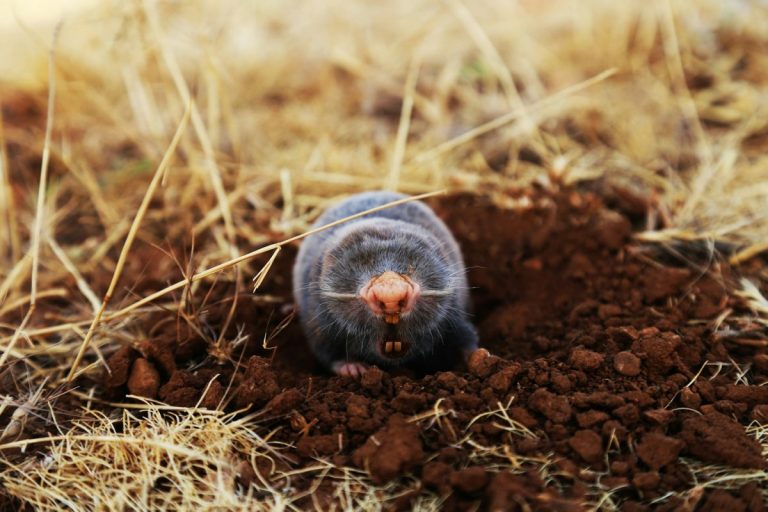
A lawn can look perfectly smooth in late winter, then suddenly transform into a maze of soft ridges and mysterious dirt mounds. Those twisting tunnels don’t appear by accident, and they definitely don’t show up because moles suddenly decided to annoy gardeners for fun. Early spring kicks off a season of intense underground activity that…
soil health
Free Sources of Mulch Many People Overlook
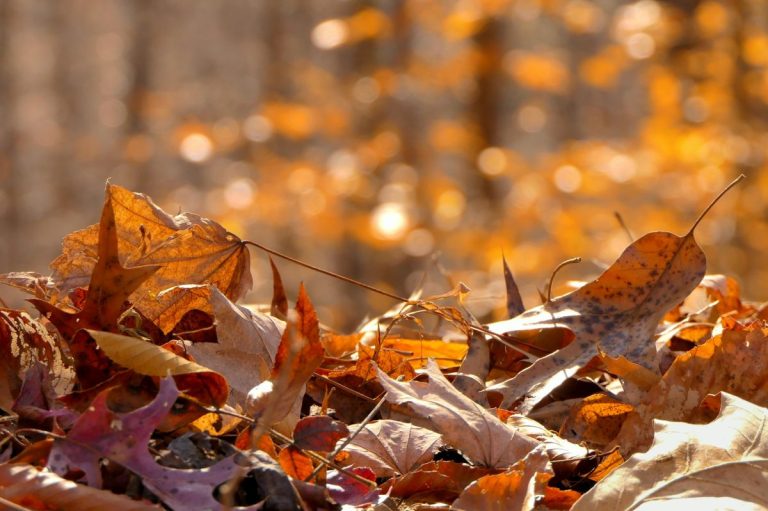
A thriving garden doesn’t just happen because plants get sunlight and water. Healthy soil carries the real magic, and mulch plays a starring role in that story. It locks in moisture, shields soil from harsh temperatures, and stops weeds from staging a hostile takeover. Unfortunately, bags of mulch at garden centers can drain a wallet…
How to Fix Bare Spots Without Buying New Sod
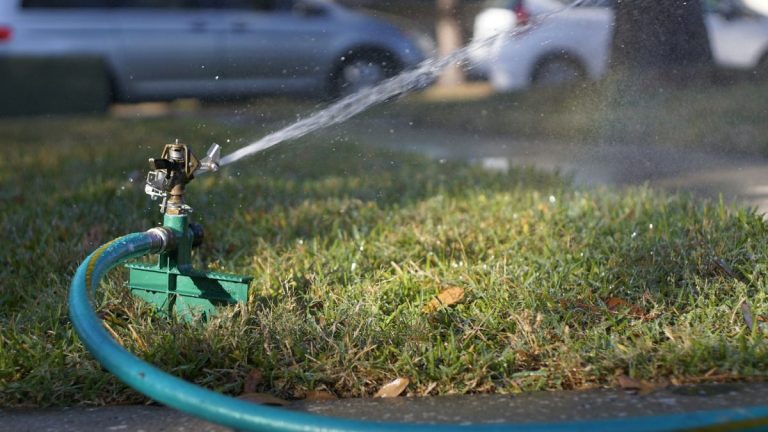
A lawn full of lush green grass sends a powerful message. It signals care, pride, and a yard that invites people to linger a little longer. Bare patches, on the other hand, stand out like missing puzzle pieces, turning an otherwise beautiful space into something that looks neglected and tired. Many homeowners assume sod is…
Why Some Compost Smells in Spring

The moment the snow melts and the garden wakes up, the compost pile sometimes delivers a shocking surprise. Instead of the earthy aroma of rich soil, the air suddenly fills with something that resembles a swamp, a barnyard, or worse. That smell doesn’t mean the compost pile has failed, but it absolutely means something in…
Termite Prevention Tips for Raised Beds
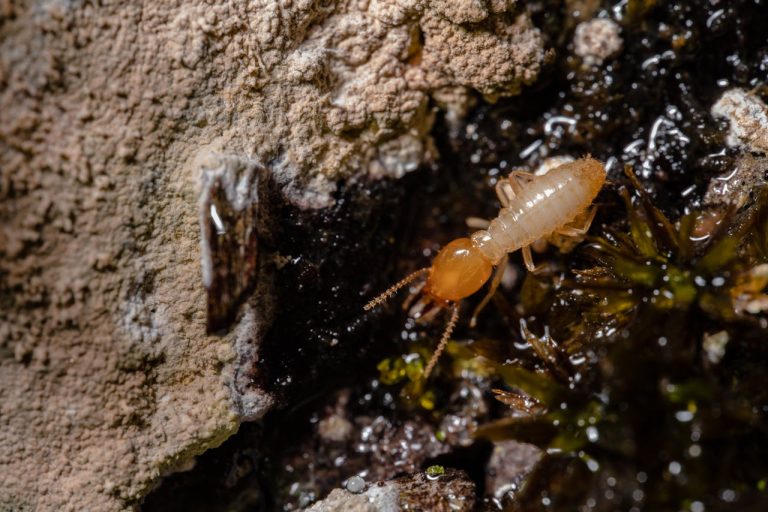
A raised garden bed should be a sanctuary for thriving plants, rich soil, and the quiet satisfaction of watching vegetables and flowers flourish. Unfortunately, that same cozy wooden structure can look like a luxury buffet to termites. These tiny wood-devouring insects never show up with an invitation, yet they can quietly chew through untreated boards…
How to Turn Household Waste Into Garden Fertilizer
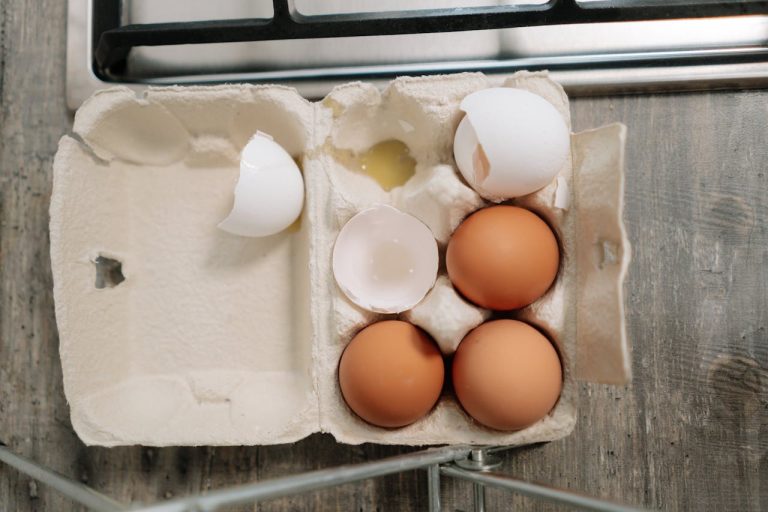
The trash can might hold the most valuable gardening supplies in the house. Coffee grounds, eggshells, vegetable peels, and even fallen leaves can transform tired soil into a thriving ecosystem that grows healthier plants, bigger harvests, and brighter flowers. Instead of sending these materials to landfills, gardeners can convert them into nutrient-rich fertilizer that feeds…
Why Early Planting Can Backfire
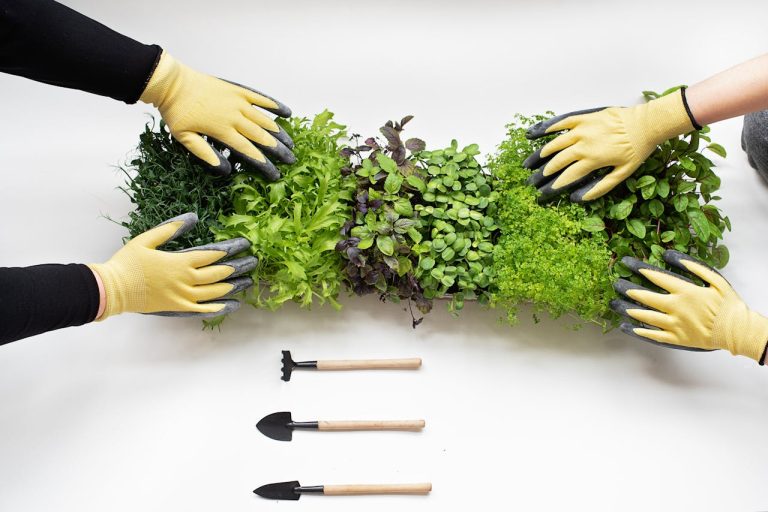
Spring’s first warm days seduce even the most disciplined gardeners. The soil softens, the sun shines brighter, and seeds in their packets practically beg to be planted. It’s tempting to push ahead, imagining rows of lush vegetables thriving weeks earlier than usual. However, planting too early turns hope into heartbreak faster than any insect, disease,…
Low-Cost Ways to Improve Sandy Soil
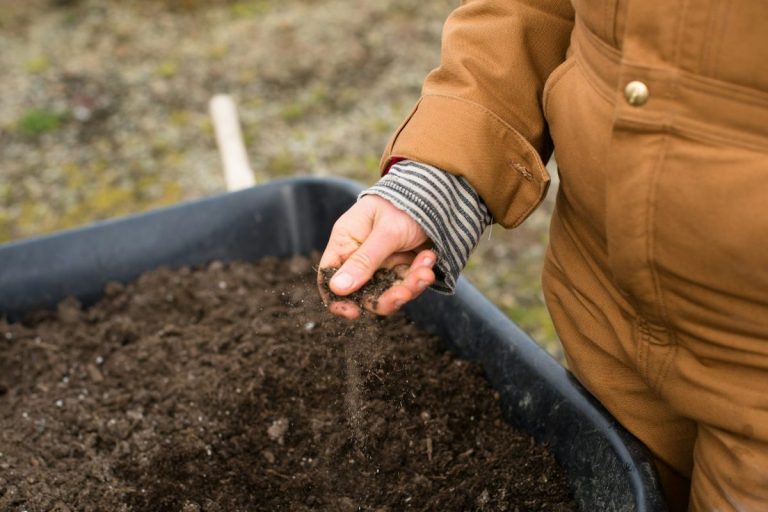
Sandy soil is like the ultimate frenemy of gardeners everywhere. It drains water faster than anyone can refill a watering can, washes away nutrients before plants have a chance to enjoy them, and leaves seeds tumbling into oblivion like they were auditioning for an escape act. Yet, sandy soil doesn’t have to be a curse;…
Why Cardboard Is a Useful Tool for Gardeners

A pile of cardboard might look like recycling, but in the garden it becomes a quiet powerhouse. Gardeners constantly battle weeds, stubborn soil, and endless chores, yet one humble material tackles all three at once. Cardboard suppresses weeds, protects soil, feeds beneficial organisms, and helps create new garden beds without heavy digging. Anyone who spends…
What Ants in Your Garden May Be Signaling
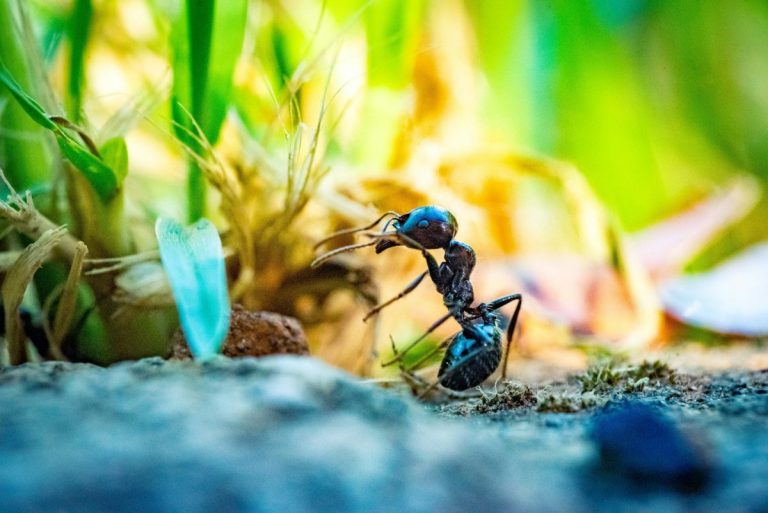
Ants marching across garden soil can feel like a tiny summer parade, except nobody sent invitations. Seeing them crawling around flower beds or near plant roots often sparks curiosity, because their presence does not always mean trouble is brewing beneath the dirt. Sometimes they are simply working hard at gathering food. Other times, they send…