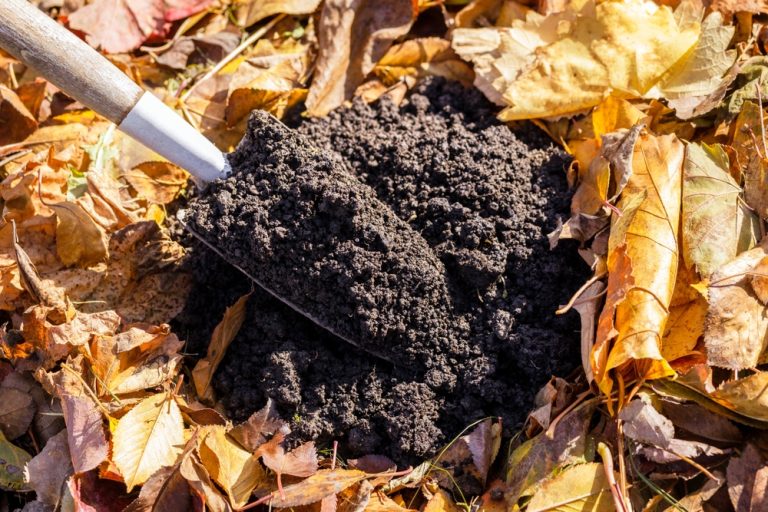
Fall cleanup can leave gardeners staring at piles of leaves, spent vegetable plants, and other organic material that looks like waste but could actually become next year’s soil amendment. Instead of bagging everything for disposal and buying bags of compost in spring, you can put much of that material to work now. Fall composting takes…
composting
What Happens If You Never Rake the Leaves in Your Yard?
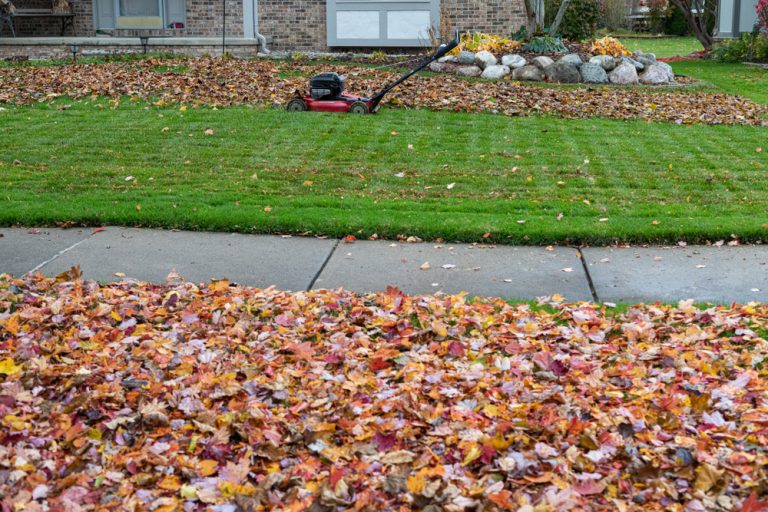
Every fall, millions of homeowners repeat the same ritual: rake the leaves, stuff them into bags, drag them to the curb, and wonder how another pile appeared overnight. But what if you simply stopped? The answer is more complicated than the popular advice to either “leave the leaves” or remove every last one, because leaving…
Before You Buy Compost, Look at What’s Going in Your Trash
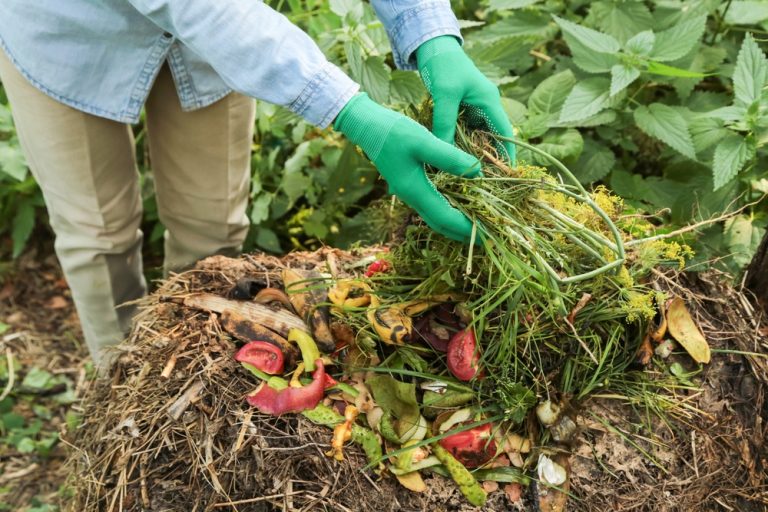
A bag of compost at the garden center looks like a gardening product, while the coffee grounds, vegetable peelings, cardboard, and fallen leaves leaving your house look like trash. Put those materials together correctly, however, and you have many of the ingredients needed to make homemade compost without repeatedly buying bags of soil amendment. The…
8 Kitchen Scraps That Actually Belong in the Compost — And 5 That Don’t
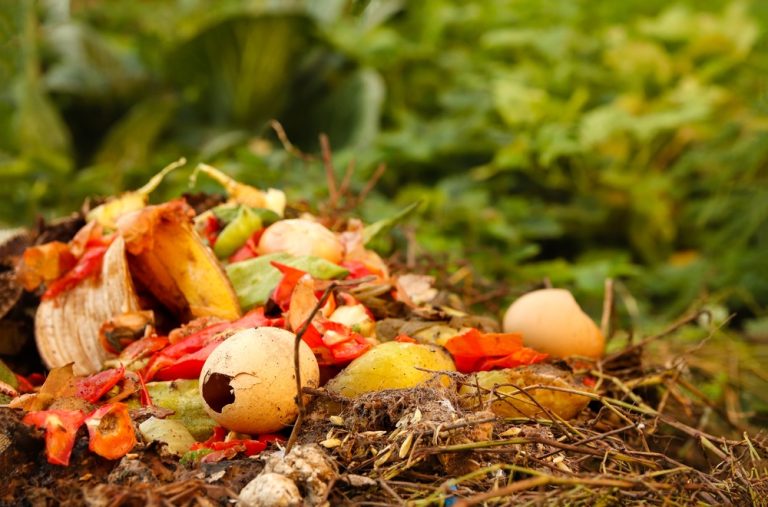
Open the average kitchen trash can and you may find the beginnings of next year’s garden soil hiding among the garbage. Fruit peels, vegetable trimmings, coffee grounds, eggshells, and several other everyday scraps are perfectly suited to backyard composting, where microorganisms eventually transform them into a useful soil amendment. The Environmental Protection Agency says home…
Stop Buying Mulch — 5 Free Materials You May Already Have
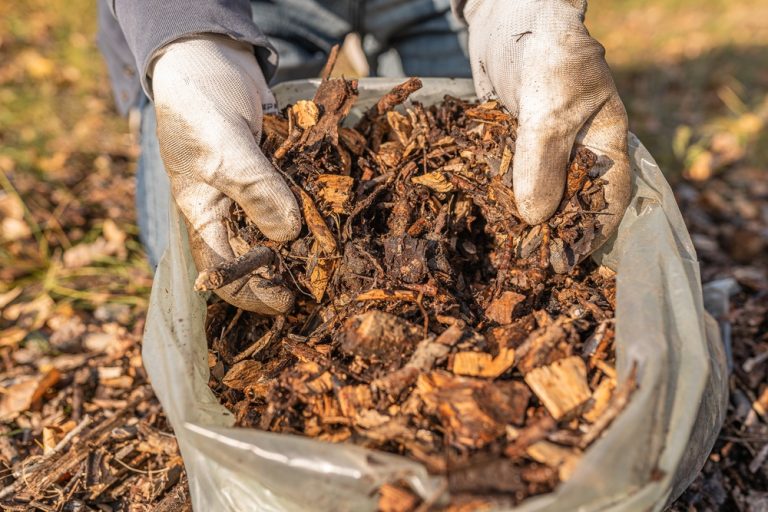
Mulch is one of those garden purchases that doesn’t seem expensive until you calculate how many bags it takes to cover an entire landscape. A 3-inch layer across a 100-square-foot bed requires roughly 25 cubic feet of material, so even modest gardens can consume plenty of bagged mulch. Yet free garden mulch may already be…
What Happens If You Bury Kitchen Scraps Directly in the Garden?
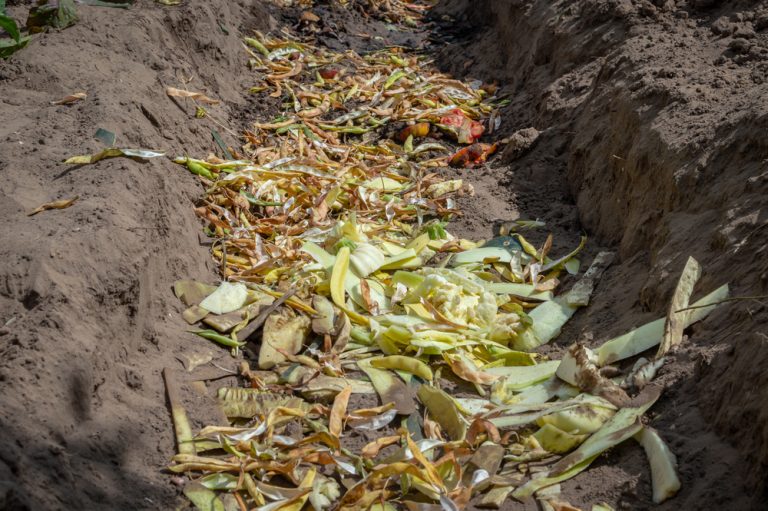
If maintaining a compost pile sounds like one garden chore too many, you may have wondered why you can’t simply bury your vegetable peels and coffee grounds directly in the soil. It turns out you can—gardeners sometimes call the technique trench composting, in-place composting, or compost pockets. Instead of decomposing organic material in a separate…
Don’t Throw Away Your Dead Plants Yet — Some Could Save You Money Next Spring
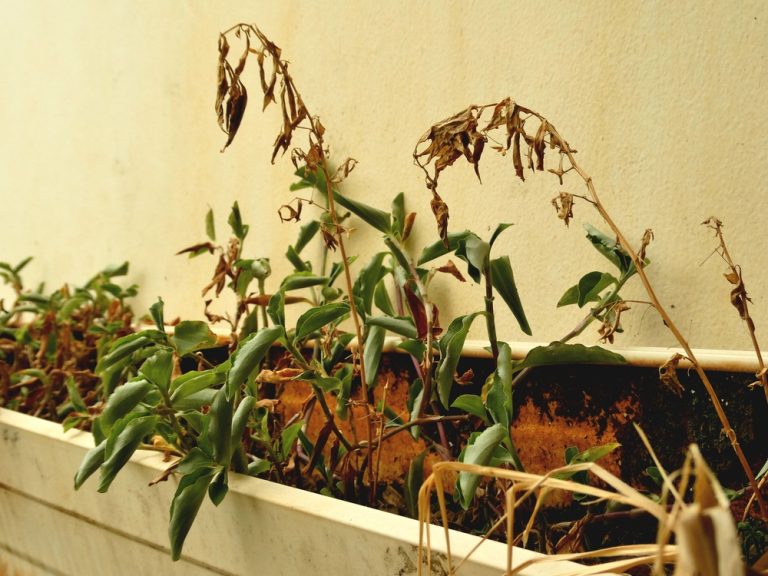
By September, plenty of gardens look like they’re ready for the trash pile: brown bean vines, crispy flower stalks, exhausted tomato plants, and annuals that have clearly seen better days. Before you yank everything out and fill the yard-waste bin, however, take a closer look because some of those dead garden plants could reduce what…
Stop Cleaning Up Your Garden This Fall — 7 Things Experts Say You Should Leave Alone
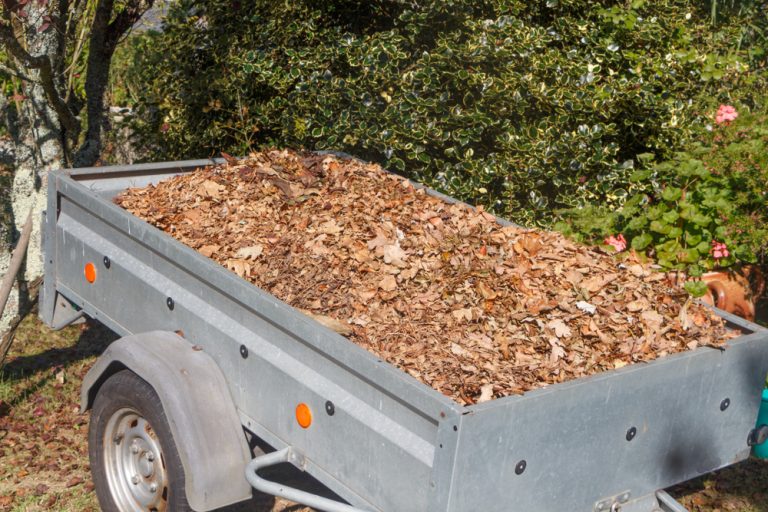
Fall used to mean one thing in the garden: cut everything down, rake every leaf, bag the debris, and leave the beds spotless before winter. Garden experts increasingly recommend something much less exhausting—and considerably better for the insects, birds, soil, and plants sharing your yard. A more selective fall garden cleanup can preserve overwintering habitat,…
Tomato Blight? Don’t Put These Plants in the Compost Pile
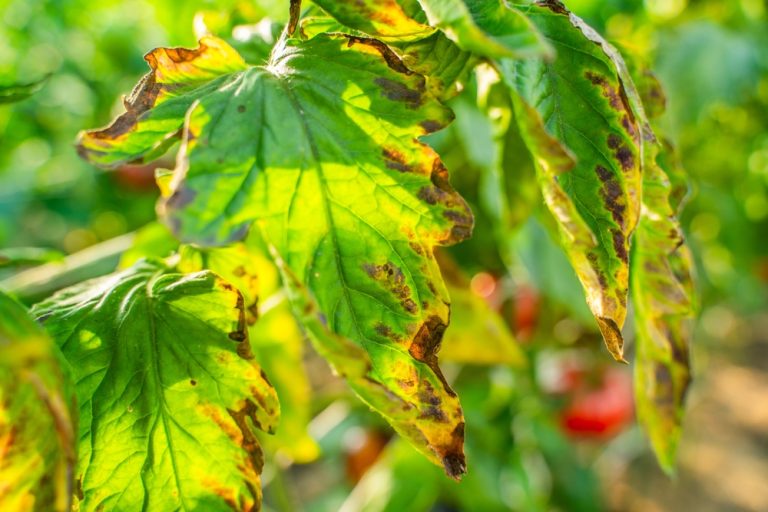
Pulling out tired tomato plants is one of those end-of-season chores that seems straightforward: yank the vines, toss them into the compost pile, and turn this year’s garden into next year’s free fertilizer. But if those plants have brown, spotted, yellowing, or dying leaves, adding them to an ordinary backyard pile could be a mistake….
7 Garden Problems You Don’t Want Surviving in Next Year’s Compost
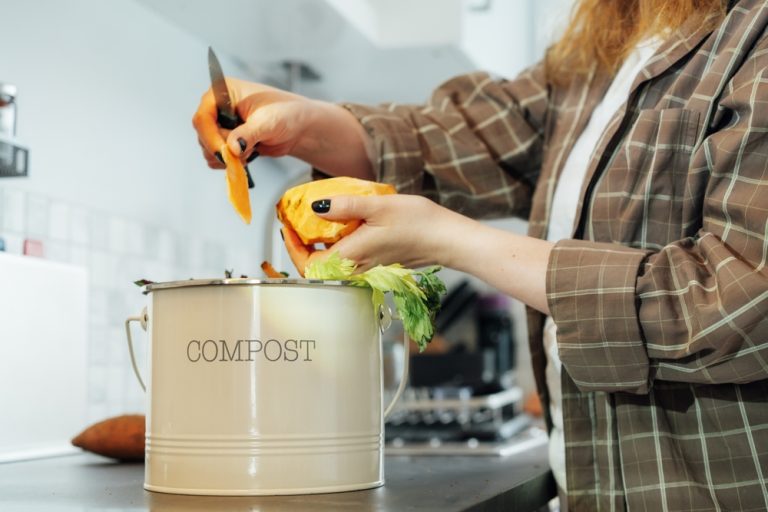
Turning this year’s garden waste into next year’s free soil amendment is one of the best money-saving tricks a gardener can use. But tossing everything you pull, prune, or rake into the pile can also turn home compost problems into next season’s garden problems. It’s generally a good idea for home gardeners to leave out…