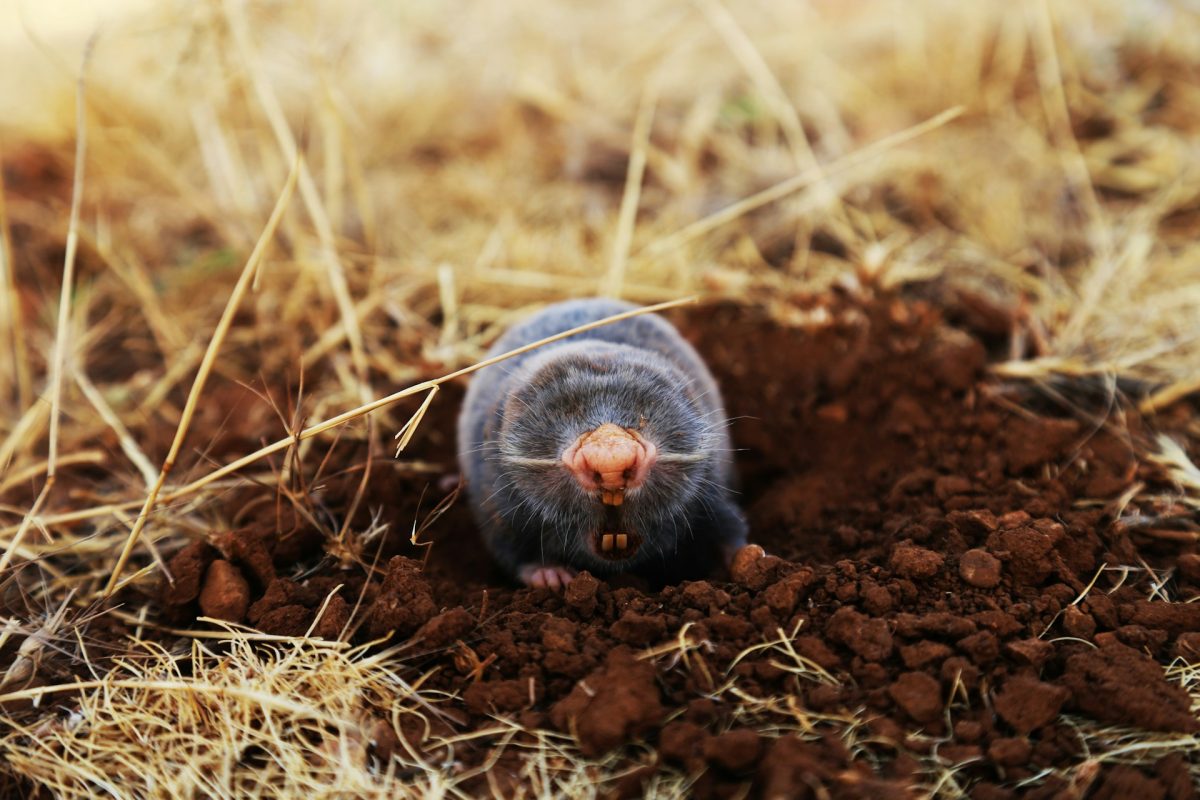
A lawn can look perfectly smooth in late winter, then suddenly transform into a maze of soft ridges and mysterious dirt mounds. Those twisting tunnels don’t appear by accident, and they definitely don’t show up because moles suddenly decided to annoy gardeners for fun. Early spring kicks off a season of intense underground activity that turns these small animals into surprisingly busy excavators.
Warmer soil wakes up insects, earthworms, and other tiny creatures that moles love to eat, and that sudden buffet sends them tunneling in every direction. The result looks dramatic above ground, even though the real action happens quietly below the surface. Once the timing and motivation behind mole activity become clear, managing a yard suddenly becomes far less mysterious.
Spring Soil Becomes a Five-Star Buffet
As winter loosens its grip, soil temperatures start to rise, and the underground ecosystem bursts back to life. Earthworms wiggle closer to the surface, beetle larvae wake up from their winter slowdown, and insects begin moving through the soil again. For a mole, that surge of activity looks like a five-star buffet reopening after a long seasonal break. Moles depend heavily on earthworms and soil insects for food, and a single mole can consume a large portion of its body weight in prey each day.
When food becomes abundant near the surface, moles follow it without hesitation. They create shallow tunnels just beneath the grass in order to patrol their feeding routes efficiently. Those tunnels form the soft, raised ridges that appear across lawns and gardens during early spring. The soil also holds more moisture during this time of year, which makes digging much easier than during the dry heat of summer. Loose, damp soil allows a mole to carve new passageways quickly, turning a quiet yard into an underground highway system almost overnight.
Winter Didn’t Stop the Moles—It Just Hid Them
Many people assume that moles disappear during winter and return when spring arrives. In reality, moles remain active all year long and continue digging even when temperatures drop. Cold weather simply pushes their tunnels deeper into the soil where temperatures remain more stable. Those deeper tunnels rarely disturb the lawn surface, so the damage stays hidden for months.
Spring changes that situation dramatically. Rising temperatures draw insects and worms closer to the upper soil layers, and moles follow their food source upward. Suddenly the tunnels run just inches below the grass instead of several inches down. That shift brings their activity into plain view, which creates the impression that a sudden invasion has begun. The animals simply moved closer to the surface where their favorite meals roam freely again.
Mating Season Turns Moles Into Construction Crews
Early spring doesn’t only bring food. It also marks the breeding season for many mole species. Male moles expand their tunnel systems during this time as they search for mates, and that expansion can dramatically increase the number of tunnels crossing a yard. A single mole can maintain a surprisingly large underground territory, and the search for a partner pushes those boundaries even farther.
Females prepare nesting chambers during the same period, often choosing locations in loose soil where digging becomes easier. These chambers sit deeper underground, but the connecting tunnels often stretch close to the surface. That combination leads to more visible ridges and small mounds of displaced soil scattered throughout the yard. The flurry of digging activity serves an important biological purpose, even though it may look like chaos from above ground.
Rainy Spring Weather Makes Digging Easy
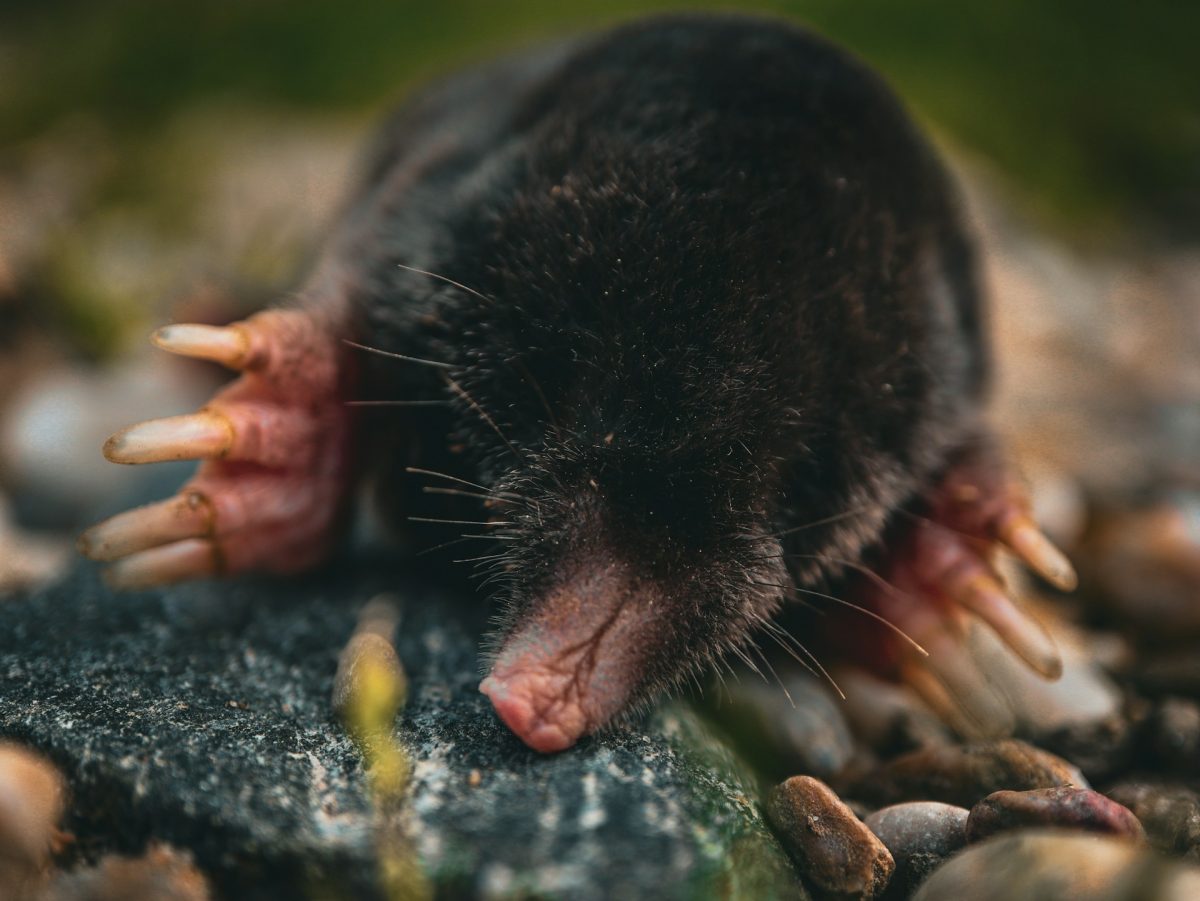
Spring weather often brings regular rainfall, and that moisture transforms soil conditions in ways that moles absolutely love. Damp soil softens and loosens, allowing moles to push through it with far less effort than during dry months. A mole uses powerful forelimbs that function almost like tiny shovels, and soft soil lets those limbs move quickly and efficiently.
Rain also encourages earthworms and insects to rise closer to the surface, which creates another surge in available food. When prey moves upward, moles respond immediately by expanding shallow feeding tunnels. A rainy week can trigger a sudden explosion of fresh ridges across a lawn because the conditions line up perfectly for digging and hunting. Moist soil and active prey form the ideal combination for mole activity.
Lawns and Gardens Offer Perfect Hunting Grounds
A carefully maintained lawn can unintentionally create ideal conditions for moles. Healthy turfgrass often supports large populations of earthworms and soil insects, which serve as a reliable food supply. Irrigation systems, fertilization, and organic matter in the soil all encourage the tiny creatures that moles hunt. From a mole’s perspective, a well-kept yard can resemble a perfectly stocked pantry.
Garden beds can attract them as well because loose soil and compost-rich areas support abundant insect life. Raised beds, flower gardens, and vegetable plots often contain exactly the conditions that soil-dwelling prey prefer. That abundance doesn’t mean a yard has a mole problem because of poor care. In many cases, the opposite situation occurs. A healthy, living soil ecosystem simply attracts animals that depend on it for survival.
Smart Ways to Respond Without Panic
Seeing fresh tunnels can trigger an immediate urge to declare war on every mole in the neighborhood. However, understanding their behavior can lead to smarter responses that protect a yard without unnecessary frustration. Reducing lawn pests such as grubs can sometimes discourage mole activity because it removes a major food source. Consistent lawn maintenance and balanced soil health can also reduce the insect populations that attract them.
Physical barriers around garden beds can help protect specific areas where digging causes the most trouble. Some gardeners also use specialized traps in active tunnels when mole populations grow too disruptive. Identifying the main feeding tunnels often increases success with any control method. Those tunnels typically run in straight lines and show frequent use, while shallow feeding tunnels may appear only once before a mole moves on. A thoughtful approach often works far better than reacting in frustration.
The Real Story Behind the Springtime Mole Boom
Early spring doesn’t create moles out of nowhere. Instead, the season flips several environmental switches at once, and those changes bring their underground world closer to the surface. Warmer soil, active insects, breeding behavior, and softer ground combine to produce a sudden burst of tunneling activity. What appears above ground simply reflects a busy ecosystem shifting back into motion after winter.
Understanding this cycle can make the situation far less puzzling. Moles play an important role in soil ecosystems by controlling insect populations and aerating the ground through their digging. That knowledge doesn’t make lawn tunnels less annoying, but it does explain why the activity arrives so predictably every year.
Now that the mystery behind spring mole activity has surfaced, what strategies have worked best in your yard when those underground tunnels start appearing? Share your thoughts and experiences in the comments and help others figure out how to handle these determined little diggers.
You May Also Like…
The Most Overlooked Spring Pest: Cutworms
12 Of The Worst Garden Pests And How To Get Rid Of Them
This One Winter Gardening Habit Could Be Spreading Invasive Pests Across the South
11 Things Rodents Use to Sneak Into Your Garden Shed
Why Termite Activity Can Increase Around Gardens in Early Spring

Brandon Marcus is a staff writer for FrugalGardening.com at District Media, Inc., where he delivers practical gardening advice with a relatable, no-nonsense style. An avid amateur gardener, he holds a BA degree and with over ten years of professional writing experience, he is also an award-winning published author whose first book, Questions For Deep Thinkers, was released by Adams Media. His work has appeared in major publications including Fandom.com, CHUD.com, TheColdWire.com, and Fansided.com.
Leave a Reply