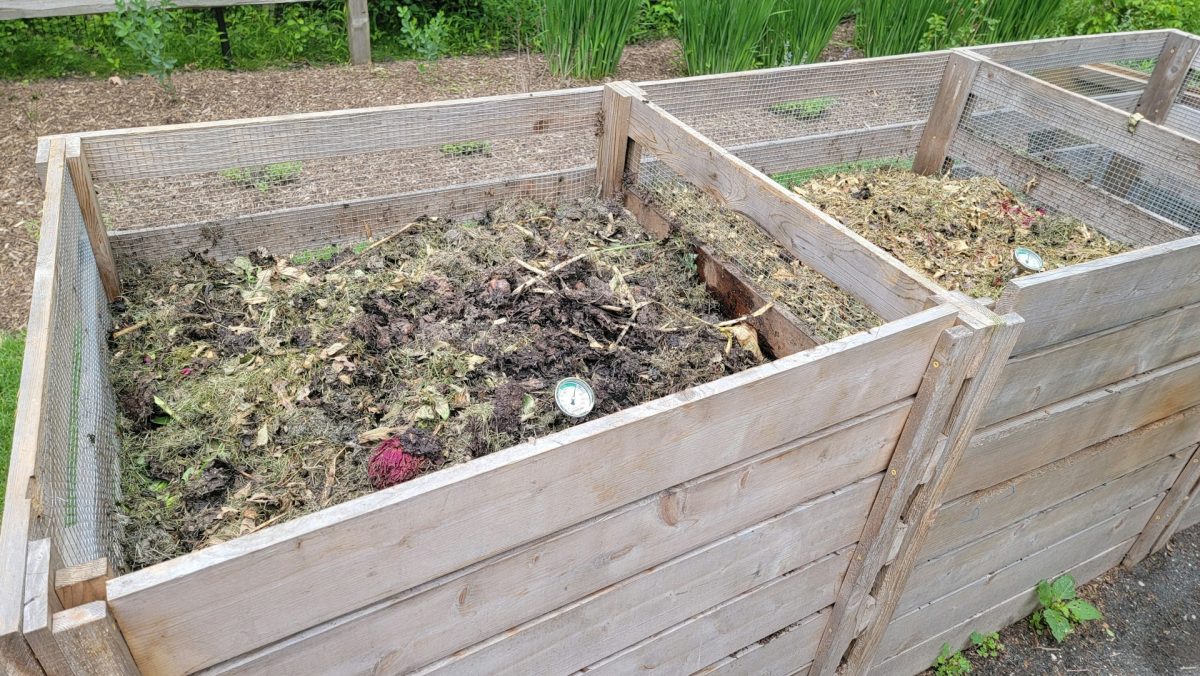
The moment the snow melts and the garden wakes up, the compost pile sometimes delivers a shocking surprise. Instead of the earthy aroma of rich soil, the air suddenly fills with something that resembles a swamp, a barnyard, or worse. That smell doesn’t mean the compost pile has failed, but it absolutely means something in the process has gone sideways. Compost should smell like the forest floor after a rainstorm, not like a forgotten garbage bin. Spring often reveals problems that stayed hidden during winter’s frozen pause, and the sudden rise in temperature wakes up every microbe inside the pile.
When the ingredients, moisture, or airflow aren’t quite right, those microbes start producing odors that announce the imbalance loudly and unapologetically. Understanding why compost smells in spring is the key to fixing it quickly and turning that stinky pile back into the rich, crumbly treasure every garden loves.
When the Pile Wakes Up: Microbes Hit the Gas Pedal
Spring warmth flips a biological switch inside the compost pile. Microorganisms that spent winter in slow motion suddenly wake up and start breaking down organic matter at full speed. Bacteria, fungi, and other decomposers attack food scraps, leaves, and plant debris, releasing heat and gases as they digest everything in sight. When the pile contains the right balance of materials and airflow, those gases escape without producing foul odors, leaving behind that pleasant earthy smell gardeners love. However, if oxygen levels drop or the pile holds too much moisture, anaerobic microbes take over the job. These oxygen-starved organisms produce compounds like hydrogen sulfide and ammonia, which create the unpleasant smell that often shows up in spring.
A compost pile behaves a lot like a tiny ecosystem, and ecosystems react dramatically to sudden changes. Spring temperatures can warm the outer layers of a pile quickly while the center stays dense and compacted from months of sitting still. That uneven structure traps gases and prevents oxygen from circulating properly. Turning the pile breaks up those compacted zones and gives oxygen-loving microbes a chance to dominate again. With proper airflow restored, decomposition continues efficiently and the smell fades away surprisingly fast.
Too Many Greens: The Nitrogen Overload
A common cause of smelly compost involves an imbalance between “green” and “brown” materials. Green materials include nitrogen-rich items such as vegetable scraps, coffee grounds, grass clippings, and fresh plant trimmings. Brown materials include carbon-rich items such as dry leaves, straw, cardboard, and small twigs. When a pile contains far more greens than browns, the nitrogen-heavy ingredients break down rapidly and release ammonia-like odors. The pile essentially becomes too rich, and microbes process the excess nitrogen in ways that generate strong smells.
Adding browns solves this problem quickly and effectively. Dry leaves, shredded paper, or chopped straw absorb moisture and balance the carbon-to-nitrogen ratio that microbes need for efficient decomposition. Mixing these materials into the pile also improves structure, allowing air to circulate more easily.
Moisture Mayhem: When Compost Gets Too Wet
Compost microbes need moisture to survive, but too much water turns a healthy pile into a soggy mess. Spring often brings heavy rain, melting snow, and saturated soil, which can flood compost piles without anyone noticing. When water fills the air spaces between materials, oxygen disappears and anaerobic bacteria start producing foul-smelling gases. The result can resemble the odor of rotten eggs or sour garbage, which quickly turns a backyard compost bin into an unpleasant neighbor.
Fixing excess moisture usually requires simple adjustments rather than dramatic interventions. Turning the pile introduces air and helps evaporate trapped water, while adding dry browns absorbs the excess moisture. Materials like shredded cardboard, straw, or dry leaves work especially well because they create air pockets that keep oxygen flowing. Covering the pile with a breathable tarp during heavy rain can also prevent future problems while still allowing airflow. Moisture control is one of the easiest ways to prevent spring compost odors from returning.
Compaction: The Hidden Airflow Problem
Compost piles that sit untouched all winter tend to compact under their own weight. Food scraps, wet leaves, and decomposing plant material settle into dense layers that restrict airflow throughout the pile. Oxygen-loving microbes struggle to survive in those tight spaces, and anaerobic bacteria begin to dominate the decomposition process. The result is a slow, smelly breakdown that produces unpleasant odors instead of healthy compost. Compaction is especially common in bins or piles that received frequent kitchen scraps during winter but rarely got turned due to cold weather.
Breaking up those dense layers can dramatically improve the situation. A garden fork or compost aerator can loosen the pile and restore airflow within minutes. Turning the pile also redistributes materials so that dry browns and moist greens mix evenly. This renewed airflow encourages beneficial microbes to return, which reduces odors and speeds up decomposition.
Mystery Ingredients: When the Wrong Items Sneak In
Sometimes compost smells simply because the wrong materials entered the pile. Meat, dairy, greasy foods, and oily leftovers can create strong odors as they decompose. These materials break down slowly and attract anaerobic bacteria that produce powerful smells. Backyard compost piles work best with plant-based scraps and natural yard waste, which decompose cleanly and efficiently. Even small amounts of inappropriate material can upset the balance, especially during the active spring composting season.
Removing questionable items and adding more browns usually solves the issue quickly. Compost piles thrive when ingredients remain simple and predictable. Vegetable scraps, fruit peels, coffee grounds, eggshells, and plant clippings create a balanced mix that microbes can handle without producing foul odors.
Temperature Surprises: Heat Can Change Everything
Spring compost piles often heat up rapidly as microbial activity increases. This heat is a good sign because it means decomposition is happening efficiently. However, high temperatures combined with poor airflow can intensify smells when gases build up faster than they escape. A hot pile needs oxygen just as much as a cool one, and turning the pile helps release trapped heat and gases while distributing fresh oxygen. Gardeners often notice that a quick turn of the pile dramatically reduces odor because it releases built-up gases immediately.
Maintaining the right balance between heat, airflow, and moisture keeps the compost process healthy. Monitoring the pile every few days during warm spring weather prevents surprises. A well-managed compost pile should feel warm, slightly moist, and crumbly rather than slimy or compacted. That combination encourages the beneficial microbes responsible for producing rich, garden-ready compost.

From Stink to Success: Turning Spring Compost Into Garden Gold
A smelly compost pile in spring may feel alarming at first, but it rarely signals a disaster. Most odors come from simple imbalances involving moisture, airflow, or material ratios, and each of those problems has a straightforward solution. Turning the pile, adding carbon-rich browns, and checking moisture levels usually restore the healthy decomposition process within days.
Compost thrives when gardeners treat it like a living system that needs attention, balance, and occasional adjustments. With a little effort, that unpleasant smell can transform into the earthy fragrance that signals rich compost ready for the garden.
What’s the strangest smell a compost pile has ever produced in your yard, and what trick finally fixed it? We want your advice in our comments.
You May Also Like…
The Compost Mistake That Wastes Money Every Spring
Experts Warn: Your Compost Pile Could Be Dangerous for Pets
Why Your Compost Bin Could Be Breeding a Fungus That Kills Seedlings
7 Composting Tricks That Only Work in Autumn
How to Stop Mold and Fungus Before They Harm New Growth

Brandon Marcus is a staff writer for FrugalGardening.com at District Media, Inc., where he delivers practical gardening advice with a relatable, no-nonsense style. An avid amateur gardener, he holds a BA degree and with over ten years of professional writing experience, he is also an award-winning published author whose first book, Questions For Deep Thinkers, was released by Adams Media. His work has appeared in major publications including Fandom.com, CHUD.com, TheColdWire.com, and Fansided.com.
Leave a Reply