The trash can might hold the most valuable gardening supplies in the house. Coffee grounds, eggshells, vegetable peels, and even fallen leaves can transform tired soil into a thriving ecosystem that grows healthier plants, bigger harvests, and brighter flowers. Instead of sending these materials to landfills, gardeners can convert them into nutrient-rich fertilizer that feeds the soil naturally.
The process isn’t complicated, expensive, or mysterious. With a little knowledge and some everyday habits, common household waste can become a powerful ally in the garden. Turning scraps into soil-building gold not only saves money but also creates a garden that grows stronger with every season.
Compost: The King of Garden Fertilizer
Compost sits at the top of the list when it comes to turning waste into garden fertilizer, and for good reason. A simple compost pile can transform kitchen scraps, yard debris, and paper waste into a rich, dark material that improves soil structure and feeds plants naturally. Vegetable peels, fruit scraps, coffee grounds, eggshells, grass clippings, and dried leaves all work beautifully when layered together in the right balance. Gardeners who combine “green” materials like food scraps with “brown” materials like dried leaves create an environment where beneficial microbes break everything down into nutrient-rich compost. Those microbes work tirelessly, converting scraps into organic matter that improves soil fertility and water retention.
A healthy compost pile also brings life into the garden soil. Worms, fungi, and bacteria thrive in compost-rich environments and help release nutrients that plants can absorb. Turning the compost occasionally adds oxygen, speeds decomposition, and prevents unpleasant odors from forming. Many gardeners are surprised at how quickly waste disappears once a compost system starts working properly.
Coffee Grounds: Morning Brew, Garden Boost
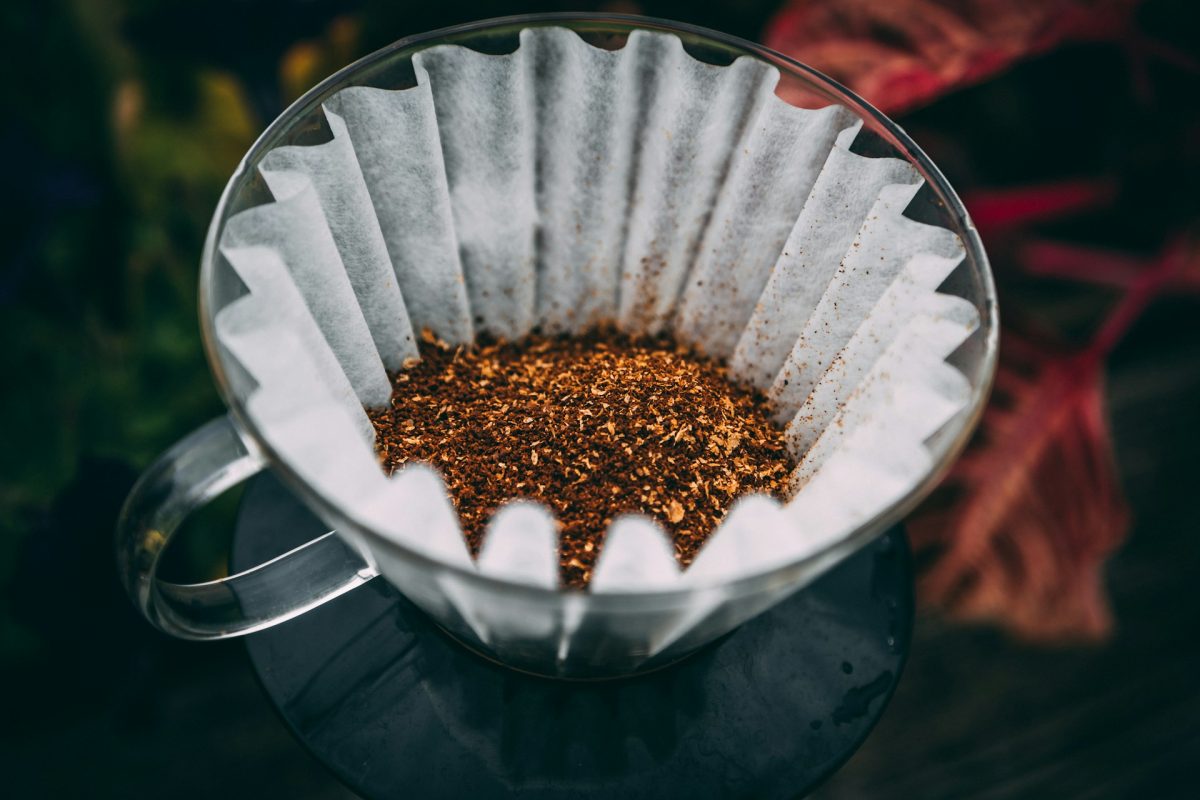
That morning cup of coffee doesn’t end when the mug empties. Used coffee grounds contain nitrogen, which is one of the essential nutrients plants need for strong growth and lush green leaves. Instead of tossing those grounds into the garbage, gardeners can sprinkle them directly onto garden soil or add them to compost piles. Earthworms absolutely love coffee grounds, and their presence helps improve soil aeration and fertility over time.
Coffee grounds also help improve soil structure, especially in sandy soil that struggles to hold nutrients. When mixed into the soil or compost, the grounds slowly break down and release valuable organic matter. Some gardeners even use coffee grounds around acid-loving plants like blueberries, azaleas, and roses.
Eggshells: Tiny Shells With Big Benefits
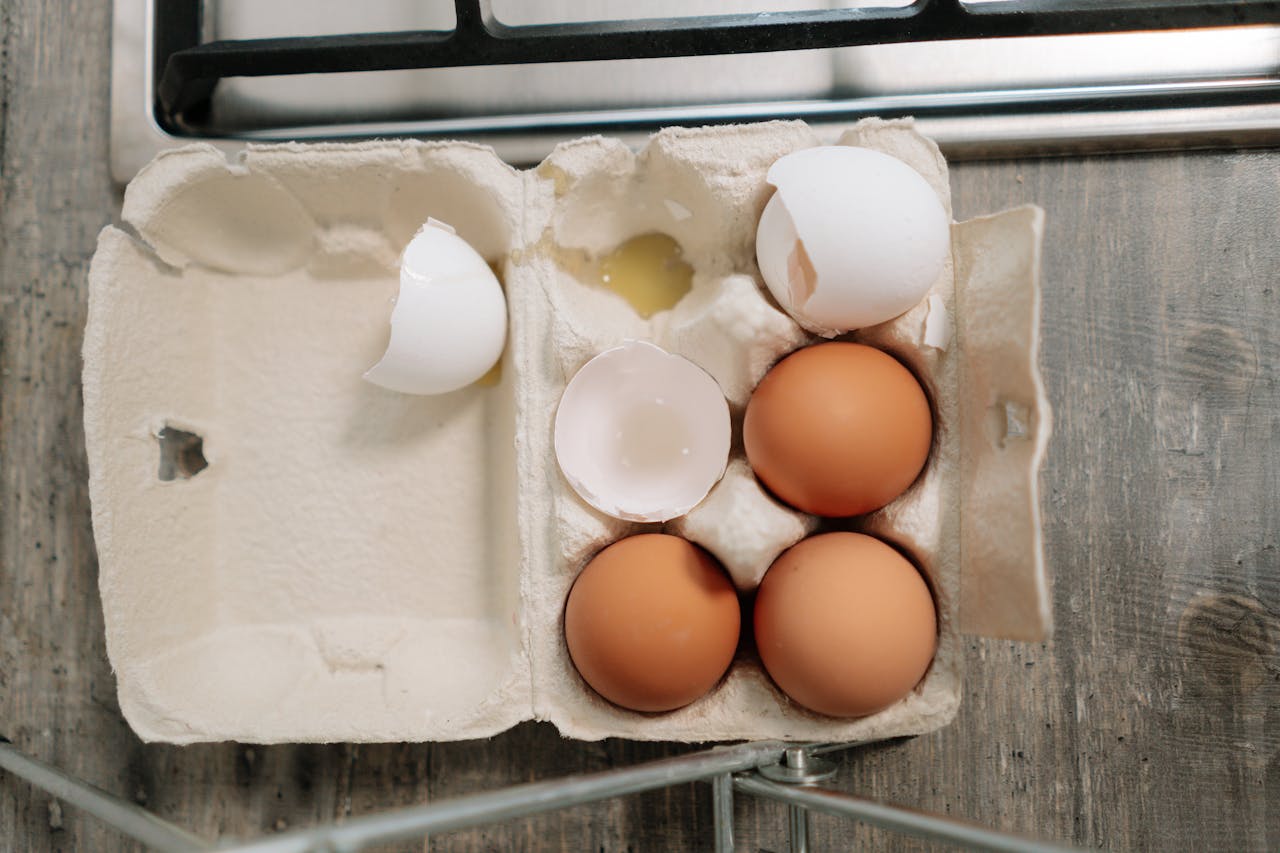
Eggshells may look fragile, but they bring a surprising amount of value to the garden. Each shell contains calcium, a mineral that supports strong plant cell walls and healthy root development. Gardeners who crush eggshells and scatter them into garden beds provide plants with a slow-release calcium source that improves soil health over time. Finely crushed shells break down faster, allowing the calcium to become available more quickly.
Eggshells also help deter certain garden pests when used strategically. The rough texture of crushed shells can discourage soft-bodied pests like slugs and snails from crawling across garden beds. While eggshells alone won’t solve every pest problem, they can play a helpful role in a broader garden strategy.
Banana Peels and Fruit Scraps: Natural Plant Food
Banana peels and other fruit scraps offer another simple way to enrich garden soil without spending a dime. Banana peels contain potassium, a nutrient that supports flowering, fruit development, and overall plant health. Gardeners can chop peels into small pieces and bury them directly in the soil near plants, where microbes will break them down and release nutrients. Fruit scraps like apple cores, melon rinds, and citrus peels also work well in compost piles.
These materials decompose quickly and help feed the microorganisms that drive healthy soil ecosystems. As microbes digest the scraps, they release nutrients that plants can absorb through their roots. Burying fruit scraps in garden beds can also attract beneficial organisms like worms, which help aerate the soil naturally.
Grass Clippings and Yard Waste: Backyard Gold
Yard waste often provides the largest source of organic material for homemade fertilizer. Grass clippings, fallen leaves, and small plant trimmings contain nutrients that plants pulled from the soil during their growth. Returning those materials to the garden creates a natural recycling loop that keeps nutrients circulating where they belong. Fresh grass clippings contain nitrogen and can serve as an excellent addition to compost piles or garden beds when used in thin layers.
Leaves bring additional benefits because they break down into leaf mold, a material that improves soil texture and water retention. Gardeners who shred leaves before composting can speed up the decomposition process dramatically. Mixing yard waste with kitchen scraps produces balanced compost that feeds soil microbes and enriches garden beds.
Compost Tea: Liquid Power for Plants
Solid compost isn’t the only way to use organic waste in the garden. Compost tea offers a liquid fertilizer that delivers nutrients directly to plant roots and leaves. Gardeners can make compost tea by soaking finished compost in water for a day or two, then straining the liquid and applying it to plants. This nutrient-rich solution contains beneficial microbes that support plant health and soil vitality.
Applying compost tea to garden beds can stimulate microbial activity and improve nutrient availability. Plants often respond with stronger growth and deeper green foliage. Many gardeners use compost tea as a natural alternative to synthetic fertilizers, especially for vegetables and herbs.
A Garden Fueled by Yesterday’s Scraps
Household waste holds far more potential than most people realize. Kitchen scraps, yard debris, and everyday leftovers can become the foundation of a thriving garden that grows healthier plants without expensive fertilizers. Compost piles, crushed eggshells, coffee grounds, fruit scraps, and compost tea all contribute to stronger soil that supports life below the surface and growth above it. Each small action transforms something once considered trash into a valuable garden resource.
Which household scraps have made the biggest difference in your garden, and are there any creative fertilizer ideas that deserve more attention? Share your experiences and favorite methods in the comments so others can discover new ways to turn everyday waste into garden gold.
You May Also Like…
Why Overwatering in March Wastes Money
The Hidden Cost of Buying “Pre-Fertilized” Soil
10 Everyday Household Items Gardeners Are Using Instead of Expensive Tools
The Hidden Cost of War: How Fertilizer Disruptions Push Grocery Bills Higher
The Free Fertilizer Most Gardeners Throw Away

Brandon Marcus is a staff writer for FrugalGardening.com at District Media, Inc., where he delivers practical gardening advice with a relatable, no-nonsense style. An avid amateur gardener, he holds a BA degree and with over ten years of professional writing experience, he is also an award-winning published author whose first book, Questions For Deep Thinkers, was released by Adams Media. His work has appeared in major publications including Fandom.com, CHUD.com, TheColdWire.com, and Fansided.com.
Leave a Reply