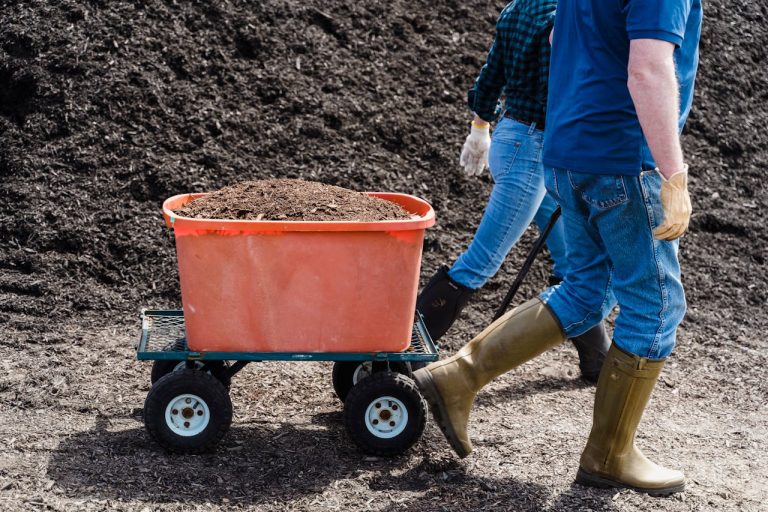
Your garden does not have to rely on expensive chemicals or complicated formulas. The real secret often hides in everyday kitchen scraps, yard waste, and simple habits that gardeners have used for generations. Plants respond best when soil stays alive, rich, and full of organic goodness. That is where natural fertilizing methods step in and…
organic gardening
7 Companion Pairings That Boost Growth Naturally
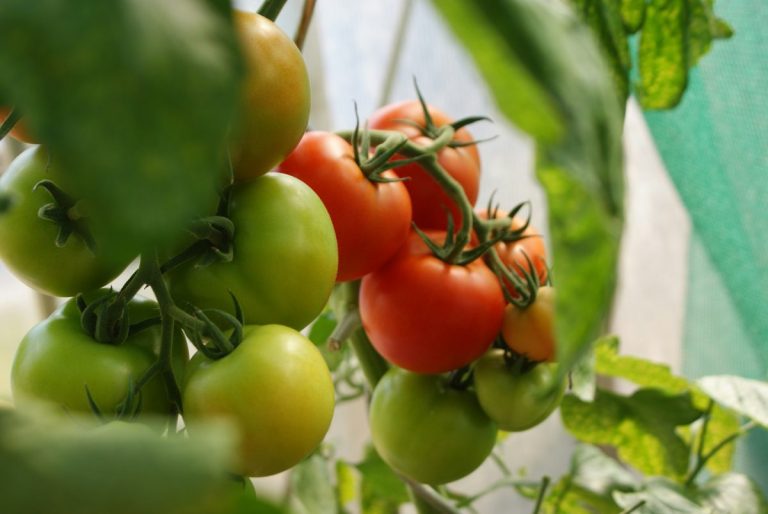
A great garden doesn’t just happen by accident. Smart gardeners know that certain plants practically throw a backyard party when they grow side by side, helping each other fight pests, improve flavor, attract pollinators, and even grow faster. Companion planting turns an ordinary vegetable patch into a hardworking ecosystem that saves money, cuts down on…
5 Affordable Soil Improvements That Make a Big Difference
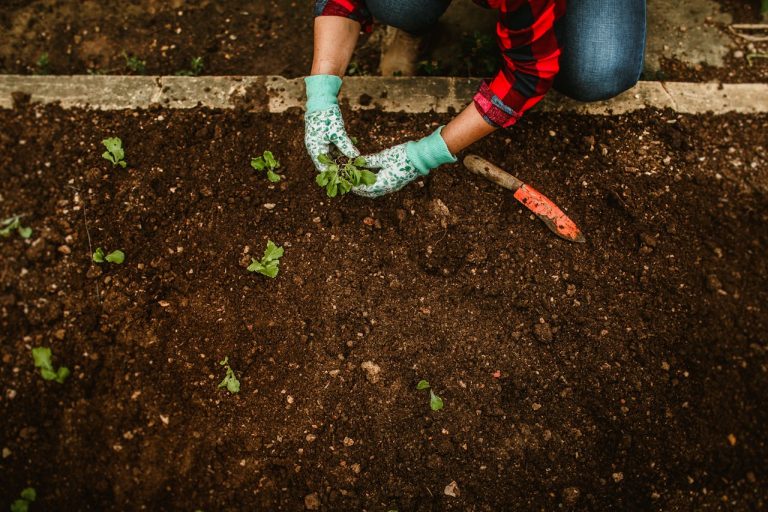
Spring gardening dreams usually start with visions of giant tomatoes, colorful flower beds, and lush green lawns that look straight out of a magazine. Then reality hits when plants struggle, weeds explode, and the soil feels more like concrete than something roots could actually grow in. Many homeowners rush to buy expensive fertilizers, fancy raised…
Why Seeds Fail to Sprout Even in Ideal Conditions
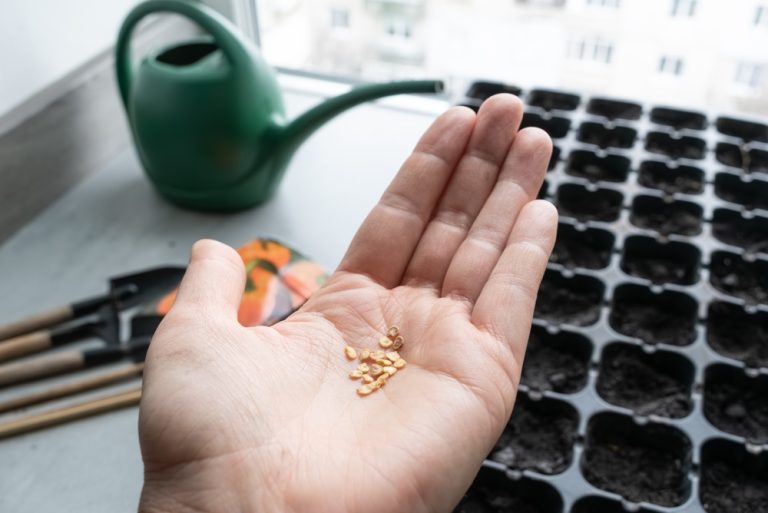
Fresh seed packets, fluffy soil, and perfect spring weather create big dreams for backyard gardeners across America. Nothing crushes that excitement faster than a stubborn tray of empty dirt that refuses to produce even one tiny green sprout. Many gardeners assume bad luck caused the failure, but seeds usually send clear signals long before they…
8 Productive Crops That Continue Yielding Through Summer
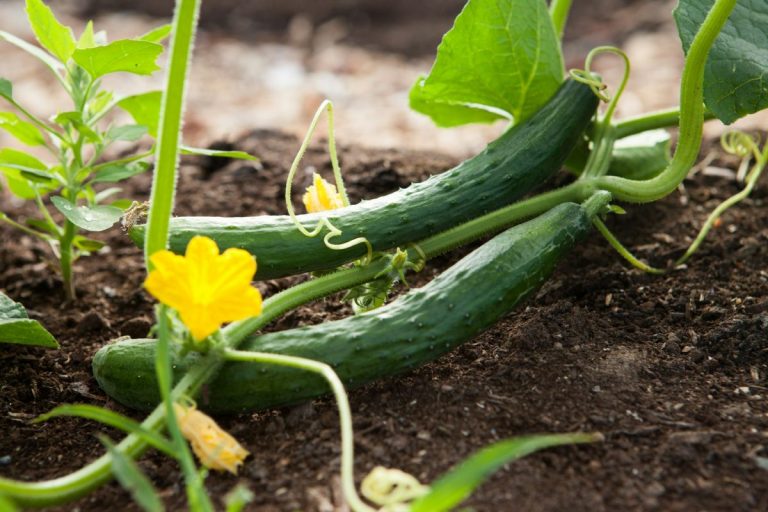
Summer gardens can turn into absolute overachievers when the right crops land in the soil at the right time. Some vegetables sprint through one quick harvest, while others crank out fresh produce for weeks with almost ridiculous enthusiasm. Smart gardeners lean heavily on high-yield plants because steady harvests slash grocery bills, reduce waste, and keep…
7 Natural Repellents That Help Keep Insects Away
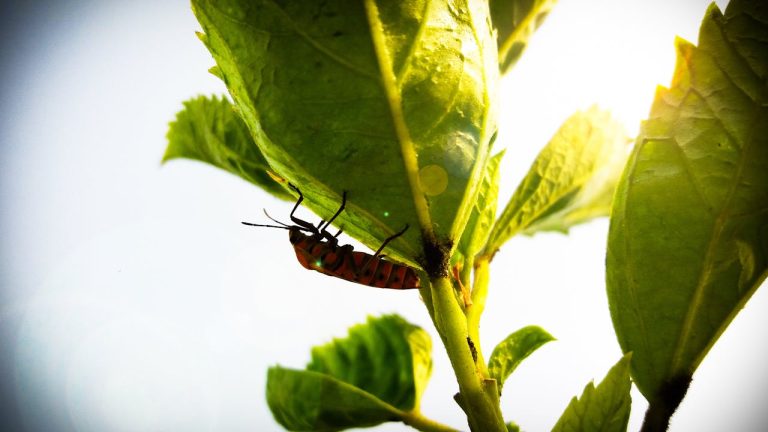
Insects do not just show up—they take over patios, gardens, and kitchens when conditions allow it. Many homeowners want a safer way to push them back without relying on harsh chemicals or expensive treatments. Nature already offers powerful tools that help keep bugs at a distance while protecting pollinators and pets. Smart gardeners across the…
5 Beginner Errors That Reduce Yields in Spring Gardens
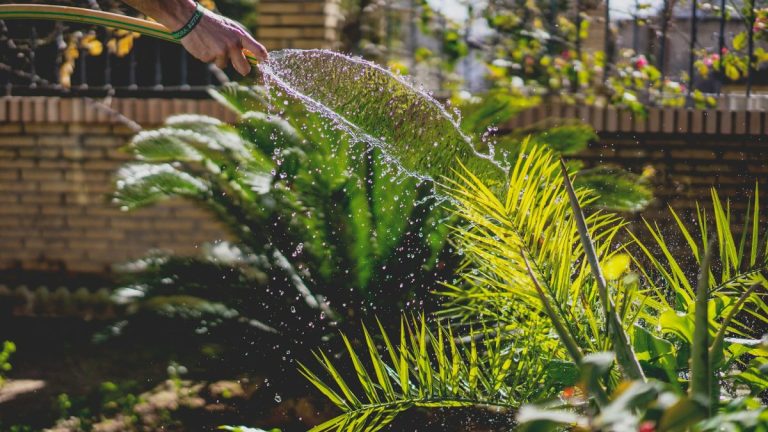
Spring gardens promise juicy tomatoes, crisp lettuce, and baskets full of homegrown goodness—but small mistakes can quietly cut that dream in half. A few missteps early in the season often lead to stunted growth, poor fruiting, and disappointing harvests. Strong gardens don’t rely on luck; they thrive on timing, technique, and a bit of savvy…
Why Adding Compost Now Can Transform Soil Quality
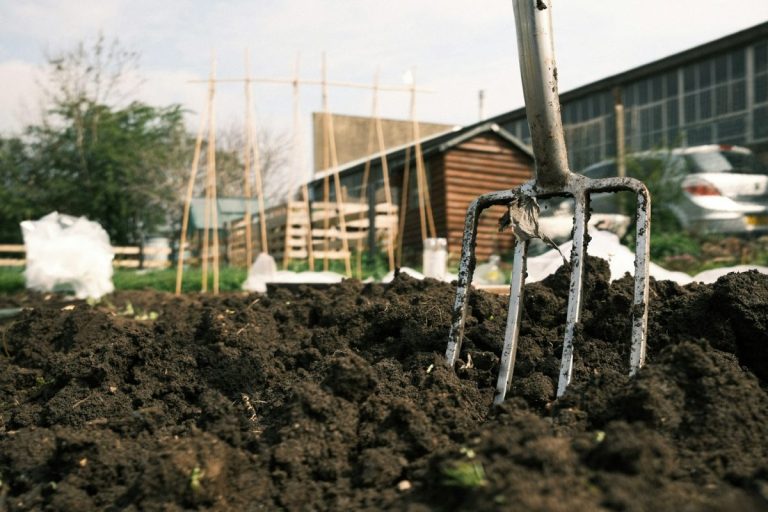
Soil drives everything in a garden, yet most people focus only on what grows above ground. Rich, well-balanced soil fuels stronger roots, better water retention, and healthier plants from day one. Compost delivers a powerful mix of nutrients and organic matter that transforms tired dirt into a thriving ecosystem. Garden beds that receive compost early…
10 Selections That Attract Bees, Butterflies, and Beneficial Insects
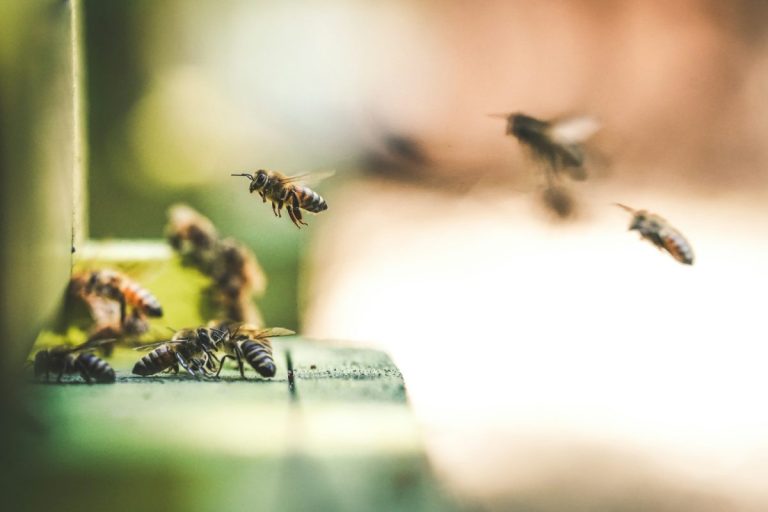
Bright wings, gentle buzzing, and a garden that practically hums with life—this isn’t a fantasy, it’s a smart planting strategy. The right mix of flowers doesn’t just look good; it transforms an ordinary yard into a thriving ecosystem that works overtime for you. Bees improve pollination, butterflies add beauty, and beneficial insects quietly tackle pests…
5 Soil Additions That Improve Results Within Weeks
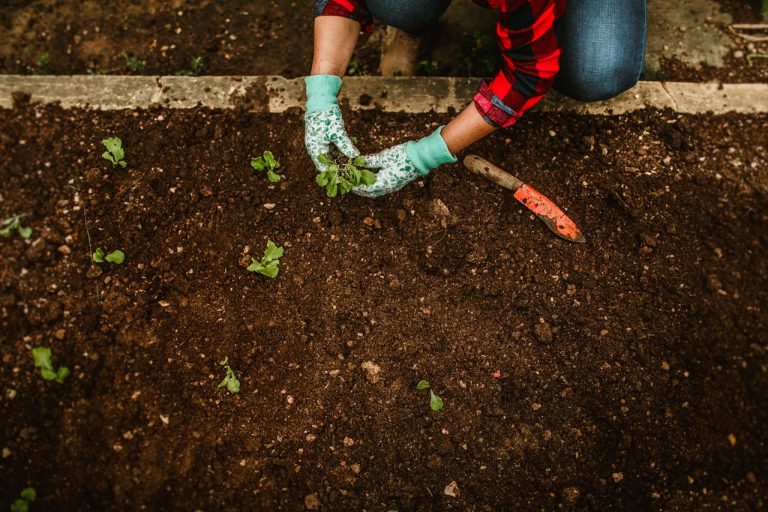
Gardens rarely fail because plants lack effort; they fail because soil quietly underperforms beneath the surface. Strong, thriving plants always start with living, nutrient-rich soil that supports roots like a dependable foundation. When soil lacks structure, nutrients, or microbial life, even the best seeds struggle to shine. The good news arrives quickly for anyone willing…