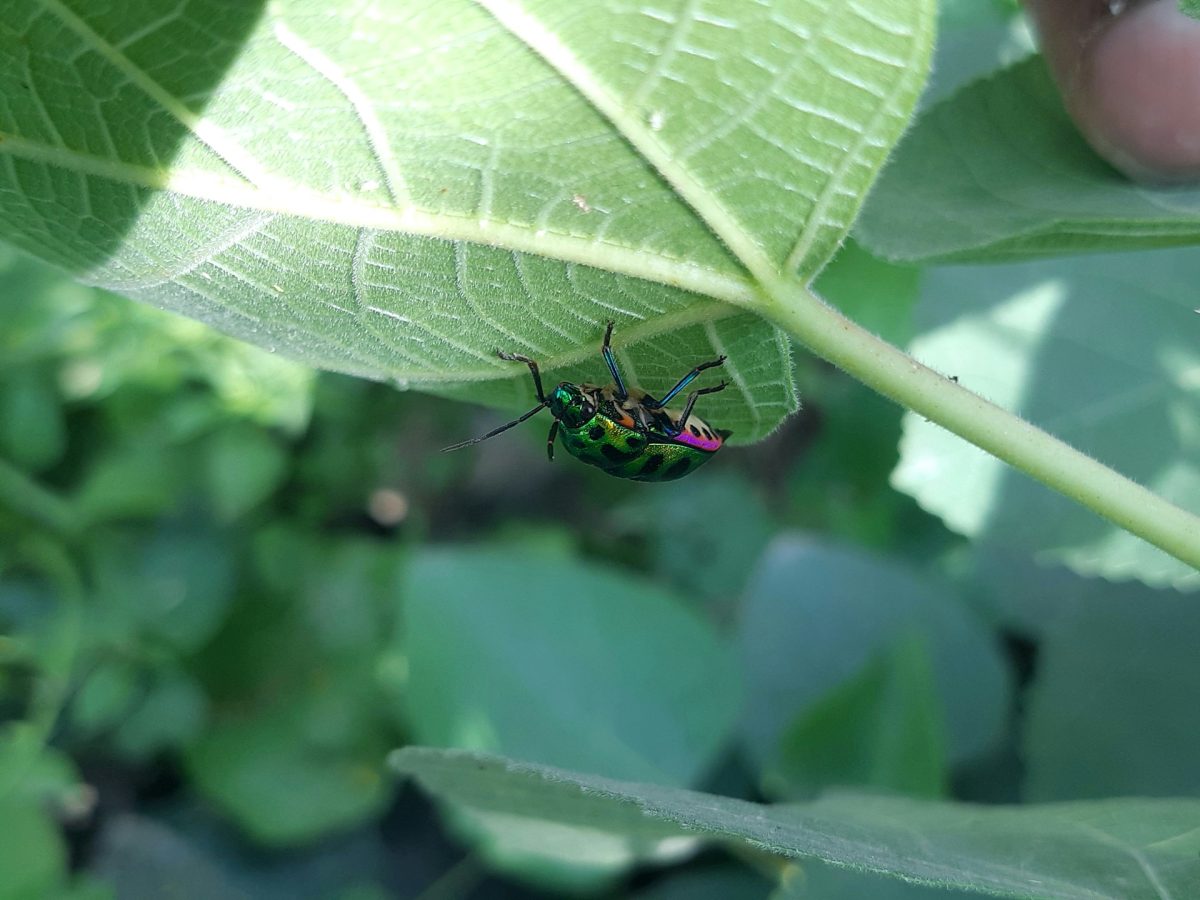
A thriving garden feels like magic until an army of uninvited guests shows up. Pests don’t just appear randomly; they are drawn to gardens that unintentionally create the perfect playground. Understanding what attracts insects and critters can transform a frustrating, bug-filled garden into a flourishing, balanced ecosystem. From soil conditions to plant choices, every detail matters, and small tweaks can make a massive difference.
Keeping a garden pest-free is less about chemicals and more about strategy. Knowing why pests flock to certain areas allows gardeners to anticipate problems, take proactive steps, and protect plants without turning the backyard into a battlefield. Every choice, from mulch type to watering patterns, impacts which insects feel welcome and which ones stay away.
1. Location, Location, Location: Why Placement Matters
The way a garden is positioned can either invite pests in droves or keep them at bay. Gardens tucked in damp, shaded areas often harbor slugs, snails, and fungus gnats because moisture provides the perfect breeding ground. Sun-drenched plots, on the other hand, may attract aphids and spider mites that thrive in warmth. Soil type plays a huge role too—rich, organic soil teeming with nutrients can feed plants, but it also feeds pests. Gardens near woods, compost piles, or standing water have extra wildlife traffic, bringing beetles, caterpillars, and even rodents along for the ride.
Wind patterns and plant spacing also impact pest activity. Crowded plants restrict airflow, creating humidity pockets that insects love. Conversely, wide spacing encourages circulation, making the environment less hospitable to many common pests. Considering location early on—what gets sunlight, how water drains, and where critters can sneak in—sets a foundation for healthier plants and fewer infestations. Thoughtful placement saves frustration, reduces chemical dependency, and gives gardens a natural advantage against unwanted visitors.
2. Plant Choices That Pull Pests In
Certain plants naturally attract more insects than others, either because of scent, nectar, or leaf composition. Roses, for instance, can draw aphids by the thousands, while fruiting plants like tomatoes and cucumbers might attract hornworms or whiteflies. Fast-growing annuals sometimes act as “trap crops,” luring pests away from more valuable plants, which is a clever strategy if used correctly. Plant diversity also matters: monocultures often amplify pest problems, while mixed beds confuse insects and reduce large infestations.
Flowers aren’t off the hook either. Sweet-smelling blooms bring pollinators but can also attract ants or beetles looking for food. Companion planting, like pairing marigolds with vegetables, can create natural deterrents while still keeping gardens colorful and productive. Knowing which plants act as magnets and planning accordingly reduces the constant battle against insects. Combining plant selection with smart layout decisions provides a layered defense that keeps gardens thriving without overreliance on chemicals.
3. Watering Habits That Make or Break Pest Control
Overwatering is one of the most common mistakes in garden management, and it creates a playground for pests. Slugs, snails, and fungal diseases flourish in overly moist soil. Meanwhile, inconsistent watering weakens plants, making them more vulnerable to insects like aphids and whiteflies. The solution lies in consistency: watering deeply but infrequently encourages strong root systems that resist both drought and disease. Mulching around plants helps retain moisture while keeping the surface drier, which discourages critters from settling in.
Watering techniques also matter. Drip irrigation or soaker hoses reduce leaf wetness, which helps prevent fungal infections and discourages insects that rely on damp foliage. Avoiding water accumulation in saucers, buckets, or low spots around the garden eliminates breeding grounds for mosquitoes and gnats. Strategic watering is a simple step that dramatically impacts garden health and pest management. Paying attention to how, when, and where plants receive water can prevent minor problems from turning into full-blown infestations.
4. Soil Health and Fertilization: The Hidden Influencers
Healthy soil produces healthy plants, and healthy plants fend off pests more effectively. Overfertilization, especially with nitrogen-heavy fertilizers, can create lush, tender growth that aphids and caterpillars love. Conversely, nutrient-poor soil leaves plants weak and susceptible to disease and insects. A balanced approach, using compost, organic matter, and slow-release fertilizers, ensures plants grow strong without becoming irresistible to pests.
Soil texture also matters. Well-drained, crumbly soil encourages robust root systems and discourages pests like root maggots. Regularly testing soil for pH and nutrient levels prevents surprises and informs proper fertilization schedules. Healthy soil acts as a buffer against environmental stress, giving plants the resilience to recover from minor infestations. It’s a quiet but powerful factor that separates pest magnets from pest-resistant gardens, proving that groundwork makes all the difference in plant defense.
5. Natural Predators: Your Secret Garden Allies
Introducing or encouraging beneficial insects can dramatically reduce pest populations. Ladybugs, lacewings, and predatory wasps target aphids, mites, and caterpillars without harming plants. Birds also play a role, feasting on insects that might otherwise decimate leaves and flowers. Even small reptiles like lizards can help keep populations under control. Creating habitats for these allies, such as flowering borders, water sources, or small brush piles, turns the garden into an ecosystem rather than a war zone.
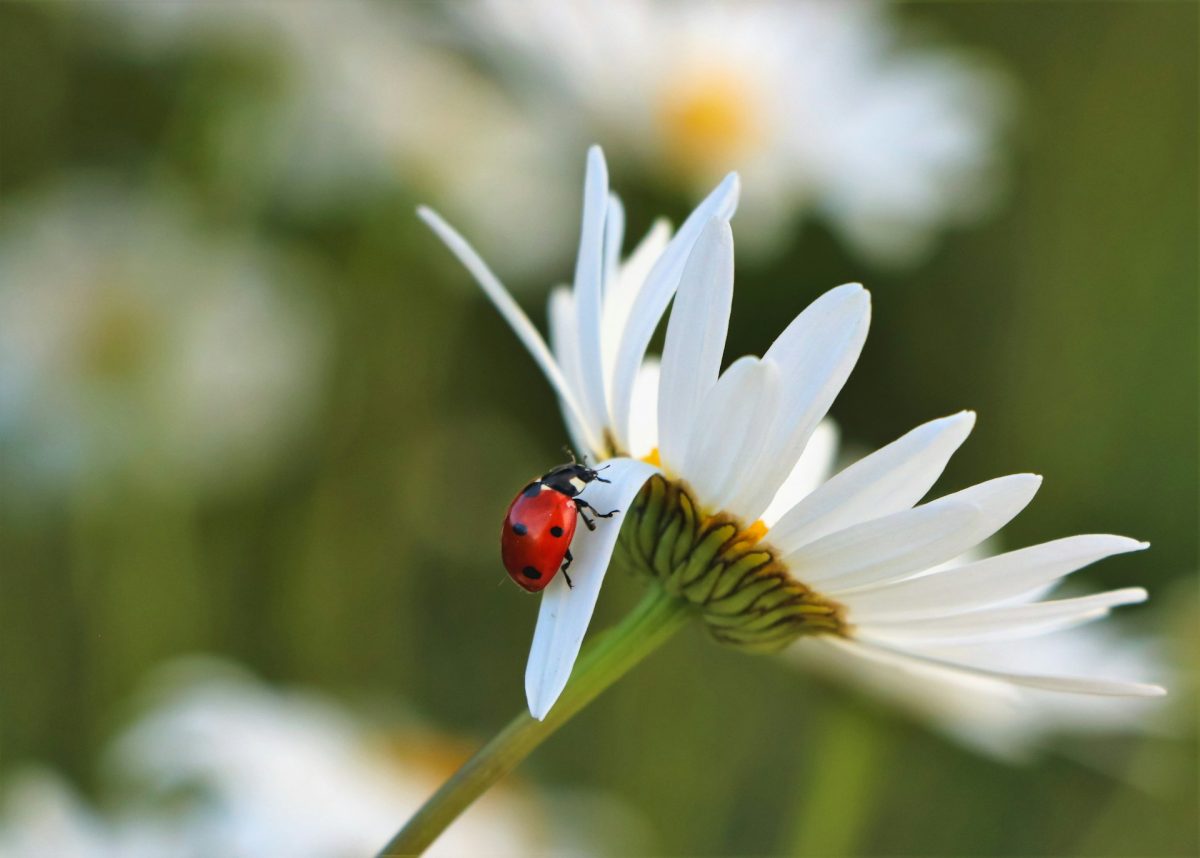
Timing matters here too. Planting flowers that bloom in succession throughout the season provides steady food for beneficial insects, keeping them around when pests appear. Avoiding broad-spectrum pesticides ensures these natural predators survive and thrive. Gardens that attract allies rather than repel them enjoy long-term pest control benefits and reduced chemical use. Supporting beneficial species is an investment in balance, making the garden more enjoyable and less stressful.
6. Designing For Defense: Layout Matters
How plants are arranged can either amplify pest issues or reduce them naturally. Dense plantings trap humidity and slow airflow, creating microclimates that pests adore. Alternating rows of different species, using companion plants, and leaving pathways for air circulation disrupt insect behavior and limit damage. Vertical gardening can also reduce exposure to soil-borne pests and encourage predators to patrol leaves more easily.
Strategic garden layout isn’t just about aesthetics—it’s about creating barriers and buffers. Placing pest-resistant plants near vulnerable ones, rotating crops, and staggering planting times prevents large-scale infestations. Even small changes, like spacing plants to avoid crowding or using raised beds for certain vegetables, can make a measurable difference. Thoughtful design turns the garden into a dynamic environment that encourages growth and discourages pests naturally.
Grow Smarter, Not Harder
Gardening is as much about strategy as it is about soil and sunshine. Understanding why pests are drawn to certain areas and taking preemptive action transforms frustration into confidence. Choosing plants wisely, managing water and soil, and designing spaces to encourage natural predators creates a garden that thrives with fewer interruptions. Gardening becomes less about constant battle and more about playing smart.
What strategies have worked to keep pests under control, or which unexpected garden invaders have taught lessons worth sharing? Drop experiences, tips, or stories in the comments to keep the conversation buzzing.
You May Also Like…
March Garden Pests That Hide Underground
How to Protect Garden Borders From Pests
March Garden Pests That Show Up Before You Notice the Damage
12 Of The Worst Garden Pests And How To Get Rid Of Them
This One Winter Gardening Habit Could Be Spreading Invasive Pests Across the South

Brandon Marcus is a staff writer for FrugalGardening.com at District Media, Inc., where he delivers practical gardening advice with a relatable, no-nonsense style. An avid amateur gardener, he holds a BA degree and with over ten years of professional writing experience, he is also an award-winning published author whose first book, Questions For Deep Thinkers, was released by Adams Media. His work has appeared in major publications including Fandom.com, CHUD.com, TheColdWire.com, and Fansided.com.
Leave a Reply