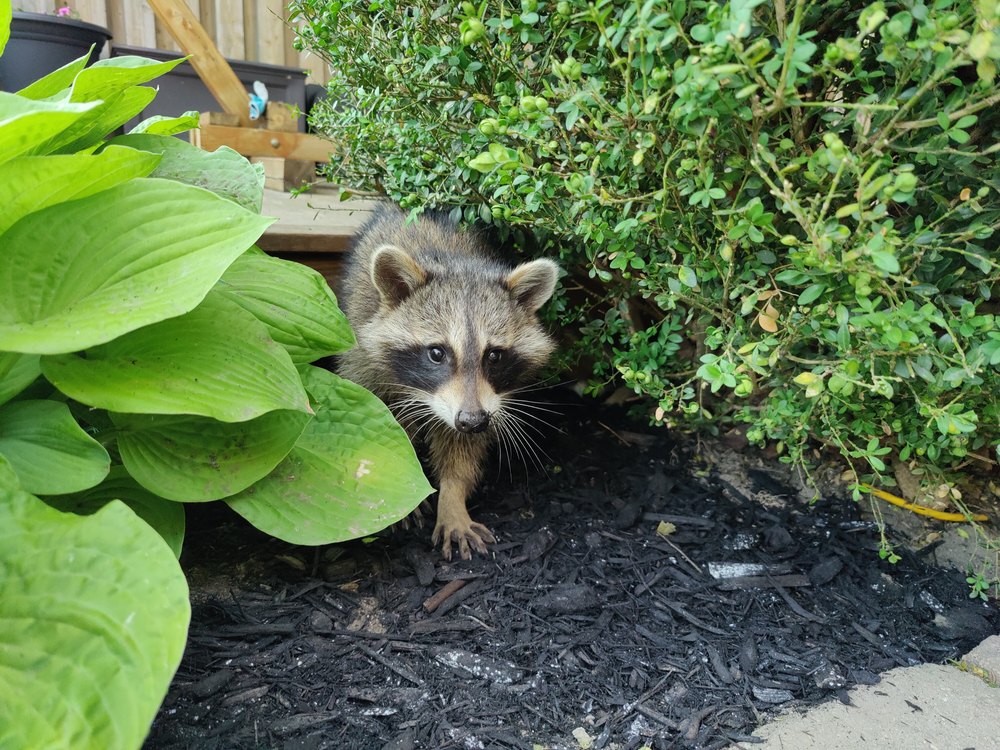
A raccoon doesn’t ask permission. It strolls into a garden like it owns the place, flips soil, snacks on produce, and leaves behind a mess that feels personal. That kind of chaos pushes gardeners to think bigger, smarter, and far more creatively than a simple barrier ever could.
Forget bulky fencing and expensive setups for a moment, because plants themselves can fight back. The right mix of scent, texture, and placement can turn a garden into a space that raccoons simply don’t want to deal with. A well-planned garden doesn’t just grow food or flowers; it creates a natural defense system that works quietly but effectively every single day.
Plants That Smell Like Trouble (At Least to Raccoons)
Raccoons rely heavily on their sense of smell, and that fact opens the door to one of the simplest and most effective gardening strategies available. Strong, pungent plants can disrupt their instincts and make a space feel uninviting without harming anything. Garlic, onions, and herbs like mint and rosemary create an aromatic wall that feels overwhelming to curious wildlife, even if they’re hungry. These plants don’t just sit quietly either; they release oils that linger in the air and cling to the soil, which keeps the scent barrier active even after a light rain.
Planting these around the perimeter of a garden builds a natural scent shield that works day and night. Garlic rows along the edges, clusters of mint in strategic spots, and rosemary tucked between beds can create a layered defense system. That layering matters because it forces raccoons to encounter multiple strong scents at once, which often pushes them to move on rather than investigate further. A single plant might not do much, but a coordinated mix sends a much louder message.
Seasonal planning adds a layer of effectiveness, especially when gardeners rotate crops or mix perennials with annuals. Mint and rosemary can anchor the strategy year-round, while garlic and onions can rotate through different beds. That variety keeps the scent profile fresh and unpredictable, which discourages animals that rely on routine. A garden that constantly changes its scent signature becomes far less appealing over time.
Texture Matters: Plants That Feel Like a Bad Idea
Raccoons don’t enjoy struggling through uncomfortable terrain, and certain plants can create exactly that kind of experience. Prickly, coarse, or dense foliage can make movement awkward and frustrating, which encourages animals to look elsewhere for easier meals. Plants like squash, pumpkins, and zucchini grow large leaves with rough textures that don’t feel pleasant underfoot. Those sprawling vines can act like a living barrier that spreads across the soil and blocks easy access.
Strategic placement of these plants can protect more delicate crops that raccoons typically target. Planting squash around corn or berries creates a natural defense layer that forces raccoons to navigate a less comfortable path. That added effort often makes them lose interest, especially when easier options exist nearby. A garden doesn’t need to become hostile, but it should feel inconvenient enough to discourage casual exploration.
Dense shrubs can also play a powerful role in this strategy. Thick, bushy plants create visual and physical obstacles that break up open space and limit movement. Raccoons prefer clear paths where they can move quickly, and a crowded garden disrupts that preference. Shrubs combined with ground cover plants can create a multi-level barrier that feels confusing and restrictive.
Companion Planting That Outsmarts Night Visitors
Companion planting often gets attention for boosting growth and deterring insects, but it can also help keep larger animals away when used creatively. Pairing vulnerable crops with strong-smelling or textured plants can create natural protection without any additional effort. Corn, for example, often attracts raccoons, but planting it alongside beans and squash forms a classic trio that adds both scent and physical barriers. That combination not only benefits the plants themselves but also complicates access for unwanted visitors.
Layering crops in this way creates a more complex environment that feels less predictable and harder to navigate. Raccoons tend to favor straightforward access, and mixed planting disrupts that preference. A garden that blends heights, scents, and textures becomes far less appealing than a neat, uniform layout. Variety becomes a powerful tool that works on multiple levels at once.
This approach doesn’t require perfection, but it does benefit from thoughtful planning. Mixing plants with purpose creates a garden that feels intentional rather than random. When every section serves both a growing and protective function, the entire space becomes more resilient. A little strategy can transform a simple garden into a well-coordinated system that quietly keeps trouble away.

Bright Blooms and Bold Choices That Send a Signal
Flowers don’t just add beauty; they can also influence how animals interact with a space. Certain blooms produce strong scents or contain compounds that raccoons find unpleasant, which makes them useful additions to a defensive garden plan. Marigolds, for example, release a distinct smell that many animals avoid, and their bright color adds a visual punch at the same time. Nasturtiums can also play a role, offering both scent and dense growth that supports other deterrent plants.
Planting flowers throughout the garden instead of isolating them in one area spreads their impact more effectively. Borders, pathways, and even small clusters between vegetables can extend the reach of their scent. That distribution creates a more consistent experience across the entire space, which reduces the chances of raccoons finding a comfortable entry point. A garden that feels uniform in its deterrent signals becomes much harder to crack.
Color can also influence perception, even if scent does most of the heavy lifting. Bright, bold flowers can make a space feel more active and less inviting to cautious animals. While raccoons rely more on smell than sight, a vibrant garden can still contribute to an overall sense of disruption. Every small detail adds up when combined with other strategies.
Build a Garden That Fights Back Naturally
A garden doesn’t need fences to stand its ground. With the right mix of plants, thoughtful layout, and consistent care, it can create its own defense system that works around the clock. Strong scents, challenging textures, and smart pairings can transform an inviting space into one that feels like too much effort for a passing raccoon. That transformation doesn’t happen by accident; it comes from choosing plants with purpose and placing them with intention.
The beauty of this approach lies in its simplicity and sustainability. Plants grow, adapt, and improve the space while quietly doing their job in the background. No harsh methods, no complicated setups, just a garden that uses its own strengths to stay protected. That kind of strategy feels satisfying because it works with nature instead of against it.
What combination of plants would make a garden feel both beautiful and untouchable at the same time? Share thoughts, ideas, or even a wild garden experiment in the comments and see how others keep their spaces thriving without fences.
You May Also Like…
March Garden Pests That Hide Underground
How to Protect Garden Borders From Pests
The Cheapest Way to Build a Compost Bin
These Birdseed Additives Are Spreading Salmonella — Wildlife Officials Sound the Alarm
6 Items Experts Say You Should Never Store in a Greenhouse

Brandon Marcus is a staff writer for FrugalGardening.com at District Media, Inc., where he delivers practical gardening advice with a relatable, no-nonsense style. An avid amateur gardener, he holds a BA degree and with over ten years of professional writing experience, he is also an award-winning published author whose first book, Questions For Deep Thinkers, was released by Adams Media. His work has appeared in major publications including Fandom.com, CHUD.com, TheColdWire.com, and Fansided.com.
Leave a Reply