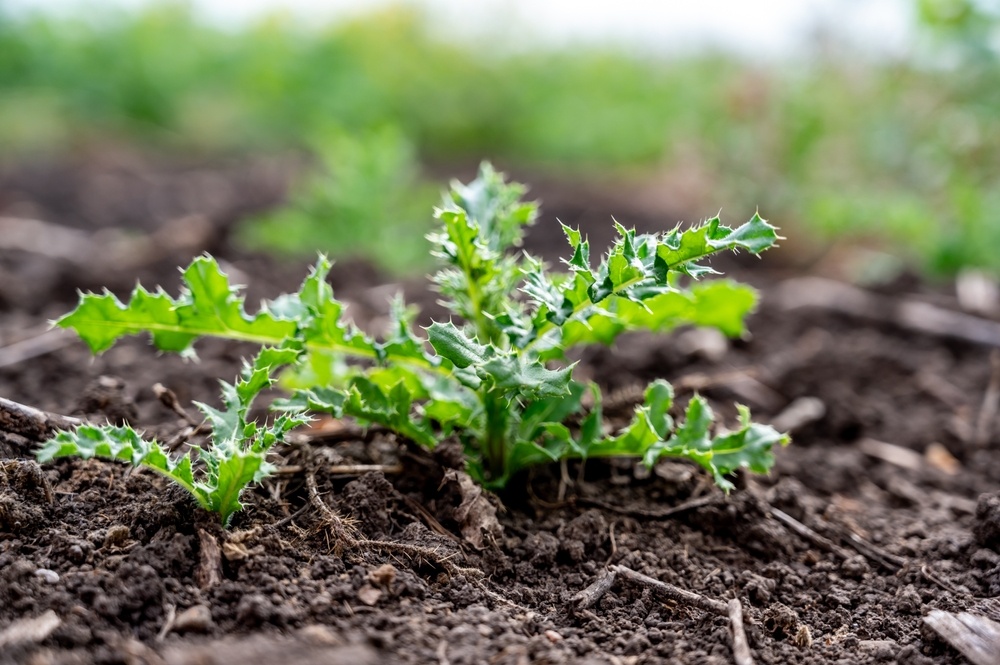
Spring explodes onto the scene, bringing sunshine, fresh blooms, and an army of weeds that seem to appear overnight. These early spring invaders don’t just pop up randomly—they exploit warming soils, early rains, and unprepared gardens to stake their claim before most plants even think about growing. Every tender green shoot in a flower bed or vegetable patch risks being overshadowed by these opportunistic plants. What looks like a charming patch of green can quickly morph into a chaotic tangle if not managed carefully and intelligently.
Gardeners often underestimate the vigor of early weeds. Some varieties germinate in as little as five days once the soil warms, and their rapid growth can outcompete young seedlings for sunlight, water, and nutrients. Beyond simple annoyance, unchecked weeds can alter soil composition, host pests, and interfere with pollinator patterns.
Timing Is Everything: Why Early Spring Gives Weeds the Upper Hand
Early spring weeds germinate when temperatures climb, but before most ornamental or vegetable plants even start to stir. Cool-season annuals, such as chickweed and henbit, germinate in soils that hover around 40 to 50 degrees Fahrenheit. These plants take advantage of low competition, establishing themselves quickly and forming dense mats that crowd out desirable plants. Moisture from melting snow or early rains accelerates their growth, giving them an almost unfair head start in the garden race.
Soil preparation often lags behind the initial warming, leaving bare patches that weeds exploit effortlessly. Disturbed soil from winter freeze-thaw cycles also provides ideal seedbeds, where weed seeds can lodge, germinate, and thrive. Gardens with limited mulch or ground cover experience faster weed proliferation because sunlight reaches the soil, signaling seeds that it’s time to sprout.
Seed Dispersal Secrets: How Weeds Travel Far and Fast
Early spring weeds spread not just by growth but by clever dispersal methods. Many species release seeds explosively, flinging them across several feet, while others rely on wind, water, or even animal fur to travel long distances. Dandelions, for example, use parachute-like seeds that float on breezes, allowing a single plant to scatter hundreds of offspring across the garden. Birds, pets, and human foot traffic contribute to accidental transportation, meaning a weed in the neighbor’s yard might quickly appear in your prized flower bed.
The seeds themselves can survive cold, wet winters, lying dormant until conditions are perfect. This dormancy allows multiple generations to thrive each year, particularly in temperate climates where frost patterns are unpredictable. Gardeners can disrupt this cycle by removing weeds before they flower, using barriers, or strategically planting cover crops to shade the soil.
Soil and Sunlight: Why Weeds Outperform Garden Plants
Weeds often outperform cultivated plants because they are naturally adapted to take advantage of the environment. Many early spring weeds have shallow roots that extract nutrients rapidly, while others release chemicals into the soil to inhibit neighboring plant growth. This aggressive strategy allows weeds to dominate in nutrient-rich, lightly tended soil, giving them a competitive advantage over seedlings that grow more slowly or require consistent care.
Sunlight access further magnifies their advantage. Low-growing mats or upright shoots can shade young plants, stunting their growth and sometimes preventing them from reaching maturity. Gardeners can counteract this by increasing plant density, using mulches to block sunlight from bare soil, or employing companion planting techniques that shade soil and deter weed emergence. Observing how weeds exploit light and nutrients reinforces the need for proactive interventions rather than reactive measures later in the season.
Water and Weather: The Role of Early Spring Conditions
Moisture and temperature fluctuations in early spring accelerate weed proliferation. Many weeds require consistent soil moisture for germination, and spring rains or melting snow create perfect conditions. Unlike most garden plants that may struggle with variable temperatures, weeds tolerate cold snaps and wet soils, giving them a survival advantage. Once established, their robust root systems make them resilient against drying out or sporadic watering patterns.
Weather patterns also influence seed germination cycles. Mild winters followed by sudden warm spells create ideal conditions for weeds to sprout earlier than expected. Gardeners can mitigate this by monitoring local climate trends, adjusting planting schedules, and preparing irrigation strategically to favor desired plants over opportunistic weeds. The interplay between water, weather, and weed biology shows how environmental awareness forms a critical component of effective garden management.
Mulching and Ground Cover: Blocking Weed Advantage
Mulching and ground cover act as natural shields against early spring weeds. Organic mulch, such as shredded bark or straw, blocks sunlight, discouraging germination of light-dependent seeds. Ground cover plants, including creeping thyme or low-growing perennials, shade the soil and compete directly with weeds for nutrients and water. These methods not only reduce weed pressure but also improve soil structure, conserve moisture, and promote beneficial soil organisms.
Timing mulch application matters. Applying it too early can trap moisture around dormant weeds, while waiting too long allows weed seeds to germinate unchecked. Strategically placed mulch, combined with carefully selected ground cover, creates a proactive barrier that prevents weeds from gaining the upper hand. This approach demonstrates that prevention often outweighs elimination when it comes to controlling aggressive early spring weeds.
Manual and Mechanical Control: Tools That Actually Work
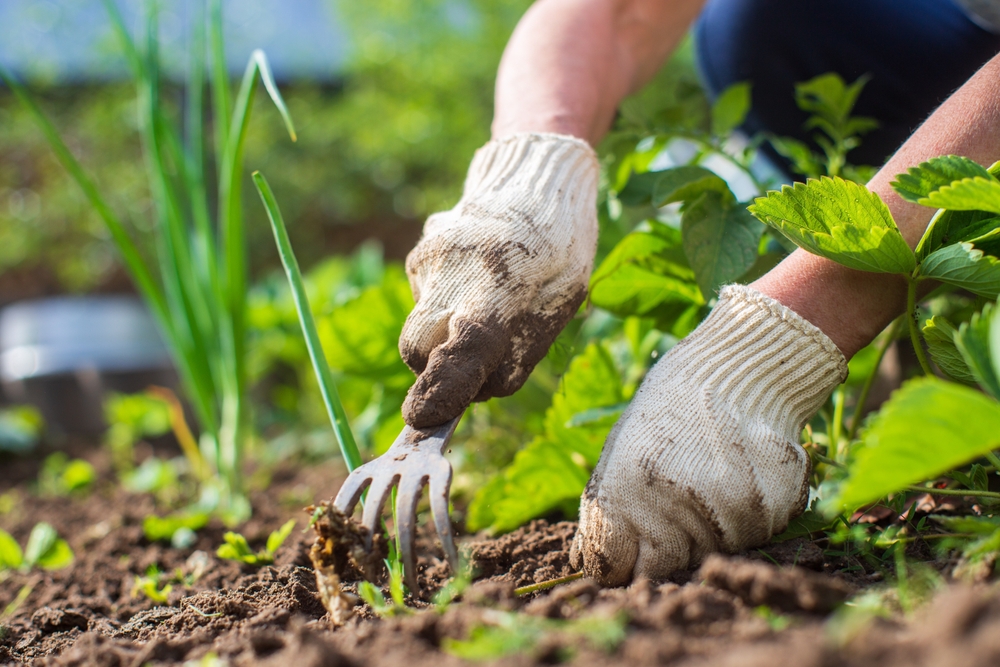
Early intervention with physical removal still ranks among the most effective ways to manage weeds. Hand-pulling young weeds before they establish strong roots prevents seed production and limits spread. Gardeners can also use hoes, cultivators, or mechanical tillers to disturb soil and uproot seedlings, particularly in vegetable beds. Consistent effort early in the season prevents exponential growth later, saving time and effort compared to dealing with fully mature plants.
Proper technique matters. Pulling too late, leaving root fragments behind, or disturbing soil improperly can inadvertently encourage regrowth. Combining manual removal with mulching, pre-emergent treatments, and strategic planting strengthens overall weed management. By treating weed control as a system rather than a one-time task, gardeners increase efficiency and reduce the frustration of seeing invasive plants dominate garden spaces.
Smart Planting Strategies: Outsmarting Early Spring Weeds
Choosing the right plant combinations and planting density helps outcompete weeds naturally. Fast-growing ground covers, dense perennials, and well-timed vegetable plantings create competition for resources that weeds cannot easily overcome. Staggered planting schedules and layered beds allow desirable plants to establish before weeds gain traction, minimizing bare soil that seeds can exploit.
Integrating these strategies with other preventative measures—mulching, soil care, and timely watering—forms a comprehensive approach that reduces weed pressure without relying entirely on chemical controls. Early spring weeds thrive on opportunity, and gardeners can deny that opportunity by making thoughtful, strategic choices about planting and garden design. This proactive approach emphasizes that intelligence and planning often beat sheer effort when it comes to managing aggressive weeds.
Winning the Early Spring Battle
Weeds spread faster than most gardeners anticipate because they exploit timing, soil, sunlight, moisture, and minimal competition. Controlling them requires a multi-pronged strategy that combines observation, prevention, and early intervention. From understanding germination patterns to employing physical and cultural controls, gardeners who act decisively can protect their plants and preserve the beauty and productivity of their gardens.
Which early spring weed strategy seems most practical or surprising? Which combination of mulching, planting, and manual control could transform garden maintenance this season? Share experiences, tips, and unique insights in the comments.
You May Also Like…
How to Identify Invasive Weeds Early
Unusual Weeds That Often Appear First in Early Spring
10 Winter Weeds That Start Early and How to Stop Them
11 Sneaky Weeds That Look Innocent Until They Destroy Your Beds
Are You Accidentally Encouraging Weeds Without Realizing It?

Brandon Marcus is a staff writer for FrugalGardening.com at District Media, Inc., where he delivers practical gardening advice with a relatable, no-nonsense style. An avid amateur gardener, he holds a BA degree and with over ten years of professional writing experience, he is also an award-winning published author whose first book, Questions For Deep Thinkers, was released by Adams Media. His work has appeared in major publications including Fandom.com, CHUD.com, TheColdWire.com, and Fansided.com.
Leave a Reply