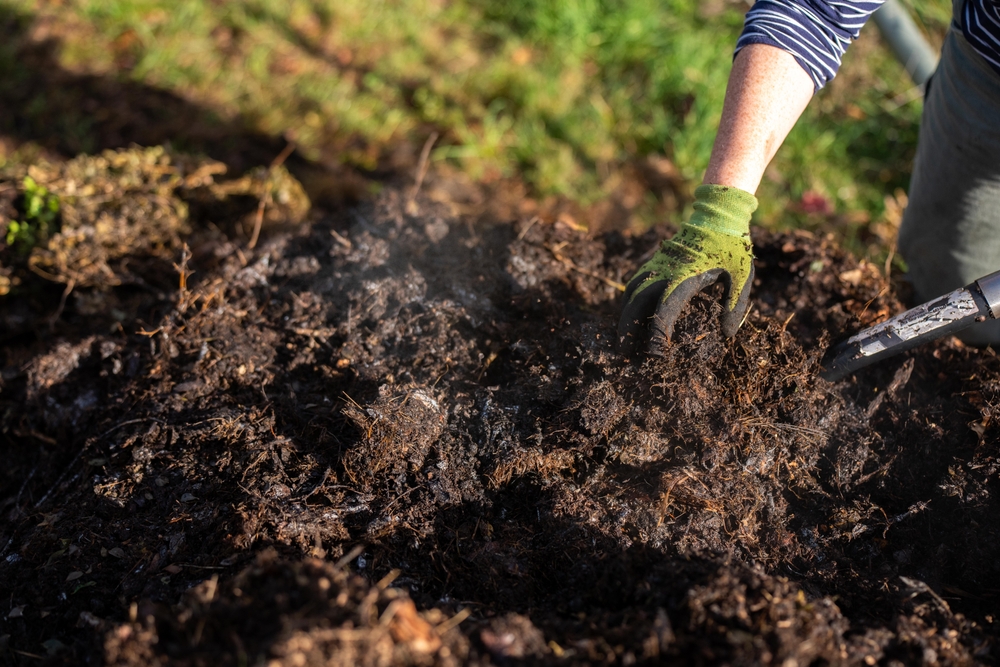
Composting promises rich, dark soil that plants love, but when the pile refuses to heat up, frustration sets in fast. That cold, sluggish mound looks innocent, but beneath the surface, decomposition stalls and nutrients barely develop. Without heat, microbes can’t work at their peak, and the result is a slow, inefficient process that leaves gardeners waiting weeks—or even months—for usable compost. The problem isn’t always obvious, and it doesn’t signal failure. It signals opportunity to understand the hidden mechanics of soil science and give nature exactly what it needs.
Plants thrive when the soil around them contains balanced nutrients, and hot compost accelerates that cycle dramatically. The magic happens when microbes feast on a mix of greens and browns, producing heat that transforms organic matter into rich humus. A pile that doesn’t warm up indicates an imbalance somewhere—too dry, too wet, too little nitrogen, or not enough surface area for microbial action.
Balancing Greens and Browns: The Foundation of Heat
Compost generates heat when microbes break down organic matter, but these tiny workers need the right diet to thrive. Greens, like vegetable scraps and fresh grass clippings, supply nitrogen, which fuels microbial growth. Browns, including dried leaves, straw, and cardboard, provide carbon, giving structure and energy to the pile. A pile that leans too heavily on browns can choke microbial activity, leaving it cold, while too many greens create a soggy mess that smells instead of cooks. Achieving the right ratio—roughly two-thirds browns to one-third greens by volume—sparks microbial action and pushes the temperature upward.
Moisture and texture also play critical roles in how effectively a compost pile heats. A pile that’s dry prevents microbes from moving and reproducing, while a waterlogged heap suffocates them entirely. Fluffing up layers and shredding materials into smaller pieces increases surface area, allowing microbes to access food faster and generate more heat. Gardeners often underestimate the power of simple layering, and turning the pile periodically keeps air circulating and heat building. A balanced, active pile can reach temperatures of 130–160 degrees Fahrenheit, hot enough to break down most organic material quickly and destroy weed seeds, creating a rich, safe compost for any garden.
Airflow: The Unsung Hero of Compost
Microbes can’t work miracles without oxygen, and a compacted pile reduces airflow, leaving decomposition sluggish. A pile that sits heavy and dense traps pockets of air, cutting off oxygen supply and stalling heat production. Introducing space between layers, using coarse materials like twigs or straw at the base, and turning the pile regularly can revive airflow and kick-start microbial activity. This step doesn’t just warm the pile; it prevents anaerobic zones that produce foul odors, keeping the compost both effective and pleasant.
Even minor adjustments, like poking a garden fork through dense sections or creating channels for air to move upward, dramatically improve performance. Every time air circulates, microbes gain energy, increasing their efficiency and producing more heat naturally. Some gardeners even incorporate vented compost bins or layered bins with slats to optimize oxygen flow, especially in smaller yards. Without adequate airflow, even a perfectly balanced mix of greens and browns may sit cold, and that’s why attention to structure can make or break the pile.
Size Matters: When Piles Stay Cold
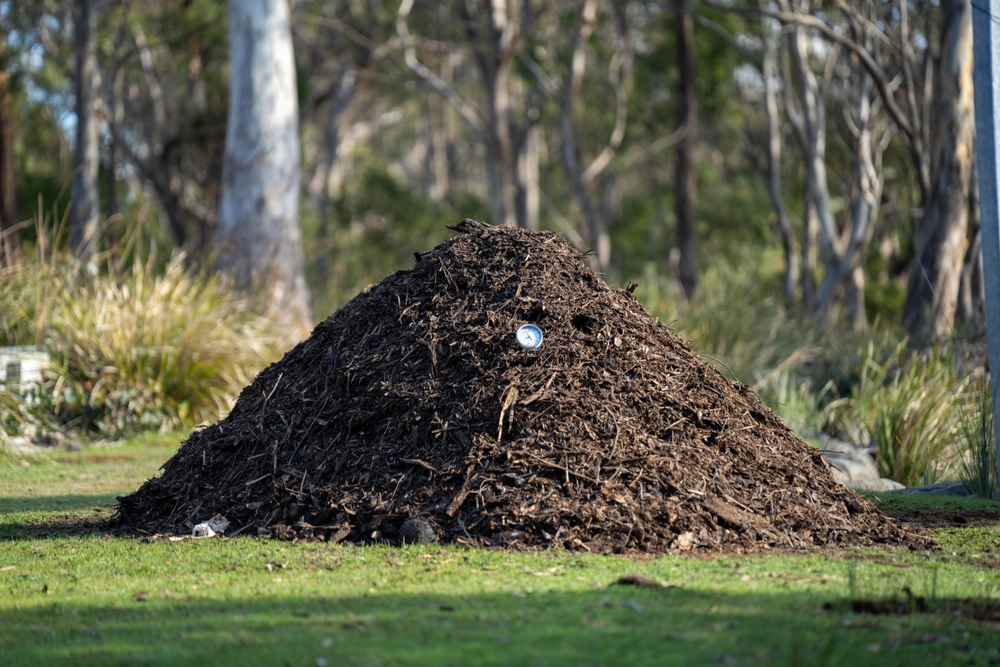
A pile that’s too small struggles to maintain heat, even with perfect ingredients and moisture. Microbes generate heat collectively, and a mound that’s compacted or tiny loses warmth faster than it builds it. Experts recommend building a compost pile at least three feet wide, three feet deep, and three feet tall to create the ideal thermal mass. That size retains energy, allowing microbial populations to ramp up and sustain temperature through the active decomposition stage.
Larger piles can sustain higher heat for longer periods, breaking down tough materials like corn stalks or woody stems efficiently. For gardeners with space constraints, batch composting or using insulated bins can replicate the effect, keeping heat centralized and decomposition continuous. Awareness of size limitations prevents frustration and provides a practical solution for small gardens. A well-sized, properly balanced pile will not only heat up faster but also produce consistent, nutrient-dense compost for months.
Temperature Tracking: Know Your Pile
Monitoring the temperature of a compost pile might seem excessive, but it provides essential insight into microbial health. A simple compost thermometer lets gardeners track progress, revealing cold spots or areas that need turning, moisture, or more nitrogen-rich material. Targeting the 130–160 degrees Fahrenheit range ensures optimal breakdown and reduces pathogens, giving plants soil that’s both safe and potent.
Temperature monitoring allows adjustments before problems grow, turning slow piles into efficient compost machines. Repositioning layers, adding fresh greens or browns, and adjusting moisture all become precise actions guided by real-time data. Knowing exactly where the pile stands empowers gardeners to maintain heat without guesswork. A thermally active pile isn’t just faster; it’s a controlled, predictable environment that delivers consistent results season after season.
Microbial Mix: Nature’s Tiny Engines
Composting is a symphony of microorganisms, and diversity matters. Bacteria initiate rapid decomposition, fungi break down tough lignin in woody materials, and actinomycetes tackle fibrous, stubborn matter. A lack of microbial diversity slows the pile, leaving it cold and unproductive. Introducing garden soil, finished compost, or natural inoculants can boost microbial populations, giving the pile a jump-start when activity lags.
Each microbe has a niche, and their cooperation determines how efficiently the pile heats. Encouraging a rich mix of species ensures that decomposition happens across all layers, not just the top. Neglecting microbial health leads to uneven results and wasted materials. Healthy microbes are the unsung heroes of every garden, and nurturing them guarantees compost that’s not just hot, but nutrient-packed and ready to support thriving plants.
Turn It Into a Hot Habit
The ultimate secret to hot compost isn’t a single trick—it’s consistent care and observation. Turning, monitoring moisture, maintaining balance, and encouraging airflow all work together to create a pile that hums with energy. When attention becomes habit, composting shifts from a chore into a dynamic process that fuels gardening success. Plants respond quickly to nutrient-rich soil, showing more vibrant growth and higher yields, making the effort more than worth it.
What’s the most surprising adjustment that has ever kick-started a compost pile? Jot down your experiences, tips, or wild gardening wins in the comments, and see how others keep their piles humming with life.
You May Also Like…
The Cheapest Way to Build a Compost Bin
Why Some Compost Smells in Spring
The Compost Mistake That Wastes Money Every Spring
7 Things You Should Never Compost in Winter—Even If You Do in Summer
Why You Shouldn’t Compost These 3 Things—Even If TikTok Says It’s Fine

Brandon Marcus is a staff writer for FrugalGardening.com at District Media, Inc., where he delivers practical gardening advice with a relatable, no-nonsense style. An avid amateur gardener, he holds a BA degree and with over ten years of professional writing experience, he is also an award-winning published author whose first book, Questions For Deep Thinkers, was released by Adams Media. His work has appeared in major publications including Fandom.com, CHUD.com, TheColdWire.com, and Fansided.com.
Leave a Reply