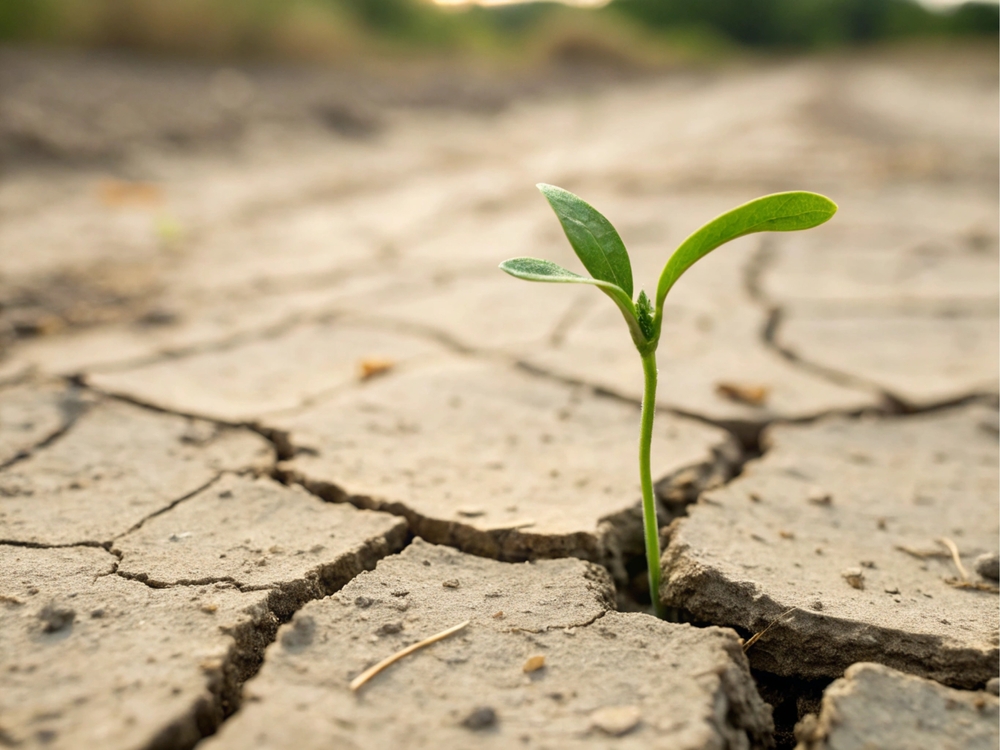
Crack open the surface of your garden soil and pay attention to what shows up. That dusty, dry texture doesn’t just sit there looking lifeless—it broadcasts a message loud and clear. Soil never stays neutral. It reacts, shifts, and reveals exactly what’s happening beneath the surface, and ignoring it only leads to struggling plants and disappointing harvests.
Healthy soil feels alive, rich, and full of structure. Dry, powdery dirt tells a completely different story, one that often includes missing nutrients, poor water retention, and a lack of organic matter. Fixing it doesn’t require a miracle product or a complete reset. A few smart changes can turn tired soil into something that actually supports growth, and the transformation feels surprisingly satisfying once it starts.
When Soil Turns to Dust, It’s Crying Out for Organic Matter
Dry soil almost always points to one major issue: a lack of organic matter. Without compost, decomposed leaves, or natural material mixed in, soil loses its ability to hold moisture and nutrients. It becomes loose, lifeless, and quick to dry out under even mild heat. That dusty texture doesn’t just look uninviting—it actively works against plant growth by leaving roots without the support they need.
Adding organic matter changes everything. Compost improves soil structure, helps retain water, and feeds beneficial microbes that support plant health. Even a thin layer worked into the top few inches can make a noticeable difference over time. Mulching with leaves, grass clippings, or bark also protects the soil from drying out too quickly. Each addition builds a richer, more resilient foundation that encourages steady growth instead of constant struggle.
Soil thrives on diversity, not emptiness. When organic material breaks down, it creates tiny pockets that hold both air and moisture, giving roots the perfect environment to expand. Keeping that cycle going ensures the soil stays active and productive rather than brittle and exhausted.
Water Isn’t the Problem—It’s How the Soil Holds It
Dry soil often tricks people into thinking they simply need to water more. In reality, the issue usually comes down to poor water retention. When soil lacks structure, water rushes through too quickly or evaporates before roots can absorb it. Dumping more water on the surface won’t fix the underlying problem and often wastes both time and resources.
Improving water retention starts with changing how the soil behaves. Organic matter acts like a sponge, holding moisture in place so plants can access it longer. Watering deeply but less frequently encourages roots to grow downward instead of staying shallow and fragile. Timing also matters—early morning watering reduces evaporation and allows moisture to settle in before heat kicks in.
Simple adjustments create long-term improvements. A layer of mulch reduces evaporation dramatically and keeps soil temperatures more stable. Over time, these changes transform dry, dusty ground into something that holds moisture effectively, making watering easier and far more efficient.
Compaction and Crusting: The Hidden Trouble Beneath the Surface
Dry soil often develops a hard crust on top, which blocks water from penetrating and prevents air from reaching plant roots. That crust might seem harmless at first glance, but it signals compaction underneath. Compacted soil restricts root growth and limits the movement of nutrients, creating a tough environment for plants to thrive. Breaking up compaction requires a gentle approach. Turning the soil lightly with a garden fork or broadfork loosens it without destroying its structure. Avoiding heavy foot traffic and working the soil when it’s too wet prevents further damage. Adding compost also helps loosen compacted areas over time, creating a softer, more workable texture.
Healthy soil should feel crumbly, not hard or sealed. When air and water move freely, roots grow stronger and plants become more resilient. Fixing compaction doesn’t happen overnight, but consistent care gradually restores balance and improves overall garden health.
Nutrient Deficiency: When Soil Has Nothing Left to Give
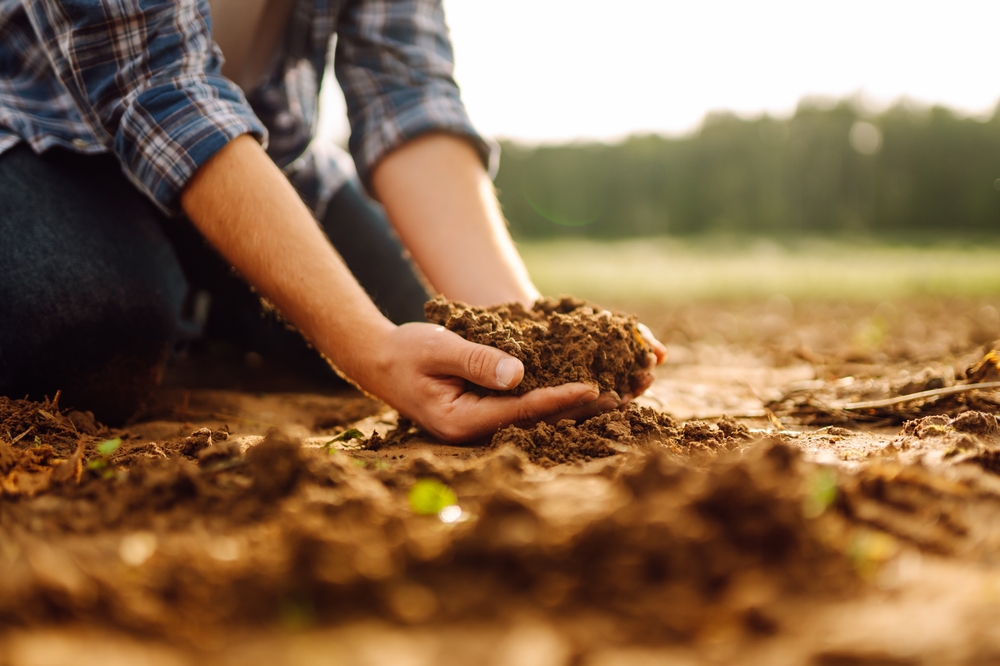
Dusty soil often lacks essential nutrients that plants need to grow. Nitrogen, phosphorus, and potassium play key roles in plant development, and depleted soil struggles to support even basic growth. Plants growing in nutrient-poor soil often appear weak, pale, or stunted, even with regular watering. Rebuilding nutrients starts with feeding the soil, not just the plants. Compost, aged manure, and organic fertilizers provide a steady release of nutrients that improve soil quality over time. Crop rotation and planting cover crops also help restore balance naturally, reducing the need for synthetic inputs.
Testing soil can provide valuable insight into what’s missing. With that information, targeted improvements become much easier and more effective. Restoring nutrients doesn’t just fix current problems—it creates a stronger foundation for future planting seasons.
Bare Soil Burns Out Fast
Leaving soil exposed invites trouble. Without protection, sunlight bakes the surface, moisture evaporates quickly, and beneficial organisms struggle to survive. That dry, dusty appearance often starts with bare soil that has faced too much exposure for too long. Covering soil changes everything. Mulch acts like a shield, reducing temperature swings and locking in moisture. Living ground covers, such as low-growing plants, also protect soil while adding organic material over time. Even a simple layer of straw or shredded leaves can make a dramatic difference.
Keeping soil covered doesn’t just preserve moisture—it supports the entire ecosystem beneath the surface. Worms, microbes, and other beneficial organisms thrive in protected environments, and their activity improves soil structure naturally. A covered garden stays healthier, more productive, and far less prone to drying out.
Overworking the Soil Can Make Things Worse
Constant digging and turning might feel productive, but it often damages soil structure and accelerates drying. Overworked soil loses its natural balance, breaking down the networks that hold moisture and nutrients together. That dusty texture can develop quickly when soil faces too much disturbance. Reducing tilling helps maintain stability. Gentle cultivation, combined with adding organic matter, supports healthier soil without disrupting its natural processes. No-till or low-till gardening methods have gained popularity for a reason—they protect soil structure and improve long-term results.
Allowing soil to rest and rebuild creates better conditions for plant growth. Less disturbance means stronger microbial activity, better water retention, and a more stable environment overall. A lighter touch often leads to stronger, healthier gardens.
The Comeback Plan: Turning Dust Into Rich, Living Soil
Fixing dry soil doesn’t require complicated steps or expensive solutions. It starts with consistency and a willingness to build better habits. Adding compost regularly, covering soil with mulch, and adjusting watering practices create noticeable improvements over time. Each step builds on the last, turning weak soil into something that supports real growth.
Patience plays a key role in this transformation. Soil improves gradually, and each season adds another layer of progress. Watching that dusty texture shift into dark, crumbly richness feels rewarding because it reflects real change happening beneath the surface. Plants respond quickly once conditions improve, often showing stronger growth and better resilience.
What changes could bring your soil back to life, and what results might show up once you give it the support it needs? Share your thoughts, strategies, or garden wins in the comments.
You May Also Like…
How to Improve Soil Using Kitchen Waste
How to Fix Soil pH Problems Naturally
These 10 Garden Hacks Are Going Viral — But Experts Say Some Are Ruining Soil Health
Why Gardeners in Texas Are Losing Entire Beds to This Soil-Borne Fungus
How to Fix Compacted Soil Without Renting Equipment

Brandon Marcus is a staff writer for FrugalGardening.com at District Media, Inc., where he delivers practical gardening advice with a relatable, no-nonsense style. An avid amateur gardener, he holds a BA degree and with over ten years of professional writing experience, he is also an award-winning published author whose first book, Questions For Deep Thinkers, was released by Adams Media. His work has appeared in major publications including Fandom.com, CHUD.com, TheColdWire.com, and Fansided.com.
Leave a Reply