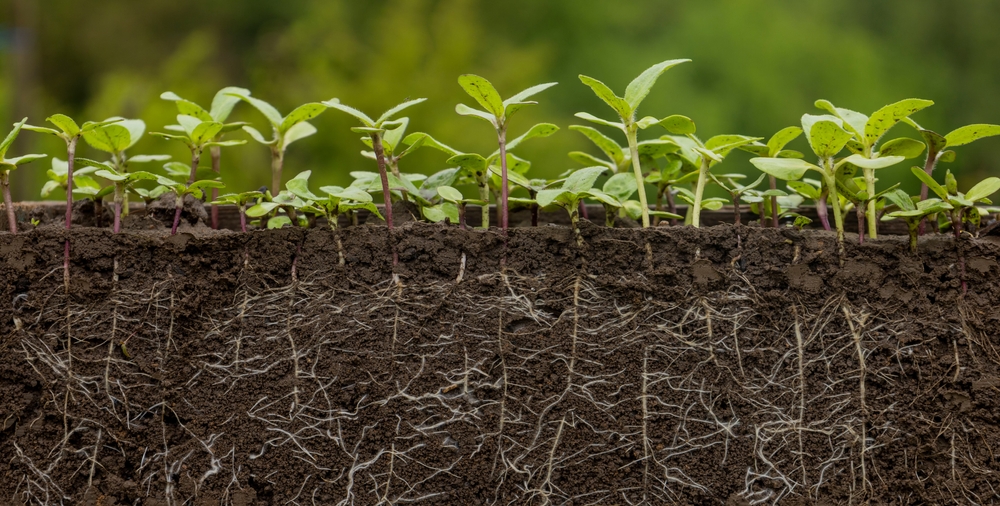
Soil doesn’t just hold plants in place—it breathes life into them. When dirt packs down too tight, roots struggle to spread, water drains poorly, and even the strongest-looking plants start to show stress. Imagine roots like little underground explorers, desperately trying to carve tunnels and find nutrients, but hitting a brick wall at every turn. That’s what compacted soil does: it transforms a garden full of potential into a frustrating, underperforming patch of struggle.
Detecting compacted soil early saves plants from serious stress. The ground may look fine on the surface, but beneath it lies a hidden battle of suffocation and stunted growth. From yellowing leaves to shallow roots, warning signs appear in subtle ways that demand attention.
1. Stunted Growth: When Plants Refuse to Reach for the Sky
Plants can’t grow well if roots can’t move freely. Compacted soil limits root expansion, forcing plants to stay small even in optimal light and water conditions. Seedlings that sprout but never reach their expected height are a prime signal that the ground beneath them resists their growth. Flowers may bloom in reduced numbers, and vegetables might produce undersized fruits despite proper care.
Root restriction also affects nutrient uptake, meaning even well-fertilized soil can’t rescue plants from poor performance. Shallow, cramped roots leave plants more vulnerable to drought since they can’t reach deep water reserves. Correcting compaction through aeration, raised beds, or adding organic matter allows roots to stretch, improving overall vigor. Gardens with previously stunted plants often respond dramatically once soil conditions improve, showing that healthy roots drive above-ground success.
2. Water Pools or Runs Off Too Fast: A Hydration Red Flag
Water behavior often reveals what’s happening beneath the surface. Compacted soil resists absorption, creating puddles that linger long after rainfall or irrigation. Conversely, certain compacted layers can push water to run off quickly, leaving roots parched even when it seems like plenty of water hits the ground. Either way, plants face stress because water cannot penetrate deeply where it’s needed most.
Observing how water interacts with soil can guide interventions. Adding organic matter, aerating, or planting cover crops encourages infiltration and reduces surface crusting. Mulching also stabilizes moisture levels while encouraging microbial life that helps loosen the soil. Gardens that previously suffered from poor water management often see marked improvement when soil structure is restored, and plants respond with lush growth and stronger resilience.
3. Root Circling: When Roots Get Stuck in Loops
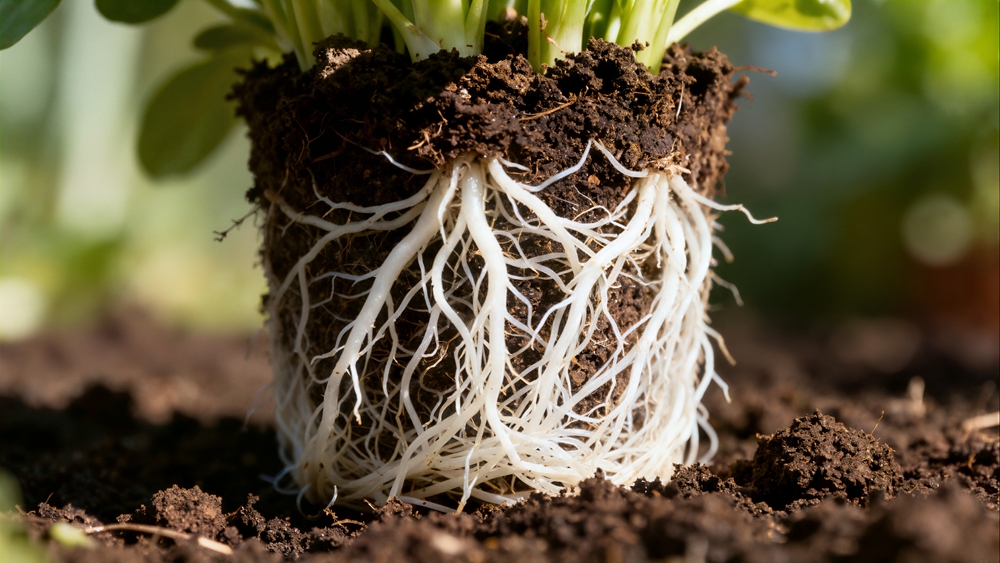
Excavating a plant carefully reveals a lot about soil health. If roots appear tightly wound or circling within the planting area, the soil likely resists expansion. These root loops form because roots hit a dense layer they cannot penetrate. Over time, circling roots strangle themselves, limiting nutrient uptake and making plants more prone to stress and disease.
Regular inspection or transplanting into loosened soil prevents long-term damage. Tools like broadforks or soil aerators break up compacted layers, giving roots room to grow naturally. Adding compost or aged manure improves texture while feeding microbes that further enhance soil structure. When roots have freedom, plants grow deeper, stronger, and more resilient, demonstrating that proper soil consistency is crucial for healthy development.
4. Cracked, Hard Surface: Soil That Looks Tough Enough to Stand On
A simple visual cue tells a lot about compacted soil. If the surface cracks like clay or feels rock-hard under pressure, it’s a sign roots struggle below. Walking across the garden and noticing soil that resists penetration with a trowel confirms the problem. Hard, dry crusts also hinder water absorption and seed germination.
Addressing this requires loosening techniques, such as double digging, aeration, or integrating organic amendments. Adding mulch helps prevent future surface compaction and retains moisture. Even small steps, like avoiding heavy foot traffic and using raised beds for delicate plants, dramatically reduce stress on roots. Healthy soil feels soft, friable, and welcoming to roots, unlike a dense, cracked surface that signals a hidden struggle.
5. Wilting or Yellowing Leaves: The Above-Ground Cry for Help
Roots trapped in compacted soil cannot supply sufficient water and nutrients to shoots and leaves. Wilting in the heat, leaves yellowing despite regular watering, and slowed growth all indicate a root struggle beneath the surface. These symptoms often appear first in hot, dry periods when plants rely on deeper soil layers for water.
Addressing compaction restores the root system’s ability to feed and hydrate above-ground parts. Adding organic matter, aerating the soil, or creating raised beds gives roots breathing room. Once roots expand into looser soil, plants recover with vibrant foliage and increased productivity. Watching these transformations reinforces how vital healthy, loose soil is for plant vitality and resilience.
Giving Roots a Fighting Chance: The Key to Thriving Gardens
Compacted soil does more than inconvenience gardening—it holds back potential. Every stunted stem, wilted leaf, or shallow root signals a soil structure problem that demands action. By recognizing stunted growth, poor water absorption, root circling, hard surfaces, and stressed leaves, gardens gain a roadmap to recovery. Interventions such as aeration, organic amendments, and careful irrigation restore freedom beneath the surface, allowing roots to flourish. Healthy roots lead to vibrant plants, higher yields, and stronger resistance to drought and disease.
Which sign speaks most loudly in a garden? Which technique could transform struggling soil into a thriving environment for roots? Share tips, observations, or stories in the comments below to inspire creative solutions and celebrate successful soil transformations.
You May Also Like…
How to Improve Soil Using Kitchen Waste
Low-Cost Ways to Improve Clay Soil
How to Fix Soil pH Problems Naturally
The Hidden Cost of Buying “Pre-Fertilized” Soil
The $20 Soil Fix That Can Rescue a Struggling Spring Garden

Brandon Marcus is a staff writer for FrugalGardening.com at District Media, Inc., where he delivers practical gardening advice with a relatable, no-nonsense style. An avid amateur gardener, he holds a BA degree and with over ten years of professional writing experience, he is also an award-winning published author whose first book, Questions For Deep Thinkers, was released by Adams Media. His work has appeared in major publications including Fandom.com, CHUD.com, TheColdWire.com, and Fansided.com.
Leave a Reply