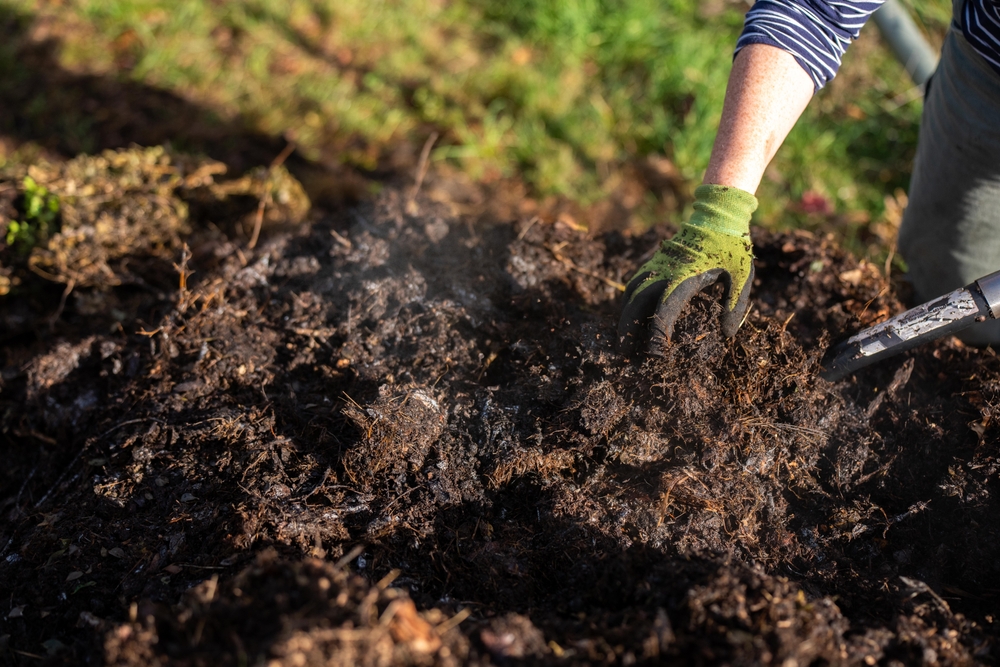
Gardeners love compost for good reason—it turns scraps into rich, black gold that fuels vibrant growth. But here’s the twist: even the best compost can backfire if it goes into the soil at the wrong time. Plants don’t just need nutrients; they need them when they can actually use them.
Miss that window, and growth slows, roots struggle, and yields fall short of expectations. Timing compost correctly transforms it from “nice addition” to powerhouse booster.
Why Compost Timing Matters More Than You Think
Great compost improves soil structure, feeds beneficial microbes, and delivers nutrients plants crave. That sounds simple enough, yet timing changes everything in how those benefits play out. Soil temperature, moisture levels, and plant growth cycles all influence how compost breaks down and releases nutrients. Add compost too early, and nutrients may leach away before roots can grab them. Add it too late, and plants miss critical growth phases where they need energy most.
Compost doesn’t act like instant fertilizer—it works gradually, powered by microbial activity. Those microbes depend on warm, moist conditions to do their job effectively. Early spring applications into cold soil often sit idle, delaying nutrient availability just when seedlings need a boost. Meanwhile, late-season applications may feed soil microbes more than the plants themselves. Smart timing ensures nutrients sync perfectly with plant demand, maximizing every handful of compost.
The Early Application Trap That Starves Your Plants
Spring excitement pushes many gardeners to spread compost as soon as the ground thaws. That enthusiasm can accidentally sabotage plant growth. Cold soil slows microbial activity, which means compost nutrients stay locked up instead of feeding roots. Rain and melting snow can also wash valuable nutrients deeper into the soil, out of reach for young plants. What looks like a generous head start often turns into a missed opportunity.
Plants rely heavily on accessible nitrogen during early growth stages. If compost hasn’t begun breaking down, that nitrogen remains unavailable. Seedlings may show pale leaves or sluggish growth, signaling nutrient deficiency despite rich soil. Waiting until soil warms slightly ensures microbes activate and start releasing nutrients right when plants begin vigorous growth. That small delay often delivers noticeably stronger, healthier plants.
Late Composting Can Miss the Growth Window Completely
On the flip side, adding compost too late in the season brings its own set of problems. By mid to late growing season, many plants have already passed their peak nutrient demand. Dumping compost at that stage feeds soil life more than crops. Plants may not absorb much of those nutrients before harvest or dormancy. That effort still benefits long-term soil health, but it won’t boost immediate yields.
Timing matters especially for fast-growing vegetables like lettuce, spinach, and radishes. These crops complete their life cycle quickly and need nutrients early. Late compost applications won’t catch up to their rapid pace. Even slower crops like tomatoes and peppers benefit most from early-to-mid season feeding. Matching compost timing to plant growth stages ensures every nutrient contributes directly to production, not just soil improvement.
The Sweet Spot: When Compost Works Its Magic
The ideal time to apply compost sits right between too early and too late. Soil should feel workable, slightly warm, and consistently moist. At this stage, microbes wake up and begin breaking down organic matter efficiently. Plants also start entering active growth phases, ready to absorb nutrients as they become available. This alignment creates a perfect nutrient delivery system.
For most gardens, that sweet spot falls a couple of weeks before planting or right at planting time. Mixing compost into the top few inches of soil ensures roots access nutrients quickly. Side-dressing compost around established plants during early growth stages also works beautifully. This method feeds plants without overwhelming them and keeps nutrients close to where roots actively grow. Precision timing turns compost into a targeted, effective tool.

Seasonal Compost Strategies That Deliver Results
Different seasons call for different compost strategies, and smart gardeners adjust accordingly. Spring focuses on feeding plants, while fall focuses on building soil. Applying compost in fall allows it to break down slowly over winter, enriching soil structure and microbial life. By spring, nutrients sit ready and waiting for new growth. This approach eliminates the early-season timing struggle altogether.
Summer composting works best as a light top-dressing during active growth. This keeps soil moist and steadily feeds plants without overwhelming them. Avoid heavy applications during extreme heat, as this can stress plants and disrupt moisture balance. Instead, think of compost as a steady support system rather than a one-time dump. Consistency and timing together create thriving, productive gardens.
Common Compost Timing Mistakes That Slow Everything Down
Several timing mistakes repeatedly trip up even experienced gardeners. Applying compost right before heavy rain can wash nutrients away before plants benefit. Spreading it during drought conditions limits microbial activity, reducing effectiveness. Adding fresh, unfinished compost too close to planting can also tie up nitrogen, leaving plants hungry. Each of these missteps interrupts the delicate balance between soil life and plant needs.
Another common issue involves overcompensating with quantity instead of timing. More compost doesn’t fix poor timing—it often makes problems worse. Thick layers can smother soil and slow oxygen flow, hurting root development. Focusing on when compost goes down matters far more than how much gets used. Precision beats volume every time when it comes to compost success.
Turn Compost Into a Growth Accelerator, Not a Delay
Compost holds incredible power, but timing decides whether that power fuels growth or stalls it. Applying compost when soil conditions and plant needs align unlocks its full potential. This simple adjustment transforms sluggish gardens into thriving, productive spaces. Gardeners who master timing often notice stronger plants, better yields, and healthier soil within a single season. Small changes in timing create big results underground.
So, when does compost usually go into your garden—and could timing be the hidden reason your plants aren’t thriving as much as they should? Share your thoughts below.
You May Also Like…
4 Composting Tricks That Work Better Than Store-Bought Bags
Forget Fancy Fertilizers: The “Compost Tea” Recipe That Costs Zero Dollars
How to Make Compost Tea to Improve Soil Health
5 Warning Signs Your Compost Is Too Wet and Losing Nutrients
8 Winter Compost Additives That Speed Up Breakdown

Brandon Marcus is a staff writer for FrugalGardening.com at District Media, Inc., where he delivers practical gardening advice with a relatable, no-nonsense style. An avid amateur gardener, he holds a BA degree and with over ten years of professional writing experience, he is also an award-winning published author whose first book, Questions For Deep Thinkers, was released by Adams Media. His work has appeared in major publications including Fandom.com, CHUD.com, TheColdWire.com, and Fansided.com.
Leave a Reply