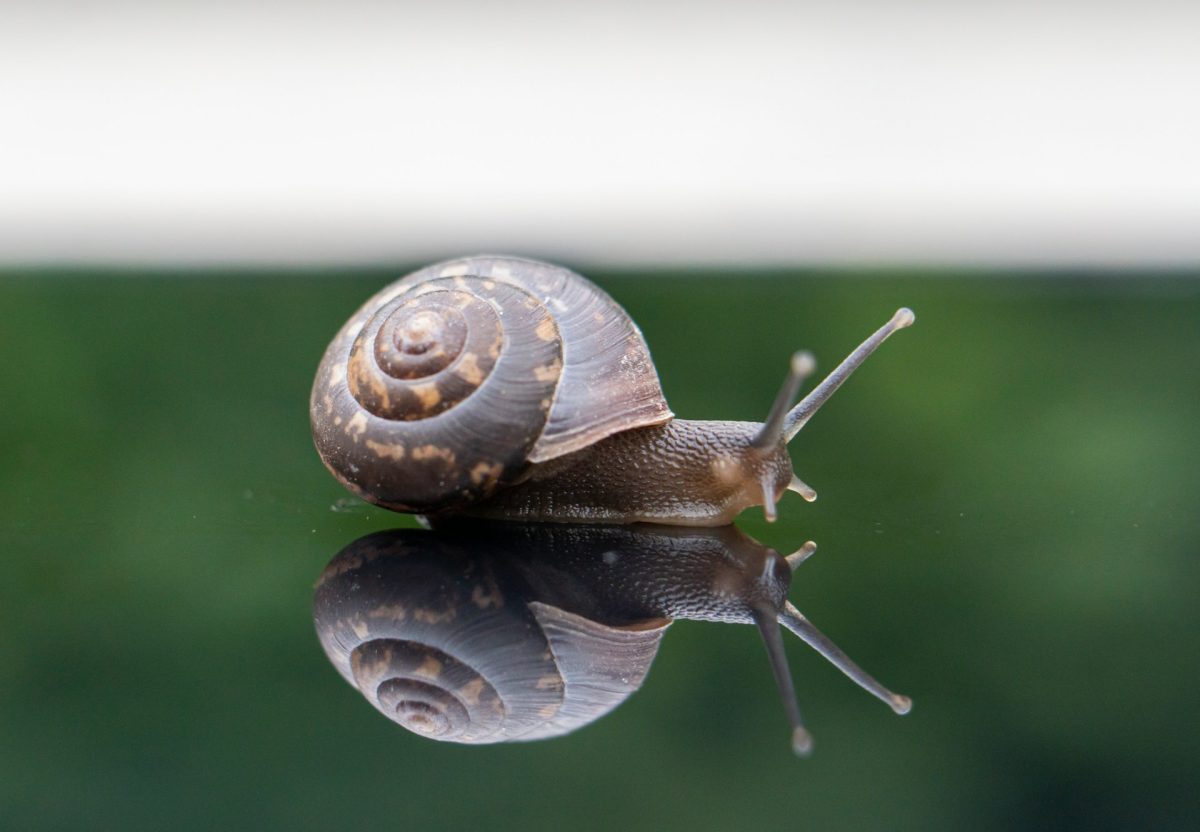
A garden under attack doesn’t need chemicals—it needs strategy. Snails may look slow and harmless, but they can turn lush leaves into lace overnight and leave a trail of frustration behind. The good news? You don’t need harsh pellets or risky poisons to win this battle.
A smarter approach brings balance instead of destruction. With the right natural methods, you can protect your plants, keep pets safe, and still welcome pollinators that help everything thrive. These solutions don’t just push snails away—they make your garden stronger, healthier, and a lot more resilient in the long run.
1. Copper Barriers: The Electric Fence Snails Never Forget
Copper doesn’t just sit there looking pretty—it delivers a mild electrical reaction when a snail touches it, thanks to the interaction with their slime. That tiny shock doesn’t harm them permanently, but it absolutely ruins their plans to cross into your garden beds. Wrapping copper tape around pots, raised beds, or even individual plant containers creates a clear boundary that snails rarely dare to cross. It works day and night, rain or shine, without needing constant attention.
This method shines because it targets snails without affecting anything else in your garden. Bees continue to buzz, pets stay safe, and your plants get uninterrupted protection. For best results, keep the copper clean and free from dirt buildup, since grime can reduce its effectiveness. Think of it as a low-maintenance security system that quietly guards your plants while everything else carries on as usual.
2. Crushed Eggshells: Crunchy Armor for Your Plants
Eggshells don’t just belong in the compost bin—they double as a surprisingly effective barrier. When crushed into small, jagged pieces and scattered around plants, they create a surface that snails hate to crawl over. Their soft bodies simply don’t handle sharp edges well, so they usually turn around instead of pushing forward.
This trick works best when you refresh the shells regularly, especially after heavy rain flattens them out. It also adds a bonus: eggshells break down over time and enrich the soil with calcium, which helps plant growth. That means you’re not just defending your garden—you’re feeding it too. It’s simple, resourceful, and satisfying in a very hands-on way.
3. Beer Traps: The Classic That Still Works
Snails can’t resist the smell of beer, and that weakness becomes your advantage. Burying a shallow container so the rim sits at soil level and filling it with beer creates an irresistible trap. Snails crawl in, drawn by the scent, and can’t escape. It sounds almost too easy, but this method has stuck around for decades because it works.
Placement matters here. Set traps near problem areas, and check them regularly to keep things effective and tidy. If beer feels like a waste, even a simple yeast and sugar mixture in water can mimic the same attraction. This approach reduces snail populations quickly without introducing harmful substances into your garden.
4. Diatomaceous Earth: A Fine Powder with a Powerful Punch
Diatomaceous earth may look soft and harmless, but under a microscope it reveals tiny, sharp particles that damage the outer layer of soft-bodied pests like snails. Sprinkling it around plants creates a barrier that they struggle to cross. Unlike chemical solutions, this powder comes from natural fossilized algae, making it safe when used correctly.
Dry conditions matter for this method. Moisture reduces its effectiveness, so reapply after rain or watering. Keep it away from flowers where pollinators land, since it can affect beneficial insects if they come into direct contact. Used carefully, it offers a strong defense without disrupting the overall ecosystem of your garden.
5. Companion Planting: Nature’s Built-In Defense System
Some plants naturally repel snails, and placing them strategically can protect more vulnerable greenery. Herbs like rosemary, sage, thyme, and lavender carry strong scents and textures that snails tend to avoid. Planting these around the edges of garden beds creates a living barrier that looks beautiful and works hard behind the scenes.
This method adds depth to your garden design while boosting biodiversity. It also attracts pollinators, creating a win-win situation where beneficial insects thrive while snails stay at a distance. Mixing protective plants with delicate ones builds a layered defense system that feels organic rather than forced.
6. Watering Timing: Control the Conditions, Control the Problem
Snails thrive in damp environments, so watering habits play a huge role in how attractive your garden becomes. Watering early in the morning gives soil time to dry out during the day, which makes conditions less inviting for nighttime snail activity. Evening watering, on the other hand, creates the perfect moist environment for them to roam freely.
This small adjustment requires no extra cost, yet it can significantly reduce snail activity. Combine it with good spacing between plants to improve airflow, and suddenly your garden feels less like a snail paradise. Smart timing transforms a basic routine into a powerful preventative tool.
7. Hand Picking: Old-School but Surprisingly Effective
It may not sound glamorous, but heading out in the evening or early morning to remove snails by hand delivers immediate results. Snails stay most active during cooler, damp conditions, which makes those times ideal for spotting them. Wearing gloves and carrying a small container keeps the process simple and efficient.
Consistency makes this method powerful. Regular removal reduces the population quickly and prevents future damage. It also helps you stay in tune with your garden, noticing patterns and problem areas before they spiral out of control. Sometimes the simplest solutions deliver the most direct impact.
8. Mulch Choices Matter More Than You Think
Mulch helps retain moisture and protect soil, but certain types can invite snails if they stay too damp. Switching to coarser materials like bark chips or straw creates a less appealing environment for them to hide and travel through. Fine, dense mulch tends to trap moisture, which snails love.
Choosing the right mulch doesn’t mean giving up its benefits—it means using it strategically. Keep mulch slightly away from plant stems to reduce hiding spots, and avoid overwatering the area. A small change in texture and placement can shift your garden from snail-friendly to snail-resistant without losing that polished, healthy look.
9. Create a Wildlife-Friendly Patrol Team
Nature already provides snail control—you just need to welcome the right allies. Birds, frogs, toads, and certain beetles feed on snails and help keep their numbers in check. Adding a small water feature, leaving a bit of natural shelter, or installing a bird feeder can attract these helpful visitors.
Encouraging biodiversity strengthens your garden’s defenses naturally. Instead of fighting against nature, you work alongside it. This approach reduces reliance on interventions and builds a balanced ecosystem where no single pest dominates. It’s a long-term strategy that keeps your garden lively and self-sustaining.
A Garden That Fights Back the Smart Way
Snails don’t need to win, and your garden doesn’t need harsh chemicals to stand its ground. Every one of these methods builds a layered defense that protects plants while keeping pets and pollinators safe. The real magic happens when you combine a few of these strategies and stay consistent with them over time.
Which of these ideas feels like the easiest win to start with? Or maybe there’s a tried-and-true trick that deserves more attention? Share your thoughts, strategies, or garden victories in the comments and keep the ideas growing.
You May Also Like…
Why Slugs and Snails Thrive After Spring Rain
Why Slugs Are Thriving in Oregon Right Now (And What You Can Do)
How to Turn Household Waste Into Garden Fertilizer
March Garden Pests That Hide Underground
12 Of The Worst Garden Pests And How To Get Rid Of Them

Brandon Marcus is a staff writer for FrugalGardening.com at District Media, Inc., where he delivers practical gardening advice with a relatable, no-nonsense style. An avid amateur gardener, he holds a BA degree and with over ten years of professional writing experience, he is also an award-winning published author whose first book, Questions For Deep Thinkers, was released by Adams Media. His work has appeared in major publications including Fandom.com, CHUD.com, TheColdWire.com, and Fansided.com.
Leave a Reply