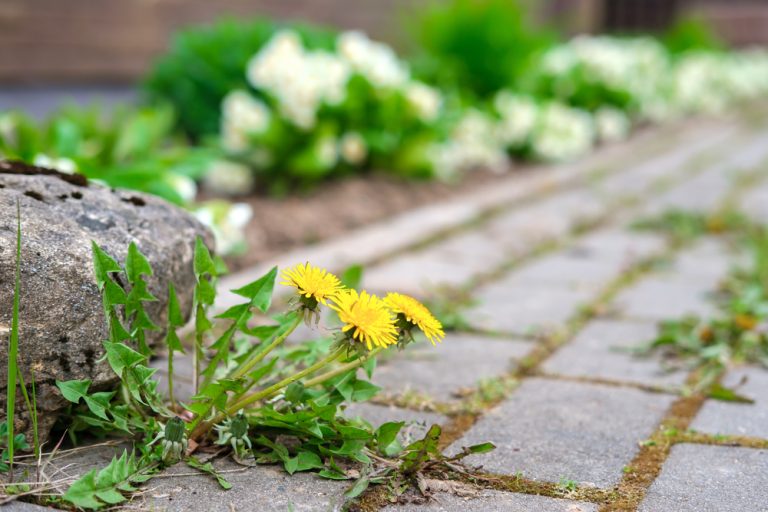
Weeds do not just appear out of nowhere; they build a long-term presence through a hidden underground reserve called the weed seed bank. Every time a weed drops seeds, it adds thousands of future invaders waiting for the right moisture, light, and temperature to explode into growth. Garden beds that look clean today often carry…
organic gardening
7 Spring Soil Picks That Thrive Early
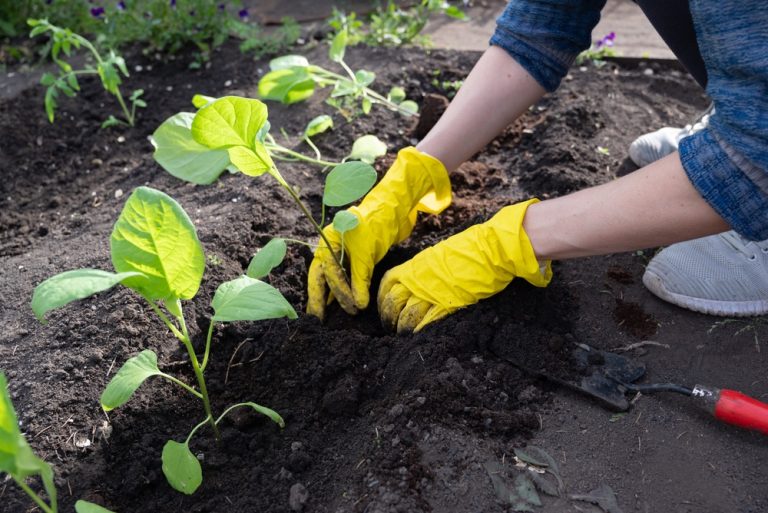
Spring gardens explode with energy when soil conditions hit the sweet spot. Early growth depends less on luck and more on what sits beneath the surface. Gardeners who choose the right soil blends set the stage for stronger roots, faster sprouting, and healthier harvests. A smart soil choice also reduces pests, improves water retention, and…
5 Soil Improvement Methods That Increase Yield
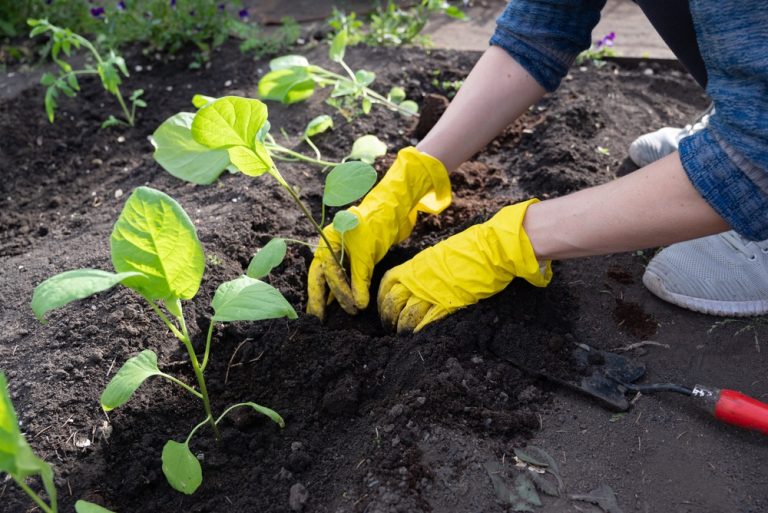
Gardens don’t fail because of bad seeds nearly as often as they fail because of tired, depleted soil. Soil acts like the engine of every garden, and when it runs low on nutrients, plants struggle to perform. Smart gardeners know that improving soil quality creates stronger roots, healthier plants, and noticeably bigger harvests. Every shovel…
Why Nutrient Timing Impacts Growth More Than Quantity
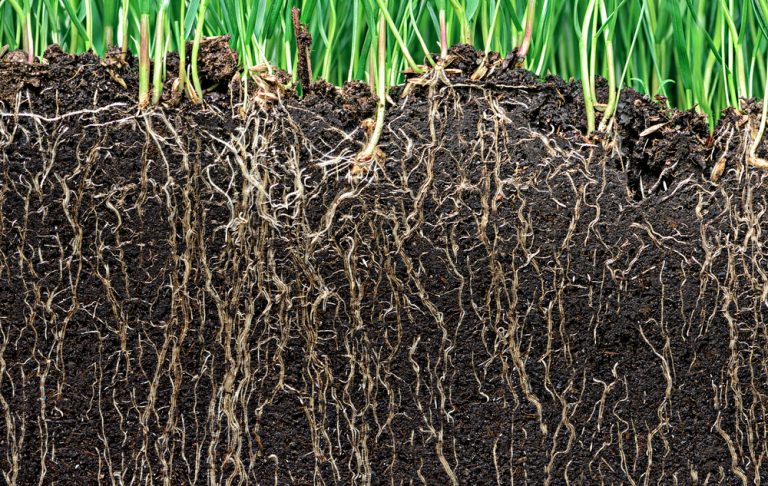
Gardeners often pour energy into choosing the richest fertilizer blends, yet plants do not respond to nutrients on a simple “more equals better” scale. Timing often controls how effectively roots absorb what soil offers, and that timing can make or break a growing season. A tomato plant can receive a perfect fertilizer mix and still…
5 Health-Boosting Soil Practices That Work Quickly
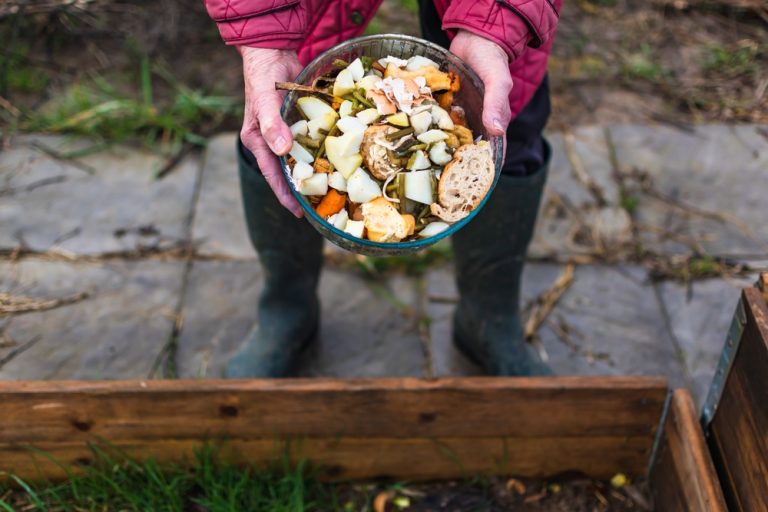
Healthy soil never just “happens” by accident, and every thriving garden starts with intentional care below the surface. Strong soil feeds strong plants, and strong plants resist pests, drought, and disease far more effectively. Gardeners who focus on soil improvement often notice faster growth, richer color, and more consistent harvests within a single season. Small…
The Soil Quality Issue That Limits Production
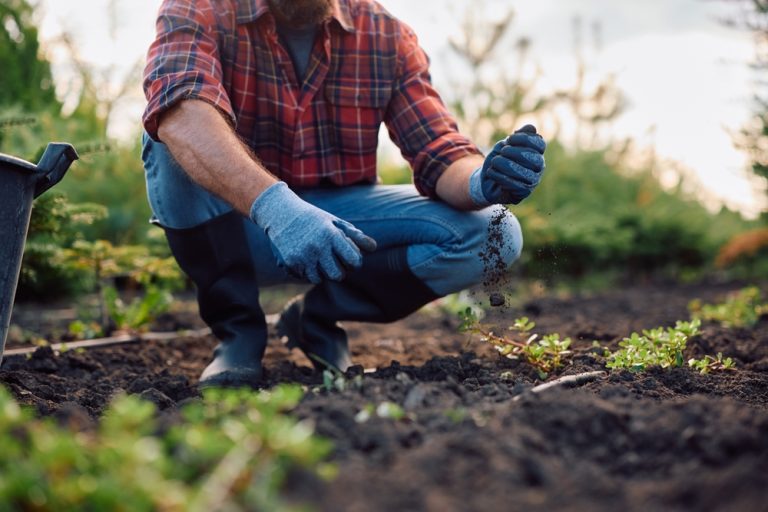
Soil often decides how productive any garden becomes long before seeds even touch the ground. A bed can look dark, rich, and full of promise while quietly blocking roots and starving plants of essential resources. Many growing problems trace back to what happens below the surface rather than what happens above it. Strong harvests depend…
5 Soil Health Improvements That Deliver Quick Results
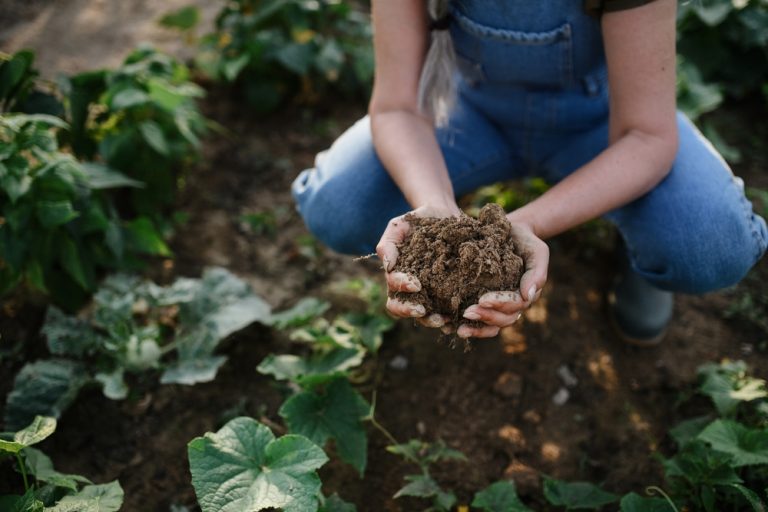
Healthy soil acts like a power source for every thriving garden, and small changes can trigger surprisingly fast improvements. Gardeners often focus on plants while the real transformation starts underground where roots interact with nutrients, microbes, and moisture. When soil structure improves, plants respond with stronger stems, richer color, and faster growth almost immediately. The…
Why Mulch Is Essential for Retaining Soil Moisture
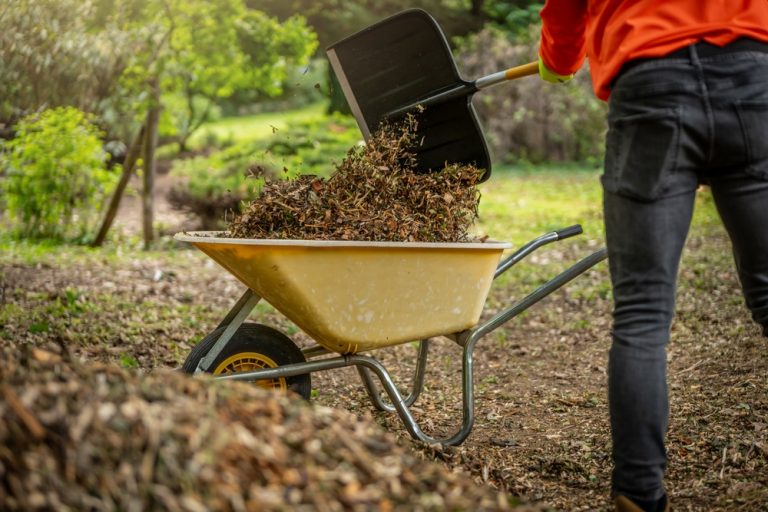
Summer heat can turn a thriving garden into a crispy disaster faster than a forgotten burger on a backyard grill. One blazing afternoon without protection often leaves flower beds dry, vegetables droopy, and soil cracked like an old country road. Gardeners across America spend billions of gallons of water every year trying to fight that…
The Fertilizer Burn Risk for Newly Planted Crops
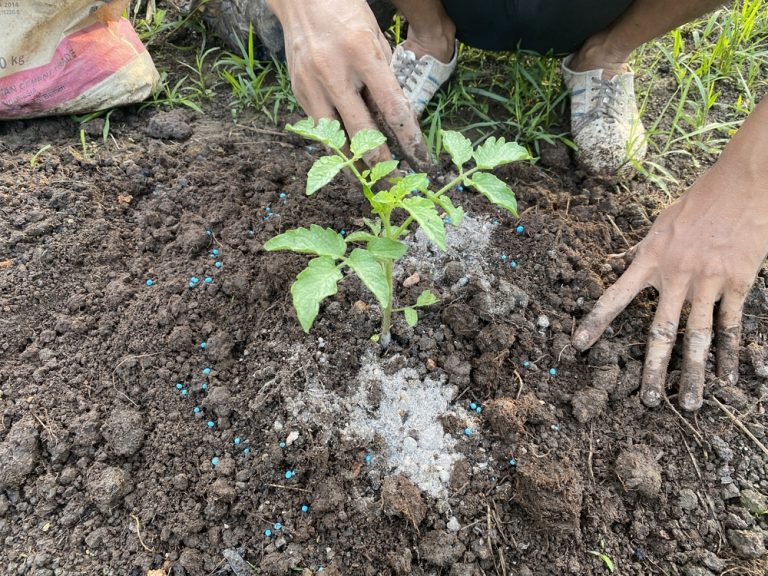
Freshly planted crops bring big dreams to the garden. Tomato vines promise juicy summer sandwiches, rows of lettuce hint at crisp salads, and pepper plants practically beg for backyard tacos. Then one heavy-handed fertilizer application sneaks in and turns those hopeful green starts into crispy, wilted heartbreak almost overnight. Fertilizer burn ranks among the fastest…
5 Disease Prevention Tips That Actually Work
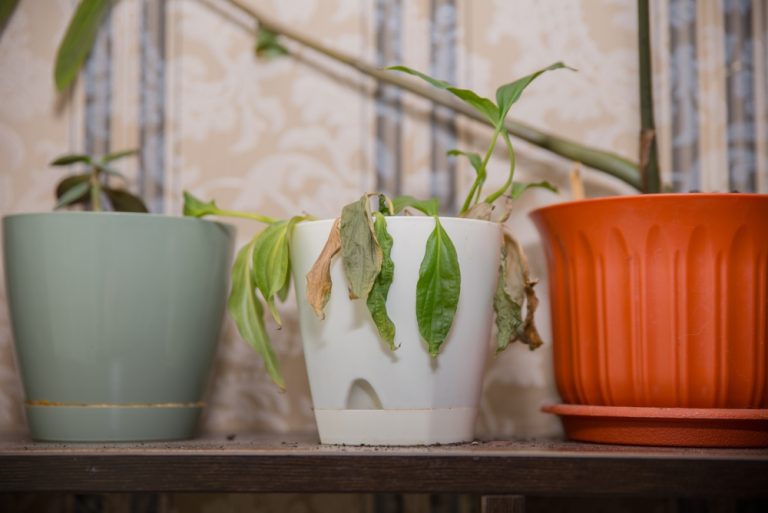
Gardening brings joy, fresh food, and a surprising amount of drama when diseases sneak into the picture. One week the tomatoes look perfect, and the next week, strange spots, wilting leaves, or powdery coatings start spreading like wildfire. Many gardeners lose plants not because they lack effort, but because they miss simple prevention habits that…