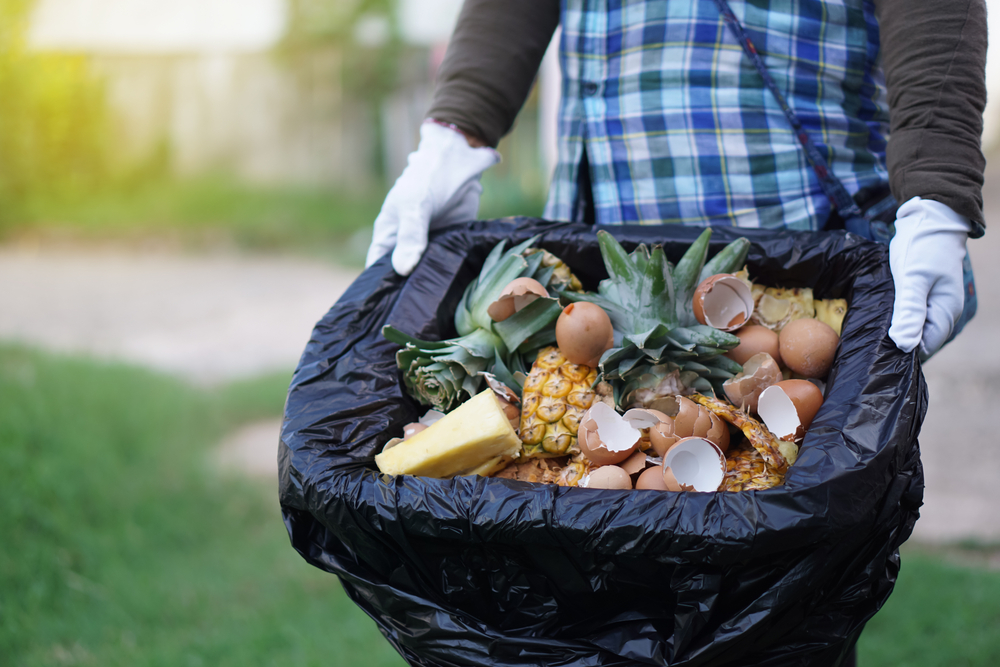
Healthy soil builds the foundation of every thriving garden, yet most households toss away powerful soil boosters every single day. Banana peels, coffee grounds, eggshells, vegetable scraps, and even stale bread often land in the trash without a second thought. Meanwhile, gardeners search store shelves for fertilizers and soil additives that promise bigger tomatoes, brighter flowers, and stronger plants. That mismatch creates a strange situation where valuable organic material disappears into garbage bins while gardens struggle to get the nutrients they crave.
Kitchen waste holds an impressive mix of minerals, organic matter, and microbial fuel that can dramatically improve soil quality. Plants need nitrogen, phosphorus, potassium, calcium, and a long list of trace nutrients, and many everyday scraps contain those exact ingredients. Smart gardeners transform kitchen leftovers into soil-building gold, and they do it with simple habits that require almost no fancy equipment.
The Trash Can Is Hiding a Garden Treasure Chest
Kitchen waste carries far more value than most people realize. Fruit peels, vegetable trimmings, and coffee grounds contain nutrients that plants actively consume during growth. When organic matter breaks down, soil organisms transform those scraps into forms plants can absorb through their roots. Earthworms, bacteria, and fungi jump into action and begin the natural recycling process that keeps ecosystems alive.
Garden soil thrives on organic matter. Rich soil holds water better, drains excess moisture more efficiently, and creates a loose structure that allows plant roots to stretch and breathe. Kitchen scraps feed the microscopic workforce that builds that structure. Those organisms digest the waste and release nutrients in a slow, steady stream that plants love.
Composting offers the most well-known method for turning kitchen scraps into soil fuel. Organizations like the US Environmental Protection Agency actively encourage composting because food waste makes up a significant portion of household garbage. Composting keeps that material out of landfills while creating a nutrient-rich soil amendment known as compost. Gardeners mix compost into soil, spread it across garden beds, or use it to boost potted plants.
The process requires patience but rewards gardeners with some of the best soil improvement available. Compost contains beneficial microbes, improves soil texture, and helps plants absorb nutrients more efficiently. A simple backyard compost bin can turn vegetable peels and coffee grounds into dark, crumbly compost within a few months. Even apartment dwellers can experiment with compact compost systems designed for small spaces.
Banana Peels, Coffee Grounds, and Eggshells: The Kitchen Scrap All-Stars
Some kitchen scraps deserve superstar status in the gardening world. Banana peels bring potassium and small amounts of phosphorus, two nutrients that support flower and fruit production. Gardeners often chop banana peels into small pieces and bury them directly near plants or toss them into compost piles. As the peels break down, the soil gradually receives those nutrients.
Coffee grounds pack another powerful punch for soil improvement. Used coffee grounds contain nitrogen, which supports leafy plant growth. Gardeners sprinkle grounds directly into soil or add them to compost piles where microbes eagerly break them down. Experts frequently highlight coffee grounds as a helpful soil amendment when used in moderate amounts.
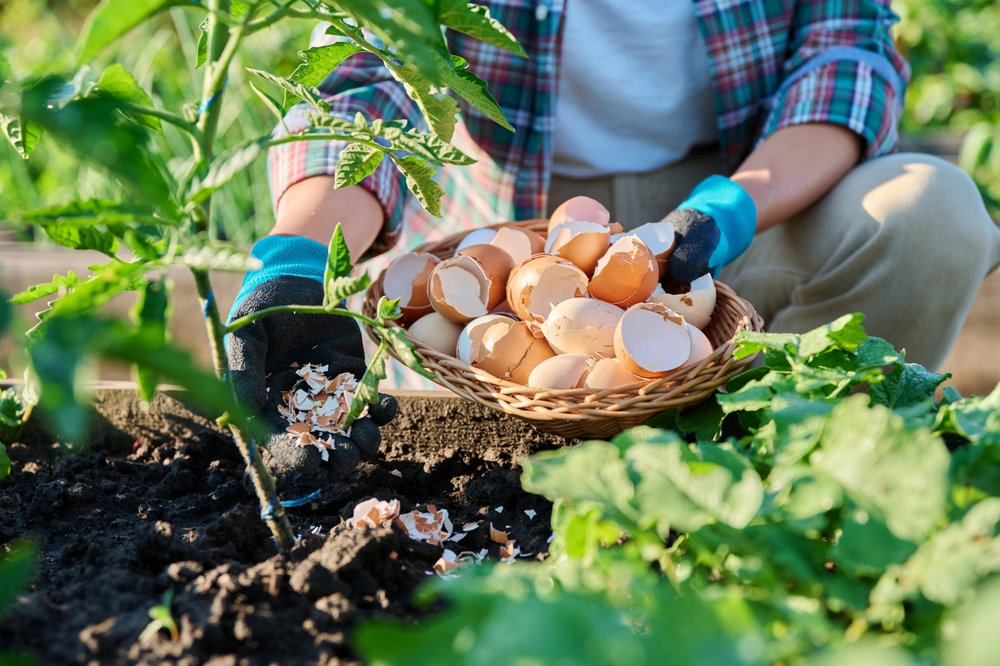
Eggshells bring calcium into the mix. Plants rely on calcium for strong cell walls, and certain crops like tomatoes benefit greatly from a steady supply. Gardeners rinse eggshells, crush them into small fragments, and mix them into soil or compost. Those shells break down slowly, releasing calcium over time while also improving soil texture.
Each of these scraps contributes something slightly different, which makes variety incredibly valuable. A mix of scraps creates a balanced nutrient profile that supports healthy soil life. Instead of chasing expensive fertilizers, gardeners can build a nutrient buffet using scraps that would otherwise disappear into the trash.
Direct-to-Garden Tricks That Work Shockingly Well
Not every scrap needs a long compost journey. Some kitchen waste works perfectly when added directly to garden beds with a little care and planning. Vegetable scraps like carrot tops, lettuce leaves, and potato peels can break down quickly when buried beneath the soil surface. Burying scraps about six to eight inches deep encourages soil microbes to start their work immediately. The soil environment stays moist, dark, and full of microbial life, which speeds up decomposition. Gardeners should always chop scraps into smaller pieces before burying them because smaller pieces break down faster and avoid attracting pests.
This technique works especially well during fall or early spring when garden beds sit empty. Kitchen scraps buried during these seasons decompose over several weeks and enrich the soil before planting begins. The method mimics natural forest ecosystems where fallen leaves and organic debris slowly enrich the ground.
Gardeners should avoid adding meat, dairy, or oily foods directly to soil because those materials attract animals and break down differently than plant scraps. Fruit and vegetable waste, on the other hand, blends beautifully with garden soil. That simple habit turns routine food preparation into a soil-building routine.
The Magic of Compost: Nature’s Recycling System
Composting deserves its reputation as the ultimate kitchen-waste strategy. A well-balanced compost pile creates the perfect environment for microorganisms that break down organic matter. Those microorganisms convert scraps, yard waste, and paper products into a dark, nutrient-rich material that gardeners prize. Successful compost piles rely on balance. Green materials such as fruit scraps, vegetable waste, and coffee grounds provide nitrogen. Brown materials like dried leaves, cardboard, and paper provide carbon. The combination fuels microbial activity that generates heat and speeds up decomposition.
Turning the compost pile every week or two introduces oxygen, which supports aerobic microbes that break down organic matter efficiently. Moisture also plays an important role because microbes thrive in damp conditions. Gardeners often compare the ideal compost moisture level to a wrung-out sponge that feels damp but not dripping.
Finished compost transforms garden soil in remarkable ways. The material improves soil structure, boosts microbial life, and provides slow-release nutrients that support plant growth. Many gardeners consider compost the single most valuable soil amendment available, and kitchen scraps provide the raw ingredients needed to create it.
Small Kitchen Habits That Create Big Garden Results
Improving soil with kitchen waste does not require complicated routines or expensive tools. A small countertop container for scraps often marks the first step. Vegetable peels, fruit cores, eggshells, and coffee grounds can collect in that container throughout the day before heading to a compost pile or garden bed. Consistency plays a huge role in success. A steady flow of organic scraps gradually builds soil health over time. Gardeners who add compost regularly notice better moisture retention, stronger plant growth, and richer soil texture within a few growing seasons.
Mulching with compost also amplifies the benefits. A layer of compost spread across garden beds protects soil from erosion, helps retain moisture, and feeds soil organisms that continue the decomposition cycle. Plants thrive in that living soil environment because roots receive nutrients gradually rather than in sudden bursts.
Kitchen waste also supports sustainable living. Food scraps that nourish soil never reach landfills where they produce methane during decomposition. Environmental groups such as Natural Resources Defense Council frequently highlight composting as a practical way to reduce household waste while supporting healthier ecosystems.
The Secret Ingredient Every Garden Already Has
Gardens flourish when soil teems with life, nutrients, and organic matter. Kitchen scraps deliver all three without draining a wallet or requiring complicated equipment. Banana peels, coffee grounds, eggshells, and vegetable trimmings quietly contain the building blocks of fertile soil. When those scraps move from the kitchen to the garden instead of the garbage bin, soil transforms into a richer and more productive environment for plants.
The most exciting part of this approach lies in its simplicity. Every meal creates new opportunities to feed the soil. A handful of scraps today can become stronger plants tomorrow, and those plants eventually produce food that starts the cycle again. That rhythm turns everyday kitchen habits into a powerful gardening strategy.
What creative ways have you used kitchen scraps in the garden, or what ideas sound most exciting to try first? Give us your strategies, experiments, and surprising results in the comments.
You May Also Like…
8 Plants That Grow Well From Grocery Store Scraps
12 Zero‑Waste Gardening Ideas That Turn Scraps Into Something Useful
6 Kitchen Scraps That Enrich Soil Best in Autumn
12 Ways to Use Pumpkin Scraps in the Garden
How to Create an Endless Food Supply from Your Kitchen Waste

Brandon Marcus is a staff writer for FrugalGardening.com at District Media, Inc., where he delivers practical gardening advice with a relatable, no-nonsense style. An avid amateur gardener, he holds a BA degree and with over ten years of professional writing experience, he is also an award-winning published author whose first book, Questions For Deep Thinkers, was released by Adams Media. His work has appeared in major publications including Fandom.com, CHUD.com, TheColdWire.com, and Fansided.com.
Leave a Reply