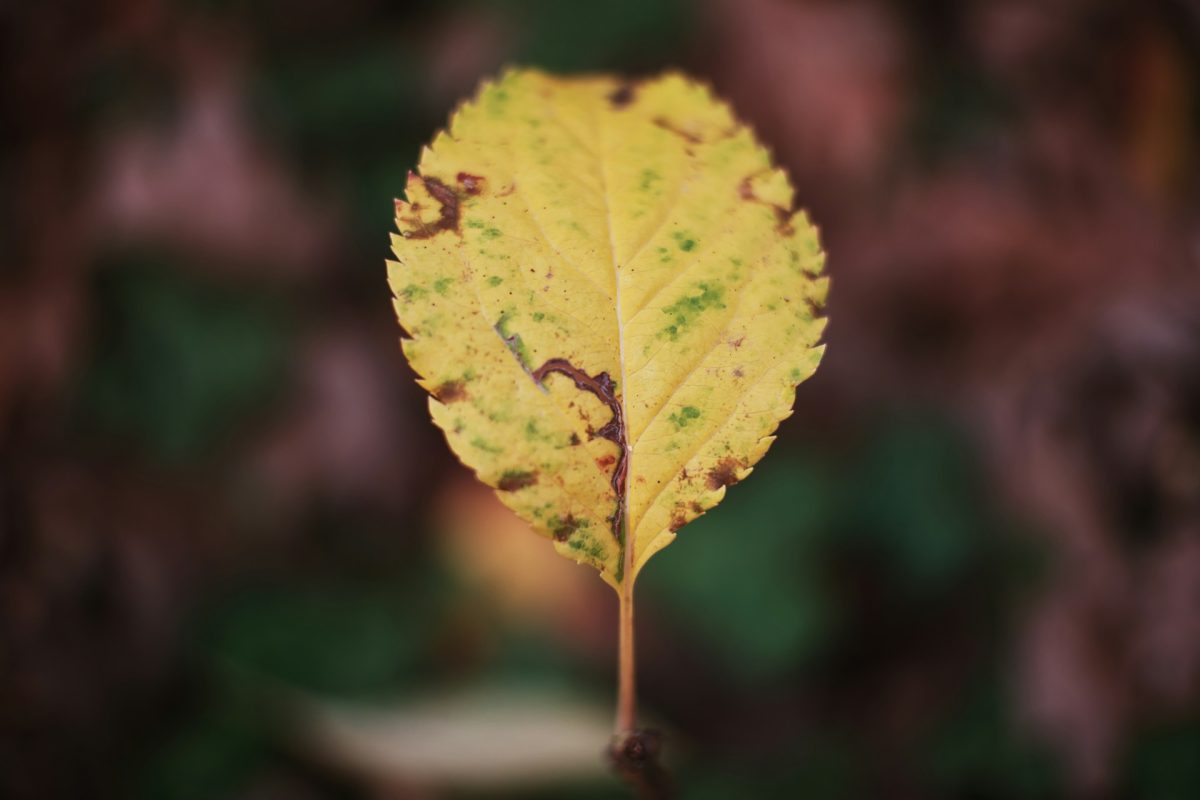
A thriving plant should look lush, vibrant, and unapologetically green—so when leaves start turning yellow, it feels like a betrayal. Everything seems correct: watering stays consistent, sunlight hits just right, and the plant even sits in premium soil. Yet those yellow leaves creep in anyway, quietly suggesting something has gone sideways.
This frustrating mystery trips up beginners and seasoned gardeners alike, and it often leads to overcorrecting problems that don’t actually exist. The good news lies in the fact that yellowing leaves rarely happen at random, and each cause leaves clues that point toward a fix.
Overwatering Doesn’t Always Look Obvious at First
Overwatering often disguises itself as good care because consistent watering feels responsible and attentive. Soil can appear dry on the surface while remaining soggy underneath, quietly suffocating roots. Roots need oxygen just as much as moisture, and excess water pushes that oxygen out, leading to stress that shows up as yellow leaves. Many plants respond slowly, which tricks gardeners into thinking watering habits work perfectly until symptoms suddenly appear. Even pots with drainage holes can struggle if soil compacts or trays collect standing water.
Watering schedules often cause more harm than watering instincts, especially when they ignore seasonal changes. Plants drink less during cooler months or when growth slows, so the same routine creates buildup over time. A plant sitting in low light also uses water more slowly, which compounds the issue. Switching to a “check before watering” approach solves this problem quickly and prevents repeat issues. Healthy roots stay firm and white, so checking root condition can confirm whether water caused the trouble.
Nutrient Deficiencies Sneak In Quietly
Yellow leaves often signal that a plant lacks key nutrients, even when it receives regular care. Nitrogen deficiency usually causes older leaves to yellow first, while iron deficiency targets newer growth with pale or almost white leaves. Fertilizer routines sometimes miss the mark because not all products deliver balanced nutrition. Soil gradually loses nutrients as plants absorb them, especially in containers where replenishment doesn’t happen naturally. Even high-quality potting mixes lose their effectiveness after several months.
Adding fertilizer sounds simple, but timing and type matter more than quantity. Overfeeding can burn roots and create new problems, which makes careful application essential. Slow-release fertilizers offer a steady supply, while liquid fertilizers provide a quick boost during active growth. Observing which leaves yellow helps pinpoint the missing nutrient and avoids guesswork. Consistent feeding during growing seasons keeps plants vibrant and prevents deficiencies from returning.
Light Conditions Might Not Be as Perfect as They Seem
Light plays a huge role in leaf color, and small mismatches create noticeable changes over time. Too little light reduces photosynthesis, causing leaves to fade and eventually yellow before dropping. Too much direct sunlight can scorch leaves, leading to yellow patches that turn brown and crispy. Window direction, seasonal shifts, and nearby obstructions all influence how much light a plant actually receives. A spot that worked perfectly in spring may become too harsh or too dim later in the year.
Plants communicate their light preferences clearly through their leaves and growth patterns. Leggy growth combined with yellowing often points to insufficient light, while bleached or scorched spots suggest too much intensity. Moving a plant just a few feet can dramatically improve its condition. Rotating plants regularly also ensures even exposure and prevents one-sided stress. Matching plants to their ideal light conditions eliminates one of the most common causes of yellow leaves.
Temperature and Draft Stress Can Trigger Yellowing
Temperature swings and drafts stress plants more than most people realize, even when everything else looks perfect. Sudden changes from heating vents, air conditioners, or open windows can shock a plant’s system. Tropical plants especially dislike cold drafts and may respond with yellow leaves almost immediately. Consistent temperatures create stability, while fluctuating conditions force plants into survival mode. Even a brief exposure to cold air can trigger lasting damage.
Indoor environments often create hidden stress points that go unnoticed during daily routines. A plant near a door may experience repeated bursts of cold air, while one near a vent faces constant dry heat. Relocating plants away from these stress zones improves their resilience and overall health. Monitoring room temperature helps maintain a stable environment that supports growth. Small adjustments in placement often reverse yellowing without any additional intervention.
Natural Aging Still Plays a Role
Not every yellow leaf signals a problem, and sometimes the explanation feels surprisingly simple. Plants naturally shed older leaves as they focus energy on new growth, especially during active growing seasons. These leaves usually sit at the bottom and yellow gradually before dropping off. This process keeps plants efficient and healthy, even though it may look concerning at first glance. Recognizing this pattern prevents unnecessary changes to care routines.
Pruning yellow leaves encourages plants to redirect energy where it matters most. Clean cuts also reduce the risk of pests and disease, which can take advantage of weakened foliage. Observing the overall plant health provides context for whether yellowing indicates a problem or normal aging. A plant with strong new growth and only a few yellow leaves likely functions perfectly. Accepting this natural cycle removes a lot of stress from plant care.
Keeping Leaves Green and Happy
Yellow leaves rarely mean failure, even though they often feel like it in the moment. Plants operate as dynamic systems that respond to subtle environmental shifts, and even small changes can show up visually. Paying attention to patterns—such as which leaves yellow first or how quickly changes occur—provides valuable clues. Adjustments should happen gradually rather than all at once to avoid compounding stress. Consistency paired with observation creates the best results over time.
What clues have appeared in your recent plant struggles, and what changes might finally turn things around for you and your plants? Let’s hear about it below in our comments section.
You May Also Like…
5 Plants That Multiply So Fast You’ll Never Need to Buy Them Again
Why You Should Stop Raking Your Leaves (And Save $100 on Fertilizer)
The Hidden Causes of Curling Leaves and How to Stop Them
How Leaf Litter Can Improve Soil Health and Reduce Fertilizer Costs
6 Leaf Mold Hacks for Healthier Soil

Brandon Marcus is a staff writer for FrugalGardening.com at District Media, Inc., where he delivers practical gardening advice with a relatable, no-nonsense style. An avid amateur gardener, he holds a BA degree and with over ten years of professional writing experience, he is also an award-winning published author whose first book, Questions For Deep Thinkers, was released by Adams Media. His work has appeared in major publications including Fandom.com, CHUD.com, TheColdWire.com, and Fansided.com.
Leave a Reply